


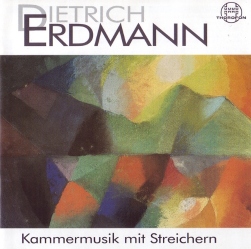
Dietrich Erdmann
Released Album
Chamber
-
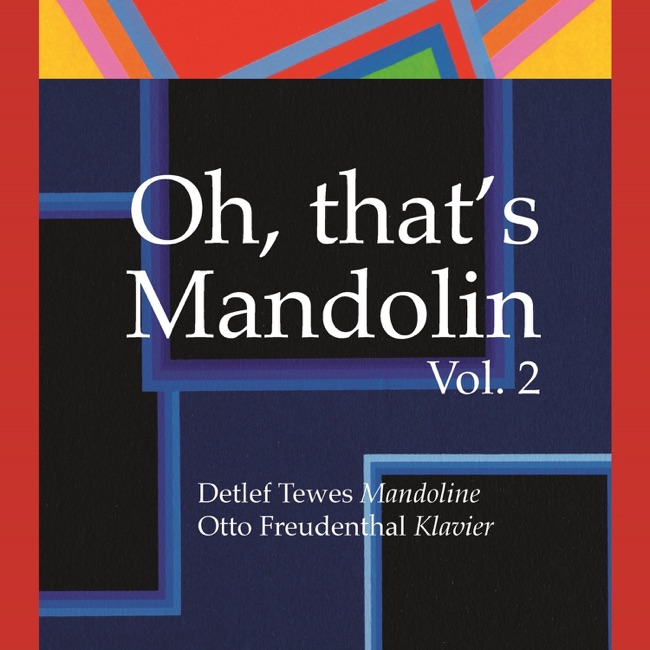 May 18, 2019
 -
 October 2, 2015
 -
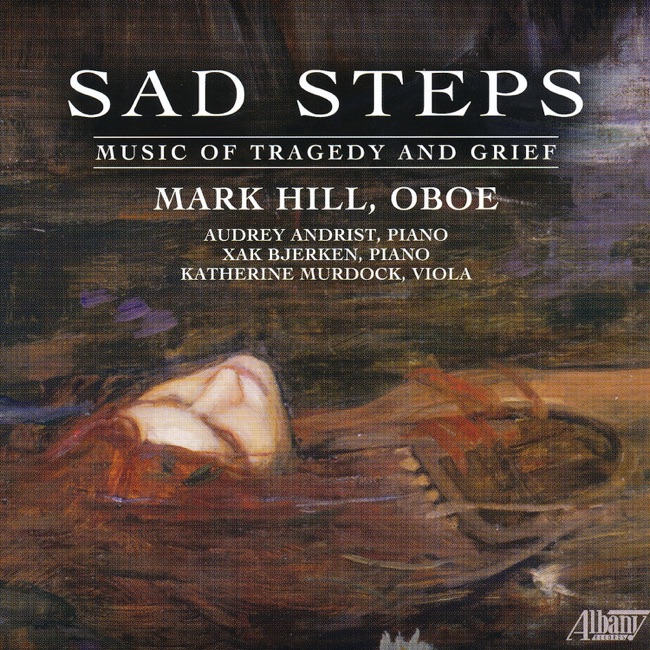 April 6, 2015
 -
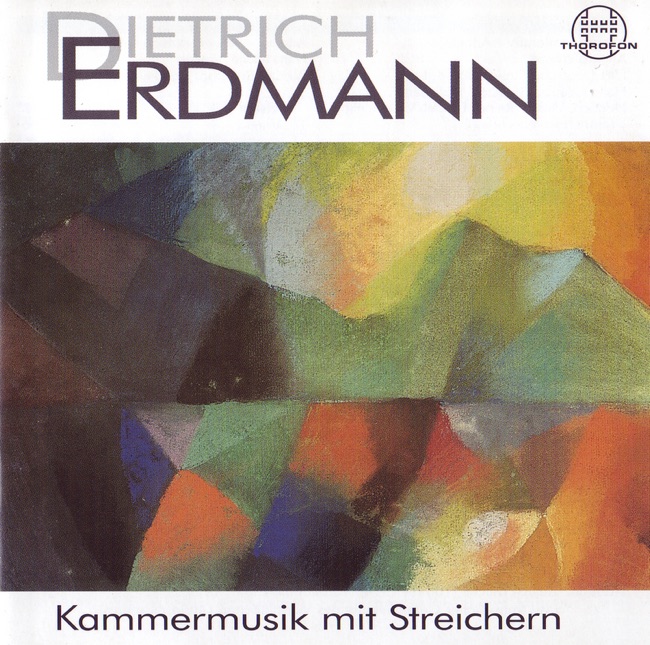 November 25, 2008
 -
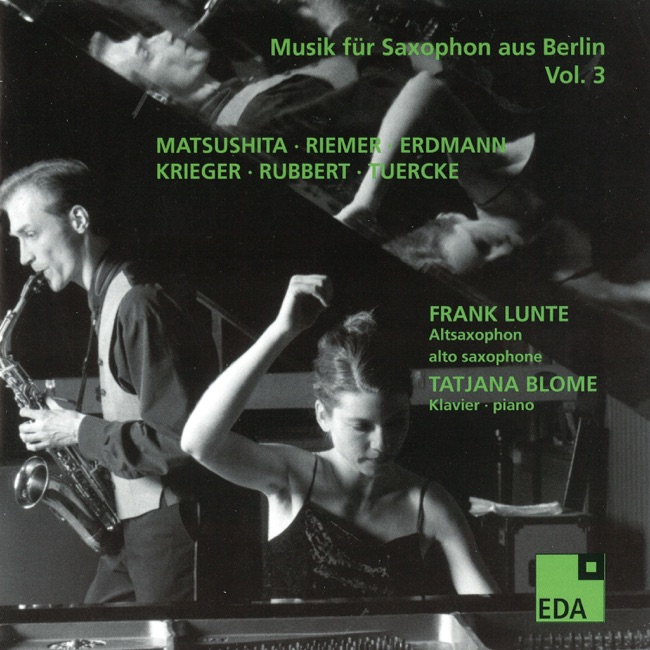 September, 2005
 -
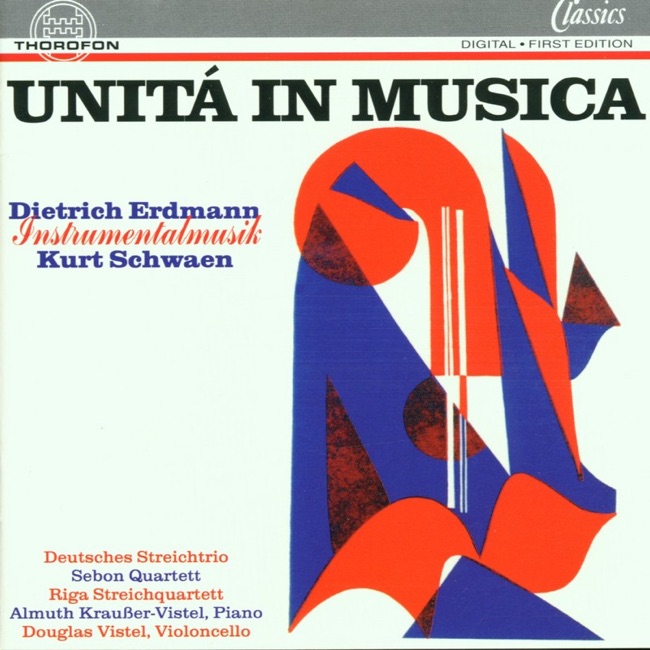
Artist Info
Role:Composer ConductorCountry: GermanyBirth:July 20, 1917Death:April 22, 2009Period:ContemporaryModernGenre:ChamberConcertoOrchestralDietrich Erdmann was a German composer who lived from 1907 to 1942. He was born in Berlin, Germany, and showed an early interest in music. His parents were both musicians, and they encouraged him to pursue his passion for music. Erdmann began his musical education at the age of six, when he started taking piano lessons. He showed great talent and quickly progressed, eventually studying with some of the best teachers in Berlin. He also began composing at a young age, and his first works were performed when he was just 14 years old. In 1925, Erdmann enrolled at the Berlin University of the Arts, where he studied composition with Franz Schreker. Schreker was a highly respected composer and teacher, and he had a profound influence on Erdmann's musical style. Erdmann also studied with other notable composers, including Paul Hindemith and Arnold Schoenberg. Erdmann's early works were heavily influenced by the music of the Second Viennese School, particularly the works of Schoenberg. However, he soon began to develop his own unique style, which combined elements of atonality with more traditional tonal structures. His music was characterized by its complex harmonies, intricate rhythms, and expressive melodies. One of Erdmann's most important works is his Symphony No. 1, which he composed in 1931. The symphony is a large-scale work that showcases Erdmann's mastery of orchestration and his ability to create complex musical structures. The work is divided into four movements, each of which explores different musical themes and ideas. Another important work by Erdmann is his String Quartet No. 1, which he composed in 1933. The quartet is a highly expressive work that showcases Erdmann's ability to create rich, complex textures with just four instruments. The work is characterized by its use of dissonance and its exploration of different tonalities. Erdmann's music was highly regarded by his contemporaries, and he was considered one of the most promising young composers of his generation. However, his career was cut short by the outbreak of World War II. Erdmann was drafted into the German army in 1941, and he was killed in action the following year. Despite his short career, Erdmann left behind a significant body of work that continues to be performed and studied today. His music is characterized by its emotional intensity, its complex harmonies, and its innovative use of tonality. He remains an important figure in the history of 20th-century music, and his contributions to the development of modern classical music continue to be recognized and celebrated.More....
Recent Artist Music
1
3:1

Copyright Ⓒ 2013 Davinci Finger. All rights reseved
Service Terms & Policy