


Klaus Ospald
Released Album
Chamber
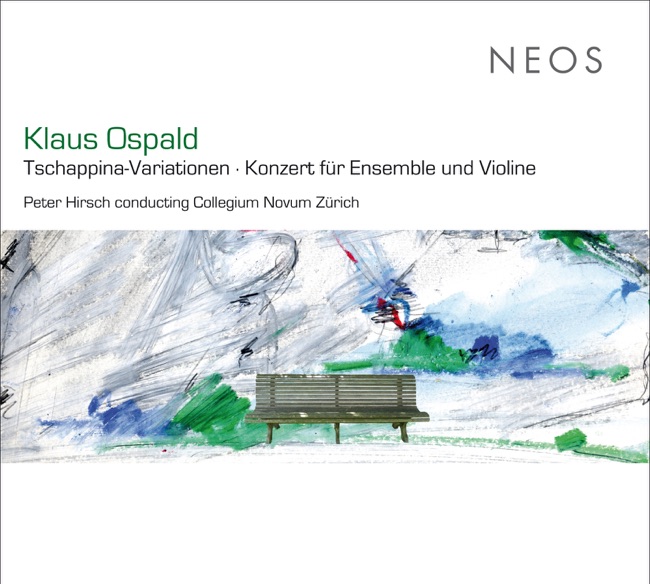
Orchestral
-
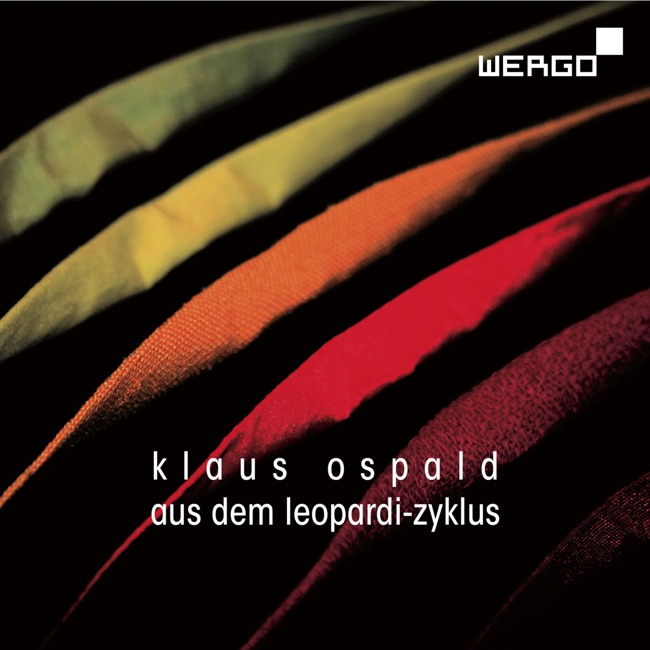 October 9, 2015
Artist Info
Role:ComposerBirth:1956Klaus Ospald was a German composer of classical music who was born on January 12, 1956, in Munich, Germany. He was the youngest of three children and grew up in a family that was passionate about music. His father was a pianist, and his mother was a singer, so it was no surprise that Klaus showed an interest in music from a young age. Klaus began his musical education at the age of six when he started taking piano lessons. He quickly showed a talent for the instrument and began composing his own music at the age of ten. He continued to study piano throughout his childhood and adolescence, and by the time he was a teenager, he had already composed several pieces for piano. After finishing high school, Klaus decided to pursue a career in music and enrolled at the Hochschule für Musik und Theater München, where he studied composition under the guidance of renowned composer Wilhelm Killmayer. During his time at the conservatory, Klaus honed his skills as a composer and began to develop his own unique style. Klaus's early works were heavily influenced by the music of the Romantic era, particularly the works of composers such as Brahms and Schumann. However, as he continued to compose, he began to incorporate elements of modernism into his music, creating a style that was both traditional and innovative. One of Klaus's early works, the Piano Sonata No. 1, was composed when he was just 19 years old. The piece is a testament to his talent as a composer, showcasing his ability to create complex and intricate melodies that are both beautiful and challenging to play. In 1980, Klaus graduated from the conservatory with a degree in composition and began to establish himself as a composer. He quickly gained a reputation for his innovative and challenging music, and his works were performed by some of the most prestigious orchestras and ensembles in Germany. One of Klaus's most famous works is his Symphony No. 1, which was composed in 1985. The piece is a grand and sweeping work that showcases Klaus's ability to create complex and intricate orchestral textures. The symphony was well-received by critics and audiences alike and cemented Klaus's reputation as one of the most talented composers of his generation. Throughout his career, Klaus continued to compose music that was both challenging and innovative. He was not afraid to experiment with different styles and techniques, and his works often pushed the boundaries of what was considered acceptable in classical music. One of Klaus's most experimental works is his String Quartet No. 2, which was composed in 1992. The piece is a challenging work that incorporates elements of atonality and dissonance, creating a sound that is both jarring and beautiful. Despite his success as a composer, Klaus remained humble and dedicated to his craft. He continued to compose music until his death in 2010, leaving behind a legacy of innovative and challenging works that continue to inspire and challenge musicians today. In conclusion, Klaus Ospald was a talented and innovative composer who pushed the boundaries of classical music. His works were challenging and complex, yet beautiful and inspiring. He remains one of the most important composers of his generation and his music continues to be performed and studied by musicians around the world.More....
Recent Artist Music
2
Thus, of the unaware man (Part 3 of the cycle "The broom or the flower of the desert")
Così, dell'uomo ignara ... für Kammerensemble und Live-Elektronik
26:1
Copyright Ⓒ 2013 Davinci Finger. All rights reseved
Service Terms & Policy