


Louis Massonneau
Released Album
Chamber
-
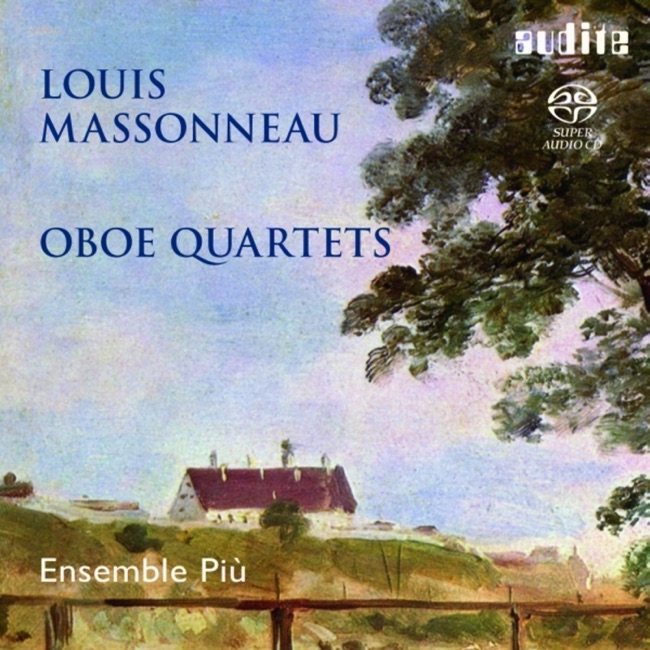 November 29, 2005
 -
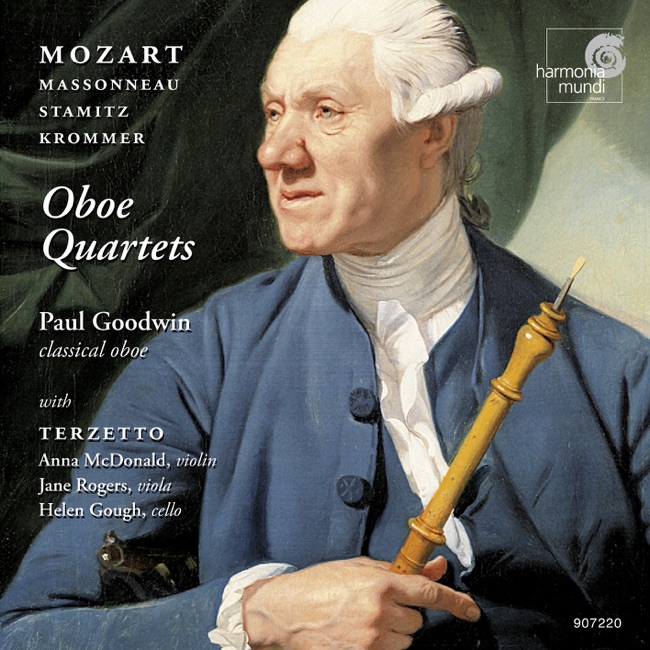 January 13, 1998
Artist Info
Role:ComposerGenre:ChamberLouis Massonneau was a French classical music composer who lived from 1754 to 1823. He was born in the town of Angers, located in the Loire Valley region of France. Massonneau was the son of a musician, and he began his musical education at a young age. He studied under several prominent composers and musicians of the time, including François-Joseph Gossec and Jean-Baptiste Davaux. Massonneau's early compositions were heavily influenced by the classical music of his time, particularly the works of Wolfgang Amadeus Mozart and Franz Joseph Haydn. He was known for his skillful use of melody and harmony, as well as his ability to create complex and intricate musical structures. One of Massonneau's most notable works is his Symphony No. 1 in C Major, which was composed in 1785. This symphony is characterized by its lively and energetic melodies, as well as its use of intricate counterpoint and harmonies. It was well-received by audiences and critics alike, and helped to establish Massonneau as a prominent composer in his own right. In addition to his symphonies, Massonneau also composed a number of chamber music works, including string quartets and sonatas. These works were often more intimate in nature than his symphonies, and showcased his ability to create complex and nuanced musical textures. One of Massonneau's most famous chamber music works is his String Quartet No. 2 in D Major, which was composed in 1792. This work is characterized by its use of intricate counterpoint and harmonies, as well as its lively and energetic melodies. It is considered to be one of Massonneau's most accomplished works, and is still performed and studied by musicians today. Massonneau's music was also heavily influenced by the political and social upheavals of his time. He lived through the French Revolution, and many of his works reflect the tumultuous political climate of the era. For example, his Symphony No. 2 in E-flat Major, which was composed in 1793, is characterized by its dark and brooding melodies, which are thought to reflect the uncertainty and fear of the time. Despite his success as a composer, Massonneau struggled financially throughout his life. He was never able to secure a permanent position as a musician, and often had to rely on the patronage of wealthy individuals in order to support himself. This financial instability may have contributed to his relatively low profile in the history of classical music, as many of his contemporaries who were more financially secure were able to achieve greater fame and recognition. Despite these challenges, Massonneau continued to compose throughout his life, and his music remains an important part of the classical music canon. His works are characterized by their intricate melodies and harmonies, as well as their ability to capture the political and social climate of his time. Today, he is remembered as one of the most accomplished composers of the late 18th and early 19th centuries, and his music continues to be studied and performed by musicians around the world.More....
Recent Artist Music
Copyright Ⓒ 2013 Davinci Finger. All rights reseved
Service Terms & Policy