


Pablo Esteve
Released Album
Vocal
-
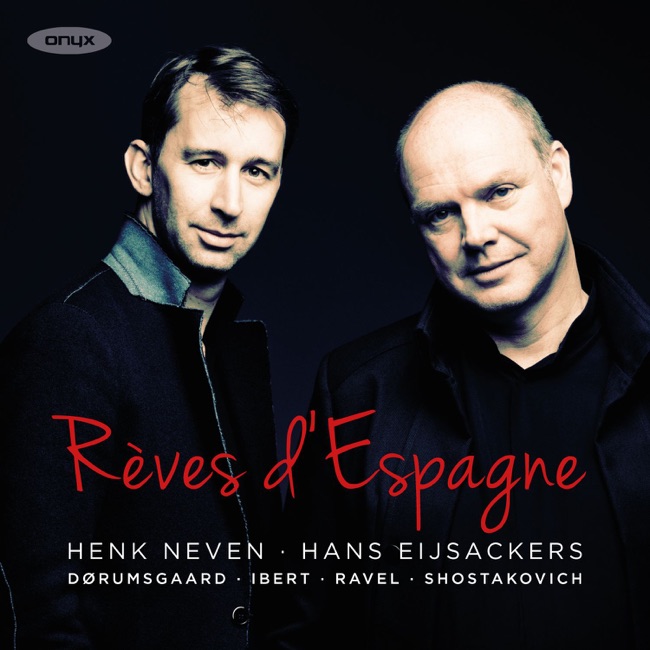 May 6, 2016
 -
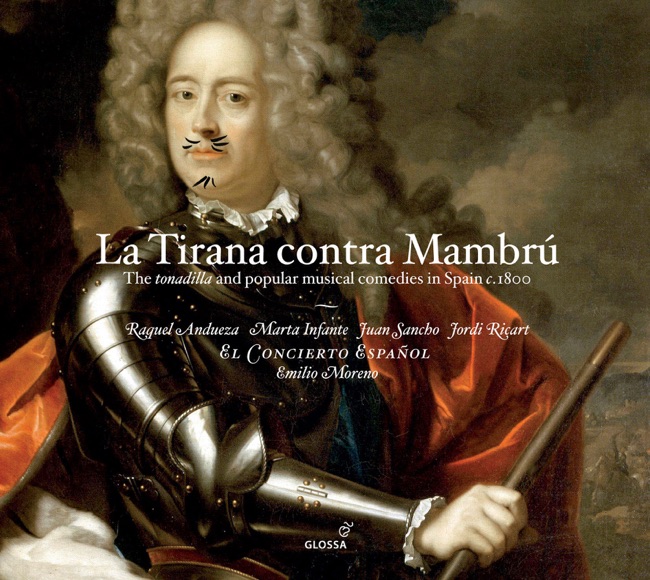 June 29, 2009
 -
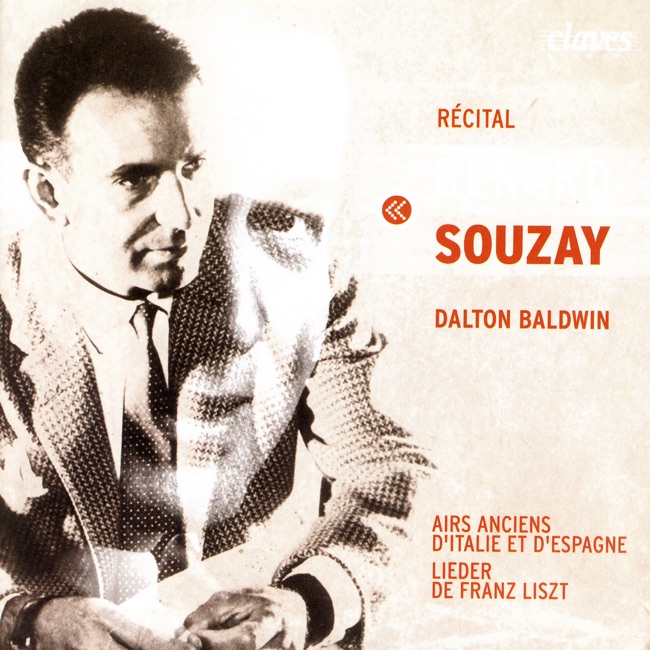 May 31, 2005
 -
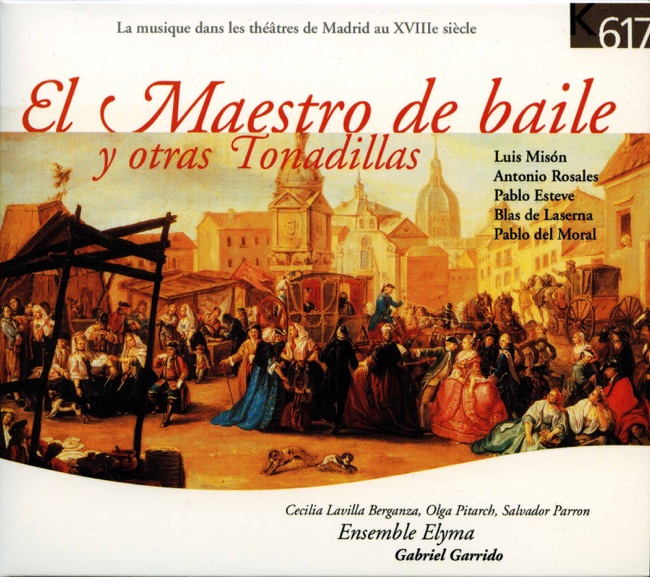 December 9, 2003
 -
-
 April 5, 1984
Artist Info
Role:ComposerPeriod:ClassicalGenre:VocalPablo Esteve was a Spanish composer of classical music who lived from 1866 to 1935. He was born in Valencia, Spain, and showed an early interest in music. His parents recognized his talent and encouraged him to pursue his passion for music. Esteve began his musical education at a young age, studying piano and composition with local teachers. He showed great promise as a composer, and his parents sent him to study at the Madrid Conservatory when he was just 14 years old. At the Madrid Conservatory, Esteve studied with some of the most prominent composers of the time, including Tomás Bretón and Emilio Serrano. He also studied piano with José Tragó, who was known for his virtuosic performances. Esteve's early compositions were influenced by the Romantic style of the time, with lush harmonies and sweeping melodies. He was particularly drawn to the music of Richard Wagner, and his early works show the influence of Wagner's operas. In 1888, Esteve won a scholarship to study in Paris, where he continued his musical education at the Conservatoire de Paris. He studied with some of the most prominent composers of the time, including Jules Massenet and Gabriel Fauré. While in Paris, Esteve was exposed to the music of the Impressionists, including Claude Debussy and Maurice Ravel. He was particularly drawn to the use of color and texture in their music, and he began to incorporate these elements into his own compositions. Esteve's music began to gain recognition in Spain and abroad, and he was soon regarded as one of the leading composers of his generation. His works were performed by some of the most prominent orchestras and ensembles of the time, including the Berlin Philharmonic and the London Symphony Orchestra. One of Esteve's most famous works is his Symphony No. 1, which was premiered in 1901. The symphony is a grand, sweeping work that showcases Esteve's mastery of orchestration and his ability to create powerful emotional effects through music. Another notable work by Esteve is his opera, La Celestina, which was premiered in 1913. The opera is based on the famous Spanish novel of the same name, and it showcases Esteve's ability to create complex characters and dramatic situations through music. Esteve's music continued to evolve throughout his career, and he remained an important figure in the Spanish music scene until his death in 1935. His works continue to be performed and recorded today, and he is regarded as one of the most important Spanish composers of the 20th century.More....
Recent Artist Music
Copyright Ⓒ 2013 Davinci Finger. All rights reseved
Service Terms & Policy