


Théodore Dubois
Released Album
Keyboard
-
 April 5, 2024
 -
 April 5, 2024
 -
 April 5, 2024
 -
 April 5, 2024
 -
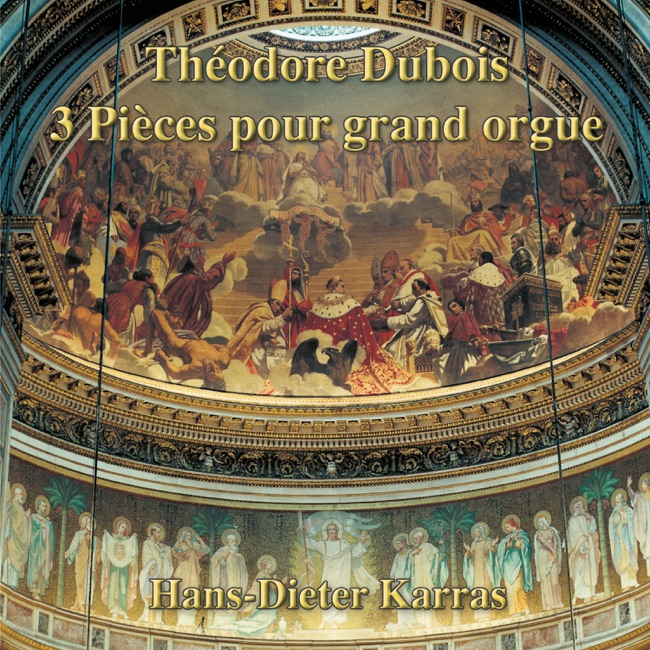 April 5, 2024
 -
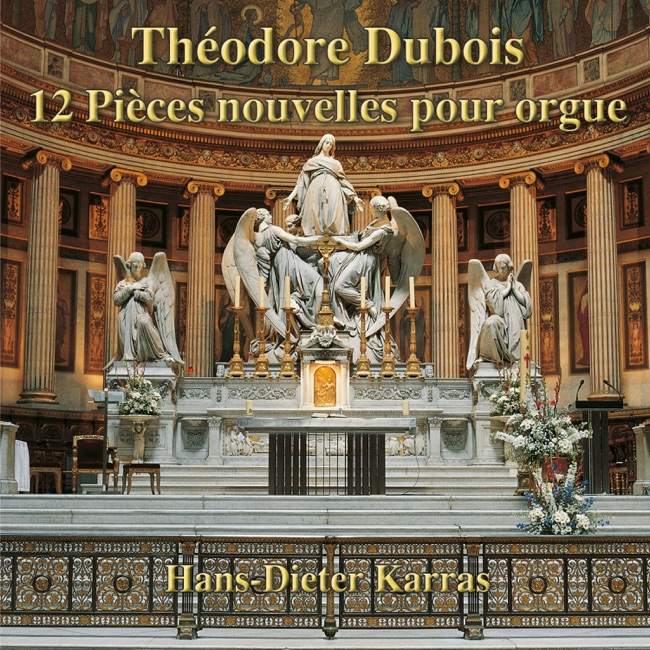 April 5, 2024
Chamber
-
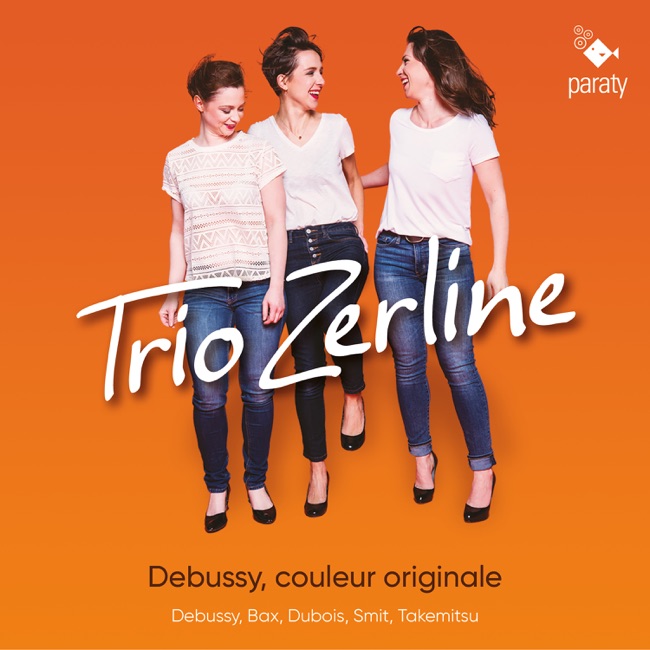 June 24, 2022
 -
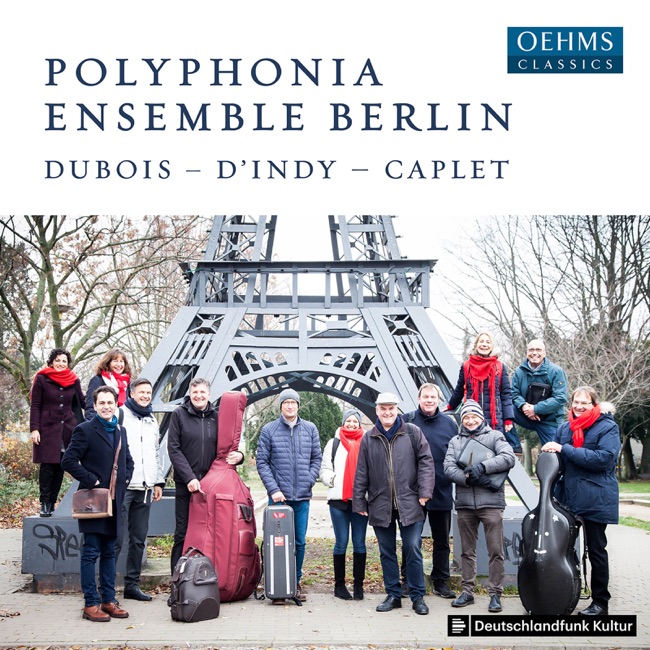 May 20, 2022
 -
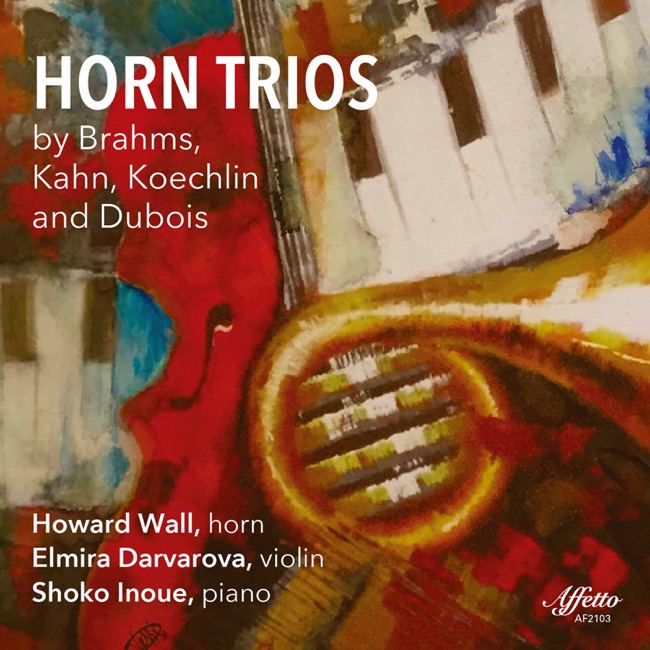 November 5, 2021
 -
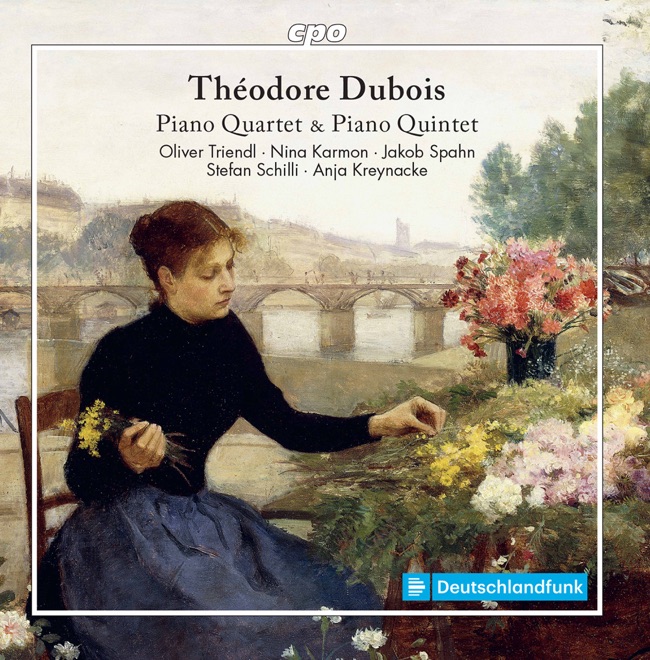 February 5, 2021
 -
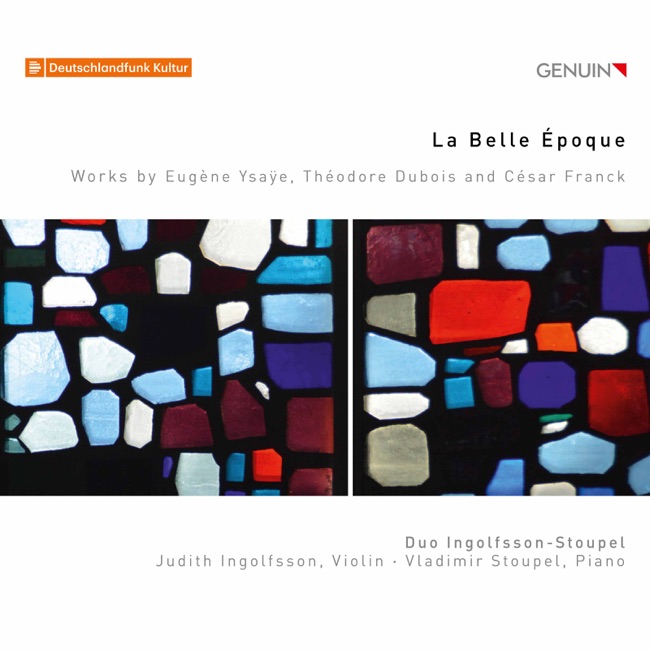 November 15, 2019
 -
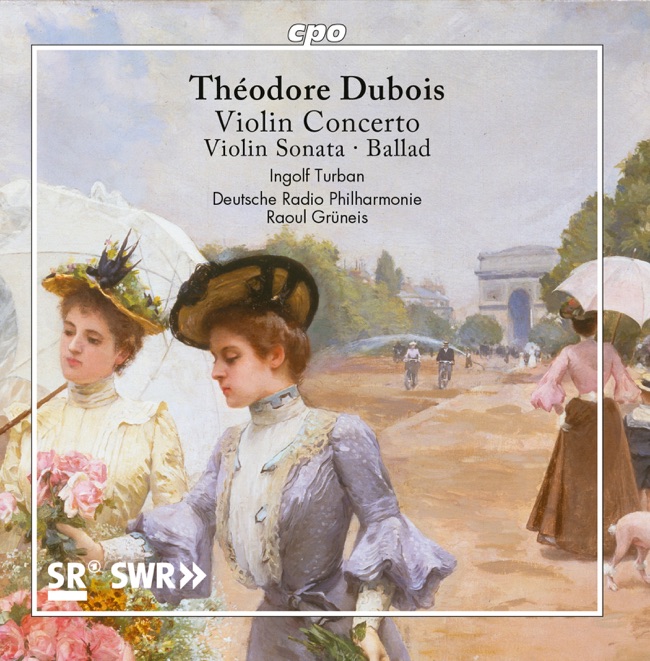 November 2, 2018
Choral
-
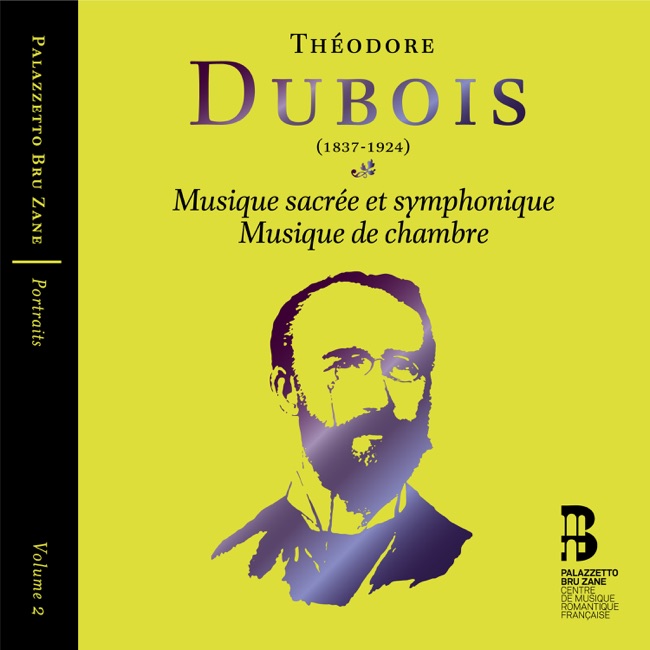 February 24, 2015
 -
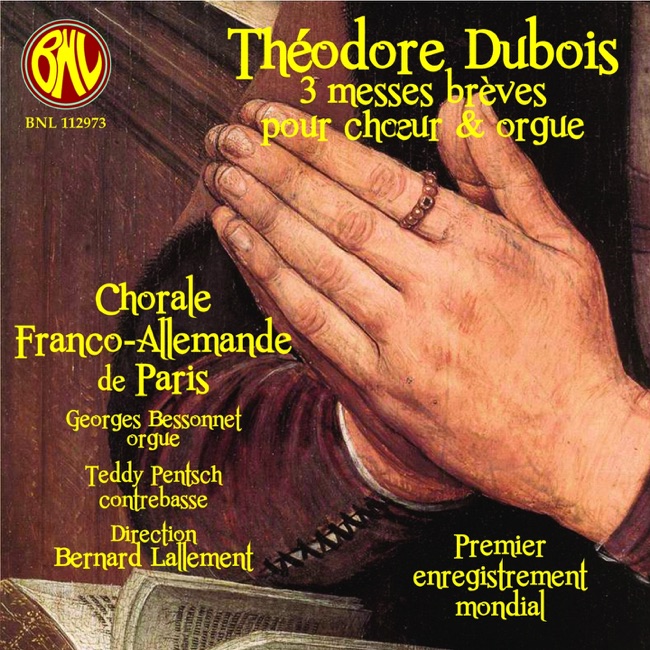 February 11, 2013
 -
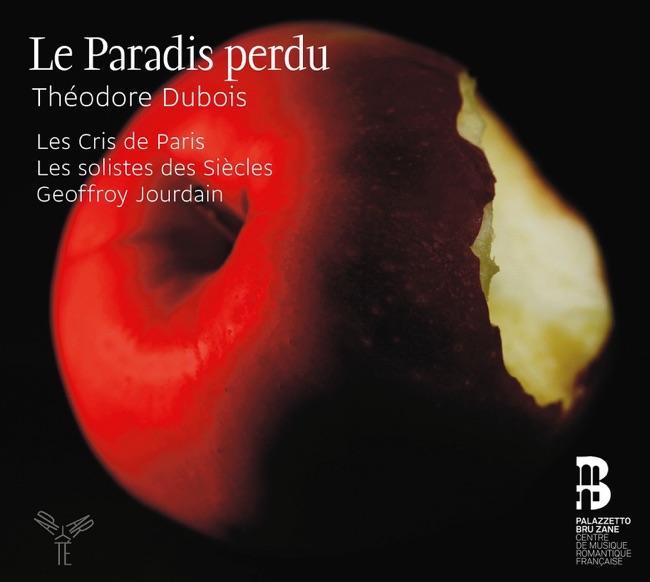 April 2, 2012
 -
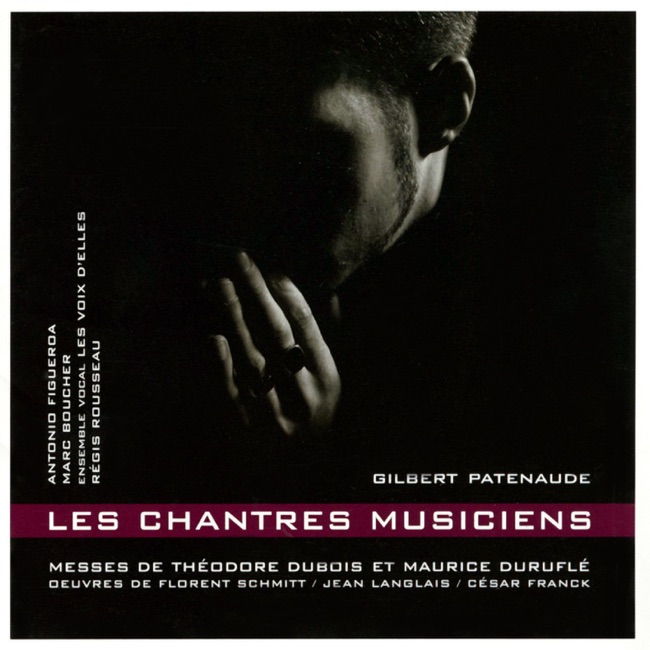 June 9, 2009
 -
-
Artist Info
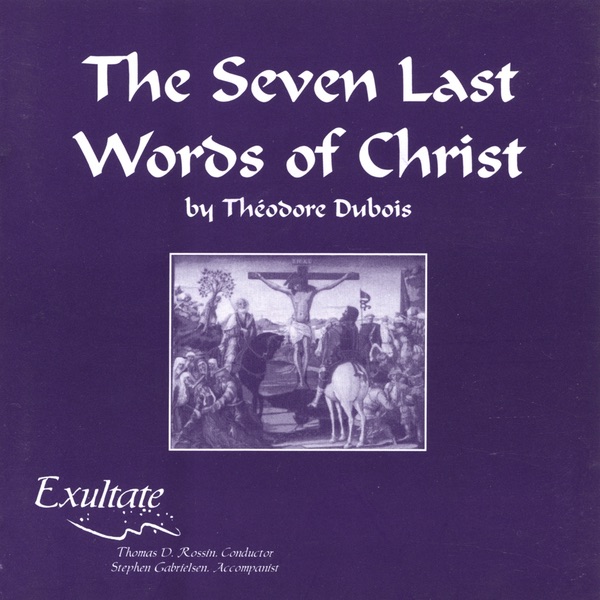
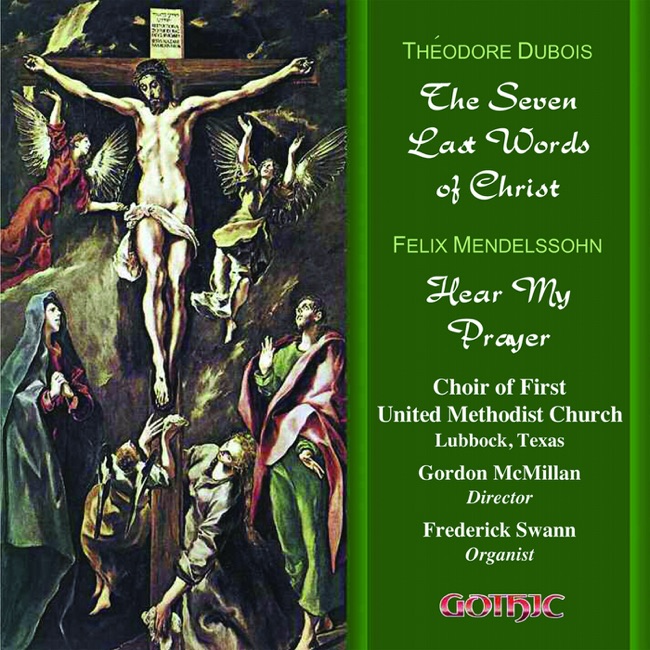
Role:ComposerCountry: FranceBirth:August 24, 1837 in Rosnay, FranceDeath:June 11, 1924Period:RomanticGenre:ChoralKeyboardThéodore Dubois was a French composer, organist, and music teacher who lived from 1837 to 1924. He was born in Rosnay, a small village in the Loire Valley, and showed an early aptitude for music. His father was a village schoolteacher who also played the organ, and he encouraged his son's musical interests. At the age of nine, Dubois was sent to study music with a local organist, and he soon showed remarkable talent as a pianist and composer. Dubois continued his musical studies in Paris, where he enrolled at the Conservatoire de Paris in 1854. He studied composition with Ambroise Thomas and organ with François Benoist, and he won several prizes for his compositions. In 1861, he won the prestigious Prix de Rome, which allowed him to study in Italy for four years. During his time in Rome, Dubois studied the works of Palestrina and other Renaissance composers, which had a profound influence on his own music. After returning to Paris in 1865, Dubois began a successful career as a composer and organist. He was appointed organist at the church of Sainte-Clotilde in 1868, a position he held for over 30 years. He also taught at the Conservatoire de Paris, where his students included Gabriel Fauré and Paul Dukas. In 1891, he was appointed director of the Conservatoire, a position he held until 1905. Dubois was a prolific composer, and his works include operas, oratorios, cantatas, symphonies, chamber music, and organ music. He was particularly known for his choral music, which was often performed by the leading choirs of his day. His most famous work is probably his oratorio "Les sept paroles du Christ" (The Seven Last Words of Christ), which was first performed in 1867 and has remained popular ever since. Dubois was also a skilled organist, and his organ music is still performed today. He wrote several collections of organ pieces, including "Douze Pièces Nouvelles" (Twelve New Pieces) and "Cinq Pièces pour Grand Orgue" (Five Pieces for Grand Organ). His organ music is characterized by its virtuosity and its use of the full range of the instrument. Dubois was a conservative composer who was influenced by the music of the past, particularly the Renaissance and Baroque periods. He was not interested in the new musical styles that were emerging in the late 19th century, such as impressionism and atonality. His music is characterized by its clarity, its formal structure, and its use of traditional forms such as the fugue and the chorale. Despite his conservative musical style, Dubois was a respected figure in the French musical world. He was awarded the Legion of Honor in 1892, and he was elected to the Académie des Beaux-Arts in 1901. He continued to compose and teach until his death in 1924, at the age of 87. In conclusion, Théodore Dubois was a talented composer, organist, and teacher who made significant contributions to the French musical world. His music was characterized by its clarity, its formal structure, and its use of traditional forms, and he was particularly known for his choral music and his organ music. Despite his conservative musical style, he was a respected figure in his day, and his music continues to be performed and appreciated today.More....
Recent Artist Music
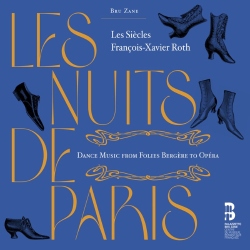
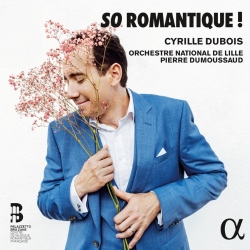
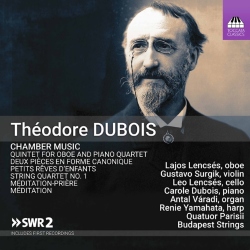
10
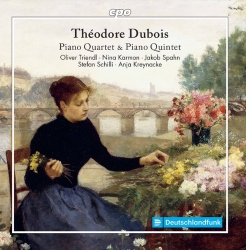
8:7


Copyright Ⓒ 2013 Davinci Finger. All rights reseved
Service Terms & Policy