


Huang Ruo
Released Album
Chamber
-
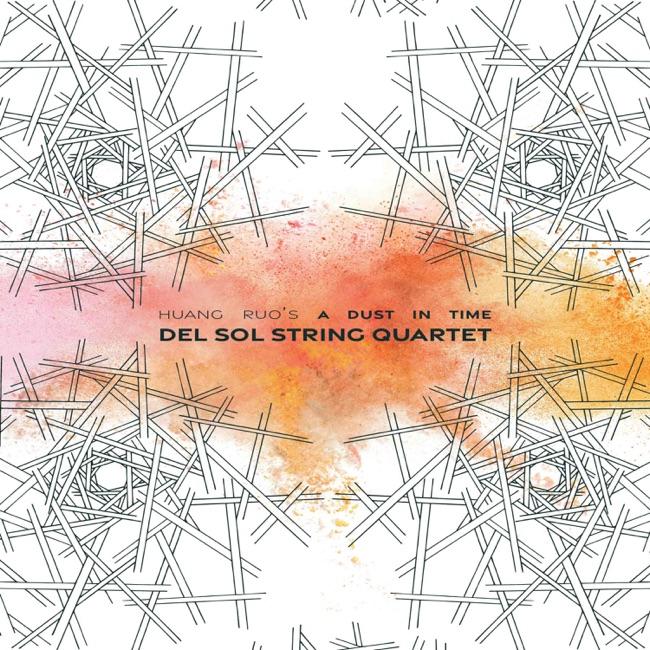 November 26, 2021
 -
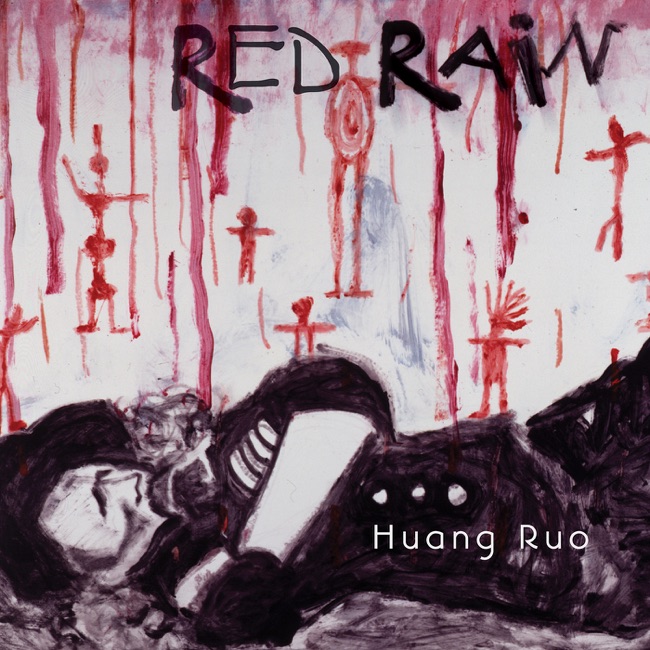 October 28, 2016
 -
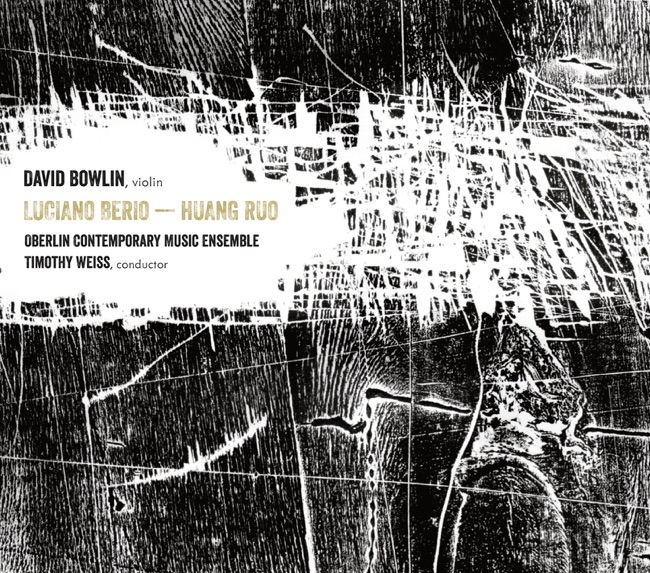 March 25, 2014
 -
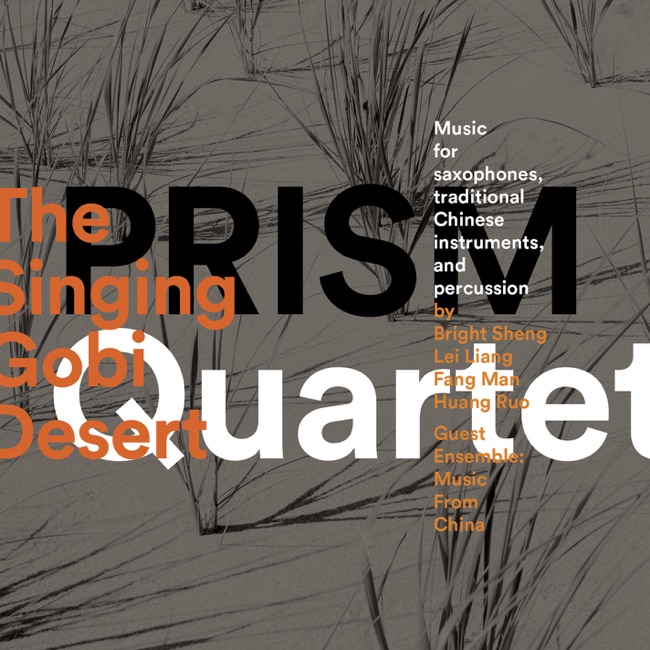 March 25, 2014
 -
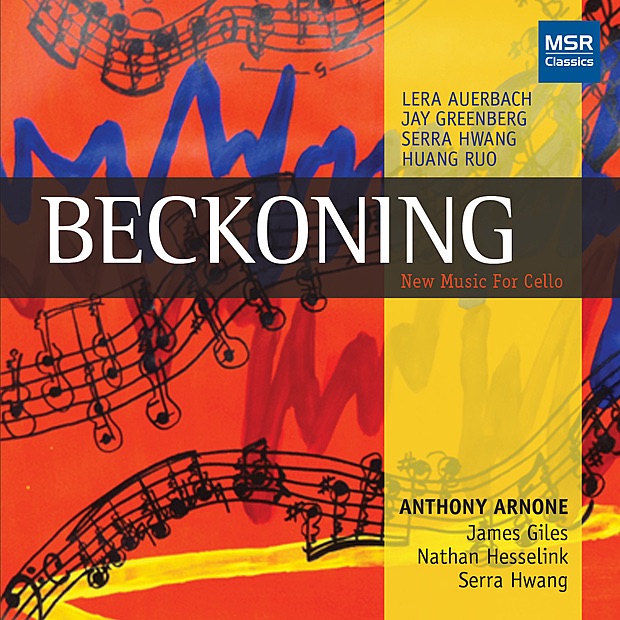 July 10, 2012
 -
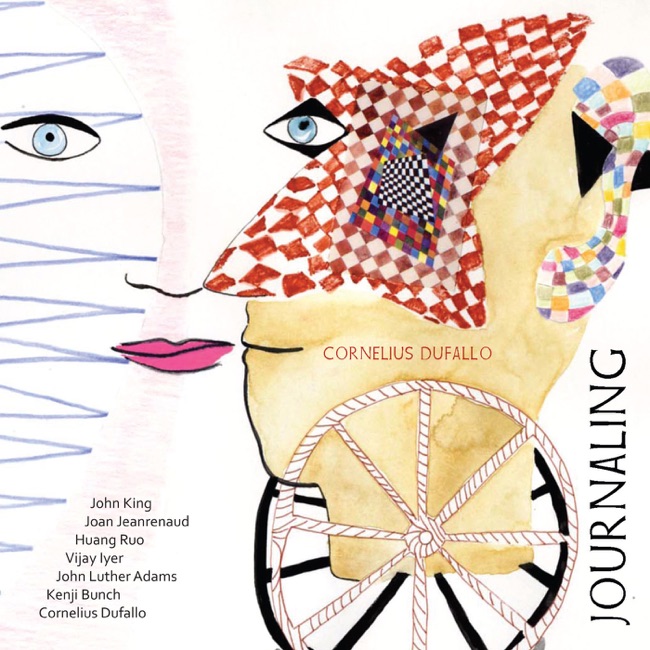 June 26, 2012
Vocal
-
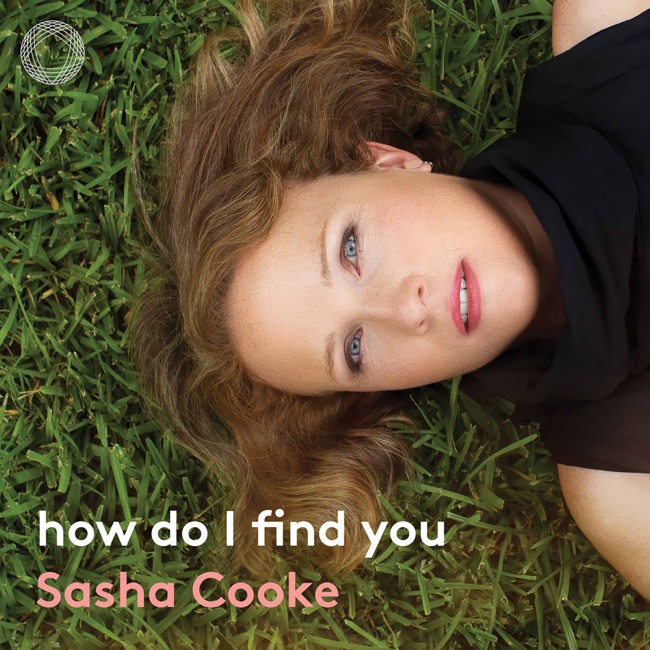 January 28, 2022
Orchestral
-
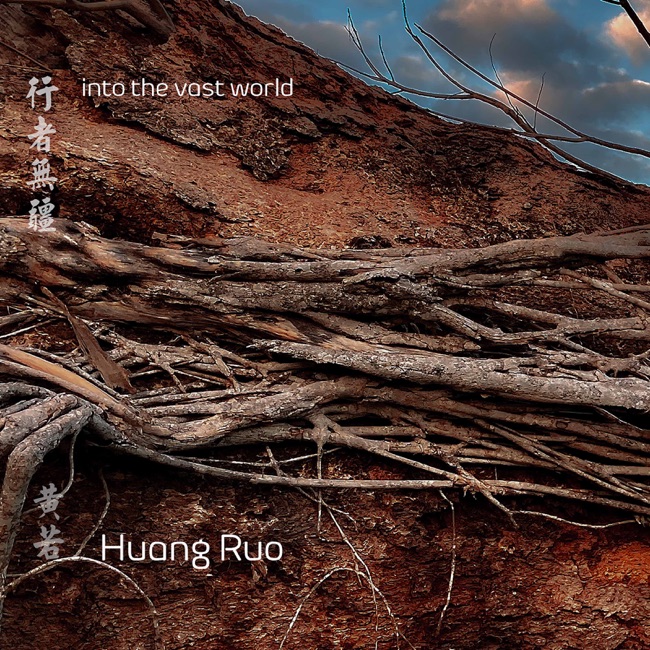 June 26, 2020
 -
 February 1, 2018
Artist Info
Role:Composer Conductor PerformerBirth:1976 in Hainan, ChinaHuang Ruo is a Chinese-American composer who has gained international recognition for his innovative and eclectic approach to classical music. Born in Hainan, China in 1976, Huang grew up in a family of musicians and began studying piano and composition at a young age. His father was a composer and conductor, and his mother was a singer and music teacher. Huang's early exposure to music and his family's support helped to shape his passion for composition and his unique artistic vision. Huang's musical education began at the Shanghai Conservatory of Music, where he studied composition with Chen Yi and Zhou Long. He later moved to the United States to pursue further studies at the Juilliard School, where he studied with Samuel Adler and Robert Beaser. Huang's time at Juilliard was a formative period in his development as a composer, as he was exposed to a wide range of musical styles and techniques. Huang's early works were heavily influenced by his Chinese heritage, incorporating traditional Chinese instruments and musical elements into his compositions. His breakthrough work, "The Yellow Earth," was a chamber opera that explored the lives of Chinese farmers in the 1930s. The opera was praised for its innovative use of Chinese folk music and its powerful portrayal of the struggles of rural life. In the years that followed, Huang continued to explore his Chinese heritage in his compositions, while also incorporating elements of Western classical music and other musical traditions. His works often feature unconventional instrumentation and experimental techniques, such as the use of extended techniques on traditional instruments. One of Huang's most acclaimed works is "Dr. Sun Yat-sen," an opera that tells the story of the founding of modern China. The opera premiered in Hong Kong in 2011 and has since been performed around the world. The work is notable for its use of a hybrid musical language that blends Chinese and Western elements, as well as its innovative staging and multimedia elements. Huang's other notable works include "Folk Songs for Orchestra," a collection of arrangements of traditional Chinese folk songs, and "Confluence," a concerto for sheng (a Chinese mouth organ) and orchestra. Huang has also collaborated with a wide range of artists and ensembles, including the New York Philharmonic, the Kronos Quartet, and the Silk Road Ensemble. In addition to his work as a composer, Huang is also an advocate for contemporary classical music and a mentor to young composers. He has served as a guest lecturer and composer-in-residence at numerous universities and music festivals around the world, and has been recognized with numerous awards and honors for his contributions to the field of classical music. Overall, Huang Ruo's career as a composer has been marked by a commitment to innovation and experimentation, as well as a deep respect for his Chinese heritage and the traditions of classical music. His works have challenged and expanded the boundaries of classical music, and his influence on the field is sure to be felt for years to come.More....
Recent Artist Music

Copyright Ⓒ 2013 Davinci Finger. All rights reseved
Service Terms & Policy