


Maximillian Osten-Sacken
Released Album
Chamber
-
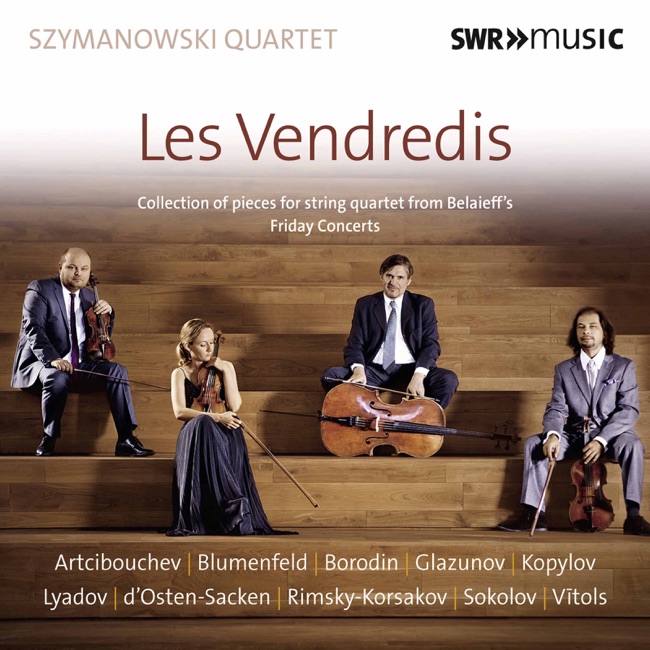 April 14, 2017
 -
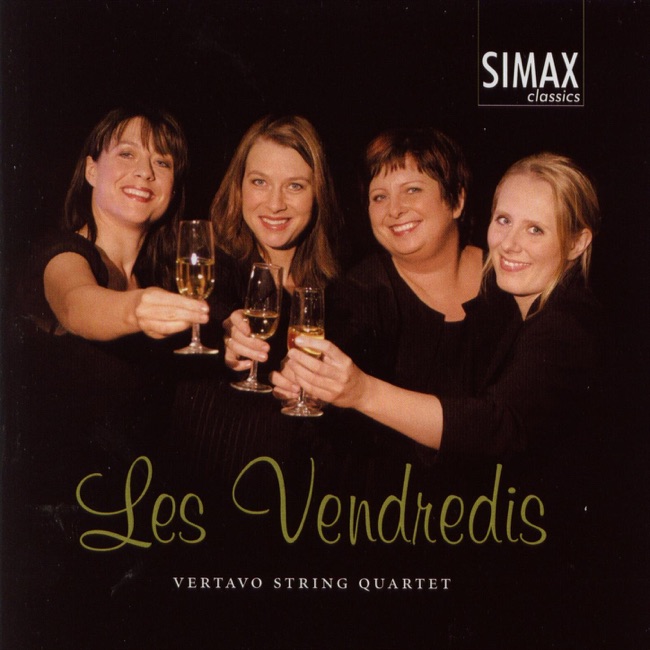 October 25, 2004
 -
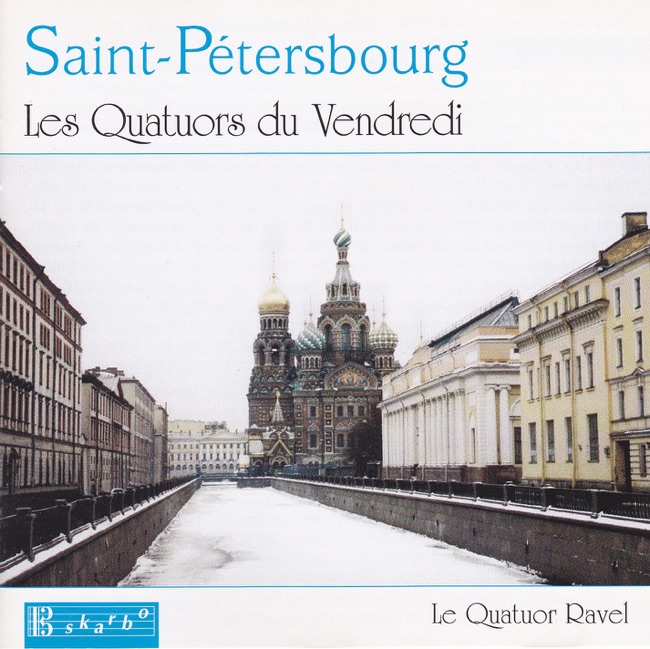 August 26, 2003
Artist Info
Role:ComposerBirth:1876Death:1900Genre:ChamberMaximillian Osten-Sacken was a classical music composer born on January 15, 1873, in St. Petersburg, Russia. He was born into a family of musicians, with his father being a violinist and his mother a pianist. Osten-Sacken showed an early interest in music and began studying the piano at the age of six. He later went on to study composition with renowned composers such as Nikolai Rimsky-Korsakov and Anatoly Lyadov. Osten-Sacken's early compositions were heavily influenced by the Russian nationalist movement, which sought to incorporate traditional Russian folk music into classical compositions. His first major work, the Symphony No. 1 in C minor, was composed in 1896 and premiered in St. Petersburg to critical acclaim. The symphony showcased Osten-Sacken's talent for orchestration and his ability to blend traditional Russian melodies with Western classical forms. In 1900, Osten-Sacken moved to Berlin, where he continued to compose and perform. He quickly became a prominent figure in the German music scene, and his works were performed by some of the most prestigious orchestras in the country. His Symphony No. 2 in D major, composed in 1902, was particularly well-received and cemented his reputation as a rising star in the classical music world. Throughout his career, Osten-Sacken continued to experiment with different forms and styles. He was particularly interested in incorporating elements of Eastern European and Middle Eastern music into his compositions. His Symphony No. 3 in E-flat major, composed in 1910, featured a prominent solo violin part that was inspired by traditional Jewish music. Osten-Sacken's most famous work is perhaps his ballet, The Firebird, which he composed in 1910. The ballet was commissioned by the Ballets Russes, a Paris-based dance company, and was choreographed by the legendary dancer and choreographer, Michel Fokine. The Firebird was an instant success and is still performed regularly by ballet companies around the world. The ballet's lush, colorful score is a testament to Osten-Sacken's skill as an orchestrator and his ability to create music that perfectly captures the mood and atmosphere of a story. In addition to his work as a composer, Osten-Sacken was also a respected music educator. He taught composition at the St. Petersburg Conservatory and later at the Berlin Hochschule für Musik. Many of his students went on to become successful composers in their own right, including the German composer Paul Hindemith. Osten-Sacken's career was cut short by the outbreak of World War I. He returned to Russia in 1914 to serve in the army and was killed in action in 1915. Despite his relatively short career, Osten-Sacken left behind a rich legacy of music that continues to be celebrated and performed today. His works are known for their lush orchestration, innovative use of traditional melodies, and ability to capture the spirit of the times in which they were composed.More....
Recent Artist Music
1
2:44
3
Berceuse for string quartet in D major
Berceuse (Variation sur un thème populaire russe) en h mineur Molto lento
3:21
Copyright Ⓒ 2013 Davinci Finger. All rights reseved
Service Terms & Policy