


Ernst Gottlieb Baron
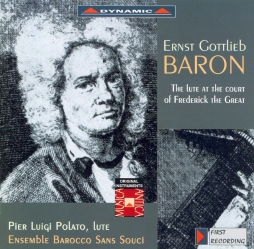
Released Album
Chamber
-
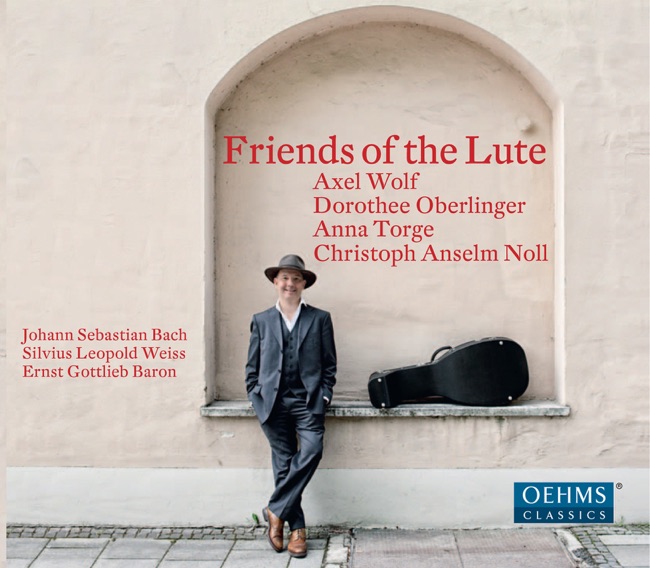 November 25, 2013
 -
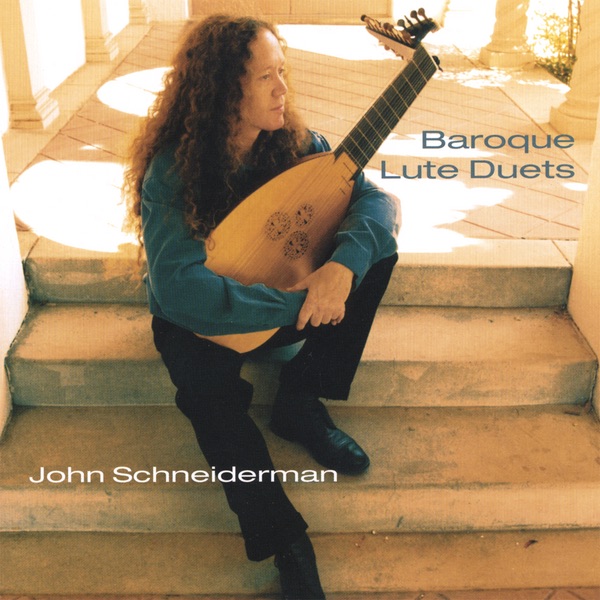 2003
2003 -
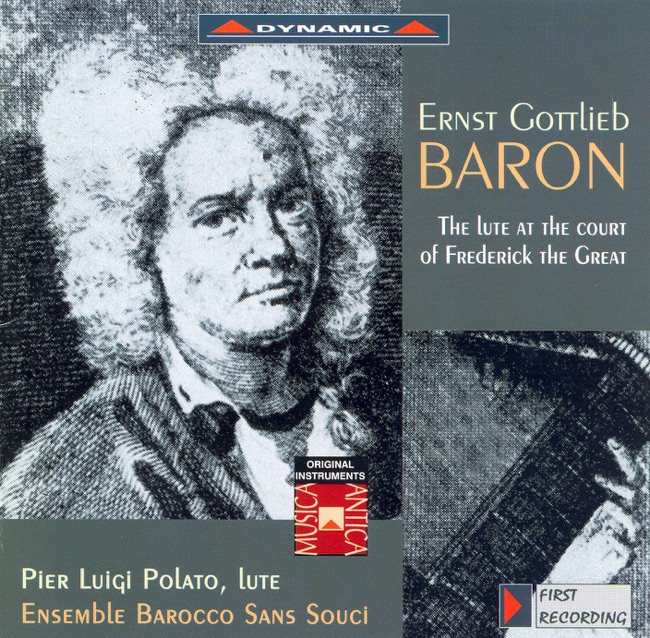 October 17, 2000
 -
 November 22, 1993
Artist Info
Role:ComposerCountry: GermanyBirth:February 17, 1696 in Breslau, GermanyDeath:April 12, 1760 in Berlin, GermanyPeriod:BaroqueGenre:ChamberConcertoErnst Gottlieb Baron was a German composer and musician who lived during the Baroque era. He was born on October 14, 1696, in Schwabach, a town in the Holy Roman Empire. His father, Johann Baron, was a musician and organist, and it was under his tutelage that Ernst Gottlieb began his musical education. Ernst Gottlieb Baron showed great promise as a musician from a young age. He was a skilled keyboard player and also played the violin and viola da gamba. He studied music theory and composition with his father and also received instruction from other prominent musicians of the time. In 1714, at the age of 18, Ernst Gottlieb Baron moved to Nuremberg to study with Johann Pachelbel, a renowned composer and organist. Pachelbel was a major influence on Baron's musical style, and he remained a lifelong friend and mentor to Baron. Baron's early compositions were primarily keyboard works, including suites, preludes, and fugues. He also wrote chamber music for various instrumental combinations, including sonatas for violin and continuo, trio sonatas, and quartets. In 1723, Baron was appointed court musician to the Duke of Saxe-Weimar. He remained in this position for the rest of his life, and it was during this time that he composed some of his most significant works. One of Baron's most famous works is his Sonata for Flute and Continuo in E minor. This piece is a prime example of the Baroque sonata form, with its three movements (fast-slow-fast) and intricate counterpoint. The flute part is virtuosic and requires a high level of technical skill from the performer. Baron also wrote several concertos for various instruments, including the harpsichord, violin, and oboe. His Concerto for Harpsichord and Strings in D minor is a particularly notable work, with its dramatic opening movement and lively finale. In addition to his instrumental works, Baron also composed vocal music, including cantatas and oratorios. His oratorio, Der Tod Jesu (The Death of Jesus), was a popular work in its time and is still performed today. The piece tells the story of Jesus' crucifixion and features soloists, choir, and orchestra. Baron's music is characterized by its contrapuntal complexity and its adherence to the principles of Baroque music. His works are often highly virtuosic and require a great deal of technical skill from the performers. Despite his considerable talent as a composer, Baron's music fell out of favor in the years following his death, and it was not until the 20th century that his works began to be rediscovered and performed again. Ernst Gottlieb Baron died on October 16, 1760, in Weimar, Germany. He left behind a significant body of work that continues to be appreciated by musicians and audiences today. His contributions to the development of Baroque music are significant, and his legacy as a composer and musician is an important part of the history of classical music.More....
Copyright Ⓒ 2013 Davinci Finger. All rights reseved
Service Terms & Policy