


Jiang Wen-Yeh
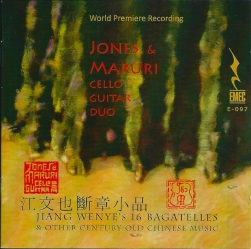
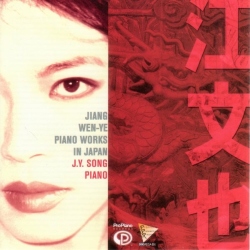
Released Album
Keyboard
-
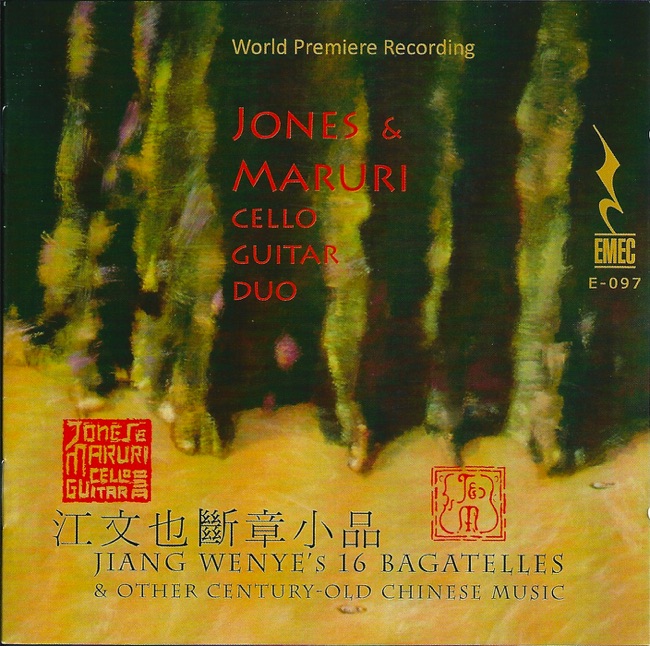 August 27, 2013
 -
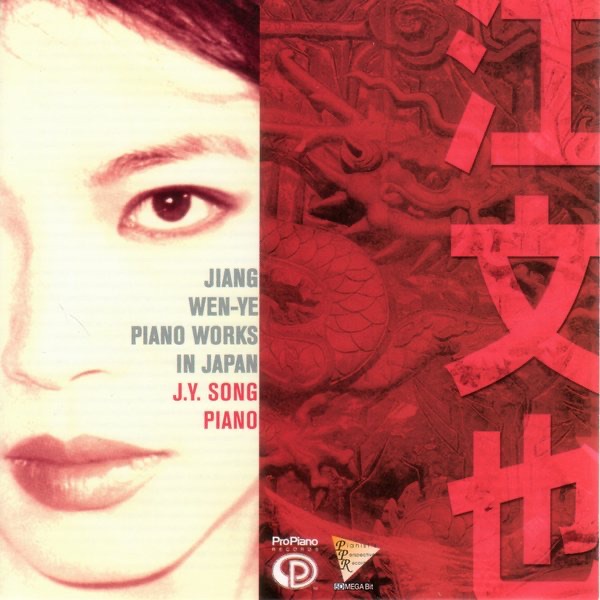 June 21, 2011
 -
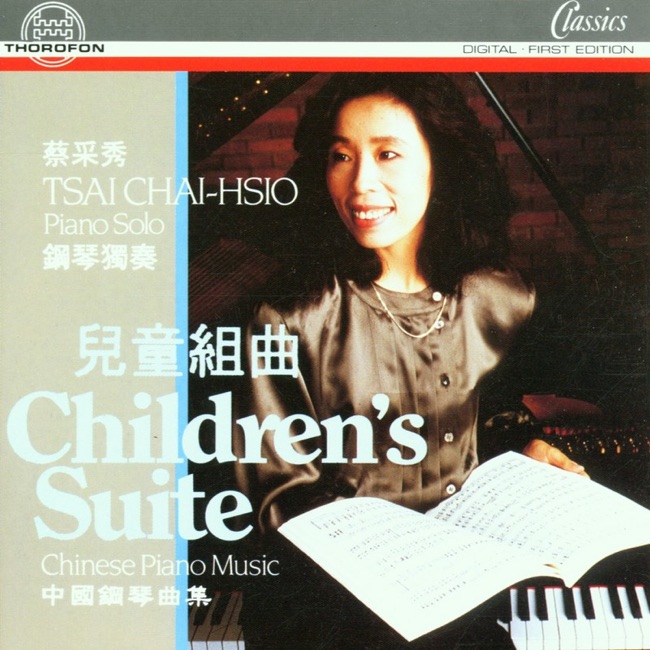 April, 1996
Artist Info
Role:ComposerBirth:1910Death:1983Period:ModernGenre:KeyboardJiang Wen-Yeh was a renowned classical music composer from Taiwan. He was born on December 25, 1910, in the city of Tainan, Taiwan. His father was a successful businessman, and his mother was a talented musician who played the piano and the violin. Jiang Wen-Yeh inherited his mother's musical talent and began playing the piano at a young age. Jiang Wen-Yeh's musical education began at the age of six when he started taking piano lessons from his mother. He showed great promise as a musician and was soon enrolled in the Tainan Music School. There, he studied under the tutelage of renowned music teachers, including Chen Ching-Yuan and Chen Ching-Hsiang. In 1928, Jiang Wen-Yeh moved to Tokyo, Japan, to further his musical education. He enrolled in the Tokyo Music School, where he studied composition under the guidance of Saburo Moroi. During his time in Japan, Jiang Wen-Yeh was exposed to Western classical music and developed a deep appreciation for the works of composers such as Beethoven, Mozart, and Bach. After completing his studies in Japan, Jiang Wen-Yeh returned to Taiwan and began his career as a composer. He quickly gained recognition for his unique style, which blended traditional Chinese music with Western classical music. His compositions were characterized by their use of Chinese instruments, such as the erhu and the pipa, and their incorporation of Chinese folk melodies. One of Jiang Wen-Yeh's most famous works is his "Taiwanese Suite," which was composed in 1949. The suite consists of four movements, each of which is based on a traditional Taiwanese folk song. The first movement, "The Song of the Fishermen," is a lively and upbeat piece that captures the spirit of the Taiwanese fishing community. The second movement, "The Song of the Rice Paddies," is a slower and more contemplative piece that reflects the hard work and dedication of Taiwanese farmers. The third movement, "The Song of the Mountains," is a majestic and grand piece that celebrates the beauty of Taiwan's natural landscape. The final movement, "The Song of the Aborigines," is a lively and energetic piece that pays tribute to Taiwan's indigenous people. Another notable work by Jiang Wen-Yeh is his "Concerto for Erhu and Orchestra," which was composed in 1956. The concerto is a virtuosic showcase for the erhu, a traditional Chinese instrument that is similar to a violin. The piece is characterized by its use of traditional Chinese melodies and its incorporation of Western classical music techniques. Jiang Wen-Yeh's contributions to the world of classical music were recognized with numerous awards and honors. In 1961, he was awarded the National Award for Arts and Literature by the Taiwanese government. In 1978, he was awarded the Order of the Brilliant Star by the Taiwanese government for his contributions to the arts. Jiang Wen-Yeh continued to compose music until his death in 1983. His legacy lives on through his compositions, which continue to be performed and celebrated by musicians and audiences around the world. His unique blend of traditional Chinese music and Western classical music has inspired countless composers and musicians, and his contributions to the world of classical music will be remembered for generations to come.More....
Copyright Ⓒ 2013 Davinci Finger. All rights reseved
Service Terms & Policy