


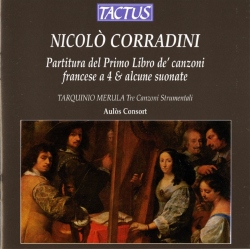
Nicolò Corradini
Released Album
Chamber
-
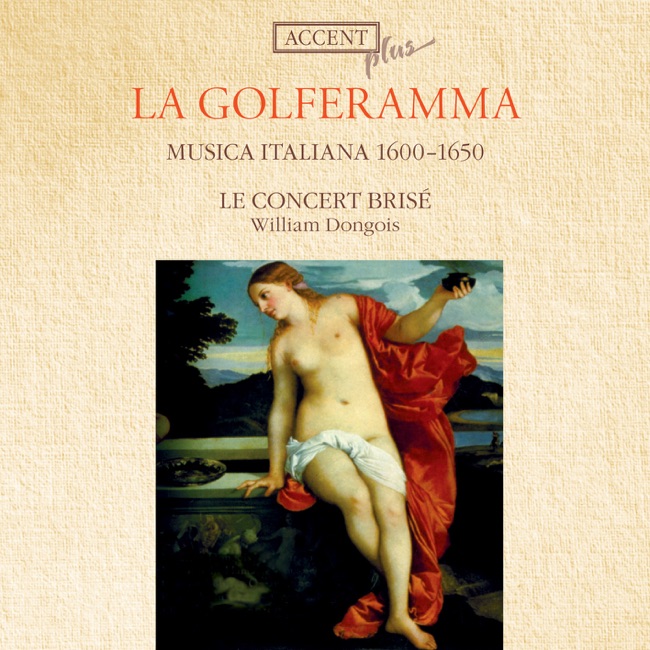 December 27, 2005
 -
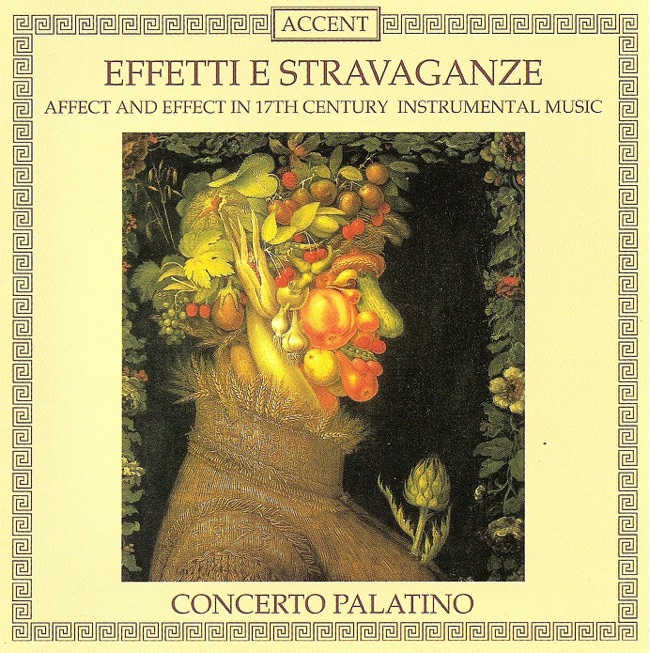 January 1, 1999
Miscellaneous
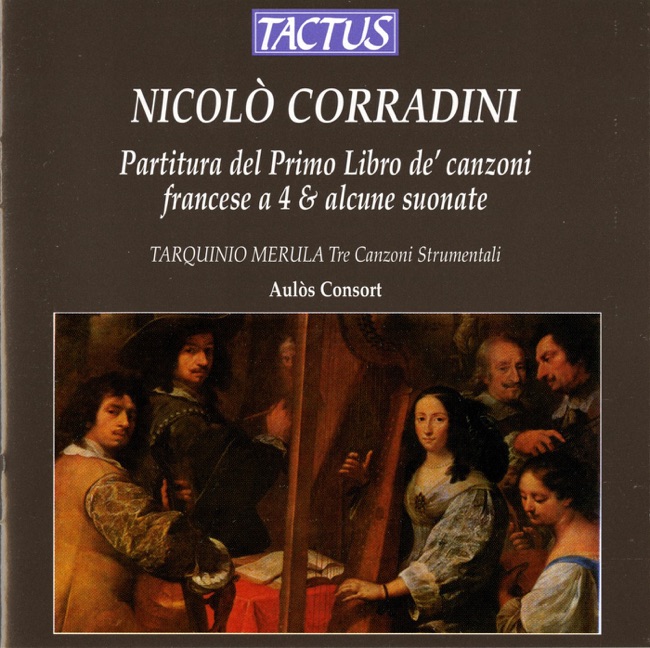
Choral
-
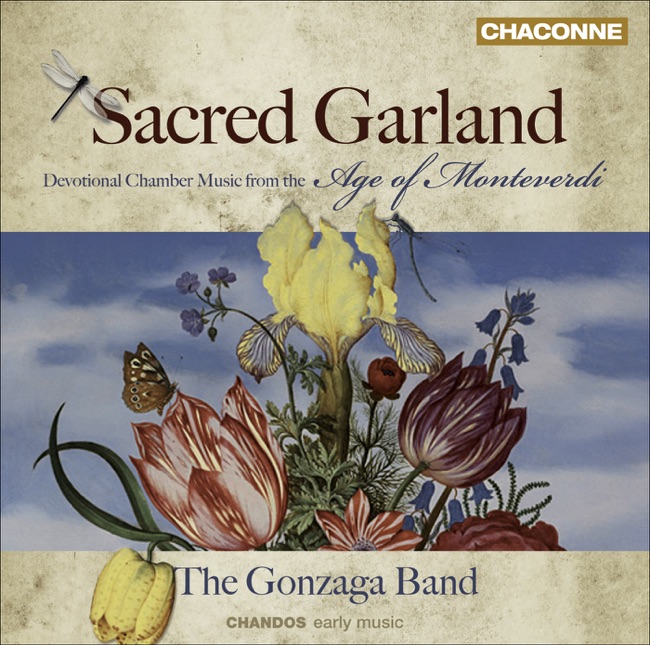 July 28, 2009
Artist Info
Role:ComposerCountry: ItalyDeath:August 7, 1646Period:BaroqueGenre:ChamberChoralNicolò Corradini was an Italian composer of the Baroque era, born in Bologna in 1695. He was the son of a musician, and his father recognized his son's musical talent at an early age. Corradini began his musical education at the age of six, studying the violin and the harpsichord. He quickly showed a natural aptitude for music, and his father encouraged him to pursue a career as a musician. Corradini's early years were spent studying with some of the most prominent musicians of his time. He studied the violin with Giuseppe Torelli, a famous composer and violinist, and the harpsichord with Giovanni Battista Martini, a renowned music theorist. Corradini's education was not limited to music, however. He also studied philosophy, mathematics, and literature, which gave him a broad knowledge base that would serve him well in his later career. In 1715, Corradini was appointed as the maestro di cappella at the Basilica of San Petronio in Bologna. This was a prestigious position, and it gave Corradini the opportunity to compose music for the church. He quickly gained a reputation as a talented composer, and his music was performed throughout Italy. Corradini's music was characterized by its elegance and sophistication. He was a master of counterpoint, and his compositions were known for their intricate harmonies and complex rhythms. His music was also notable for its emotional depth and expressiveness. Corradini was able to convey a wide range of emotions through his music, from joy and exuberance to sadness and melancholy. One of Corradini's most famous works is his Stabat Mater, a musical setting of the Latin hymn that describes the suffering of Mary at the foot of the cross. The Stabat Mater is a powerful and emotional work, and it has been performed by many of the world's leading orchestras and choirs. Another notable work by Corradini is his Sonata in D major for violin and continuo. This piece is a virtuosic showcase for the violin, and it demonstrates Corradini's mastery of the instrument. Corradini's career was not without its challenges, however. In 1737, he was accused of plagiarism by the composer Johann Adolph Hasse. Hasse claimed that Corradini had copied one of his compositions, and the accusation caused a scandal in the musical world. Corradini vehemently denied the accusation, and he was eventually cleared of any wrongdoing. However, the incident tarnished his reputation, and he never fully regained the respect of his peers. Despite this setback, Corradini continued to compose music until his death in 1746. His legacy as a composer has endured, and his music continues to be performed and admired by musicians and audiences around the world. Nicolò Corradini was a true master of his craft, and his contributions to the world of classical music will be remembered for generations to come.More....
Copyright Ⓒ 2013 Davinci Finger. All rights reseved
Service Terms & Policy