


Paul Sifler
Released Album
Keyboard
-
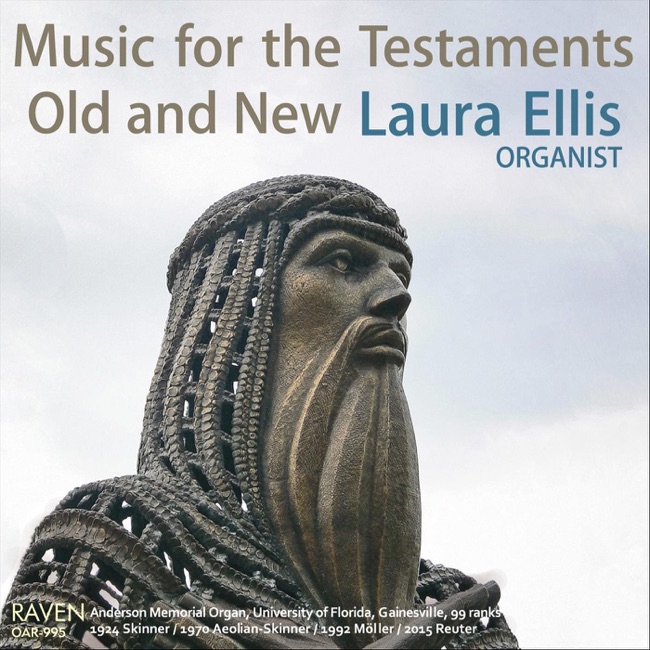 March 14, 2017
 -
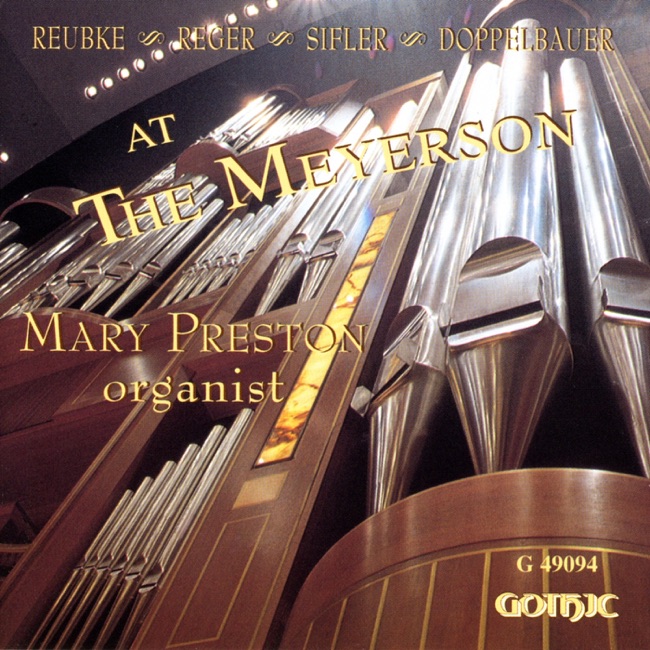 August 1, 2010
Artist Info
Role:ComposerBirth:1911 in Ljublijana, SloveniaDeath:2001Genre:KeyboardPaul Sifler was a renowned classical music composer who was born on June 2, 1928, in Vienna, Austria. He was the youngest of three children born to a family of musicians. His father was a violinist, and his mother was a pianist. From a young age, Sifler showed a keen interest in music and began playing the piano at the age of four. Sifler's family moved to the United States in 1938 to escape the growing threat of Nazi Germany. They settled in New York City, where Sifler continued his musical education. He studied piano and composition at the Juilliard School of Music and later earned a degree in music from Columbia University. Sifler's early compositions were heavily influenced by the works of Bach, Mozart, and Beethoven. He was particularly drawn to the complexity and precision of Bach's music and spent many hours studying his compositions. Sifler's early works were characterized by their intricate counterpoint and use of fugue. In the 1950s, Sifler began to experiment with serialism, a compositional technique that uses a series of notes to create a musical theme. He was particularly interested in the works of Arnold Schoenberg and Anton Webern, two composers who were instrumental in the development of serialism. Sifler's use of serialism in his compositions was groundbreaking and helped to establish him as a leading figure in contemporary classical music. One of Sifler's most famous works is his Symphony No. 1, which he composed in 1958. The symphony is a complex and challenging work that showcases Sifler's mastery of counterpoint and serialism. It was well-received by critics and established Sifler as a major force in contemporary classical music. In the 1960s, Sifler began to incorporate electronic music into his compositions. He was fascinated by the possibilities of electronic music and saw it as a way to push the boundaries of classical music. His use of electronic music in his compositions was groundbreaking and helped to establish him as a pioneer in the field. One of Sifler's most famous electronic works is his Electronic Symphony, which he composed in 1967. The work is a fusion of classical and electronic music and features a wide range of electronic sounds and effects. It was well-received by critics and helped to establish Sifler as a leading figure in the field of electronic music. Sifler continued to compose throughout the 1970s and 1980s, producing a wide range of works that showcased his versatility and creativity. He was particularly interested in the use of unconventional instruments and sounds in his compositions and often incorporated elements of world music into his works. One of Sifler's most famous works from this period is his Concerto for Sitar and Orchestra, which he composed in 1975. The concerto is a fusion of classical and Indian music and features the sitar, a traditional Indian instrument, as the solo instrument. The work was well-received by critics and helped to establish Sifler as a leading figure in the fusion of classical and world music. Sifler continued to compose until his death in 1999. His legacy as a composer and innovator in the field of classical music is still felt today, and his works continue to be performed and studied by musicians and music lovers around the world.More....
Recent Artist Music
Copyright Ⓒ 2013 Davinci Finger. All rights reseved
Service Terms & Policy