


Julio César Oliva
Released Album
Chamber
-
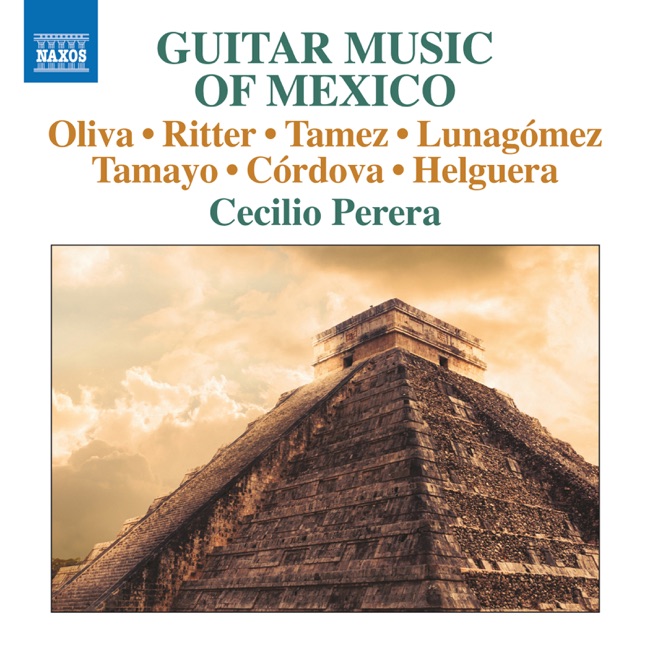 March 9, 2018
 -
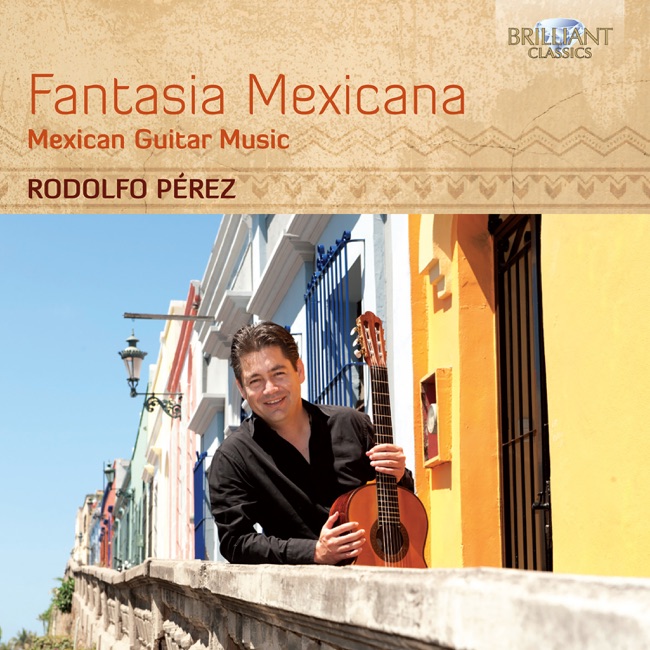 July 21, 2014
 -
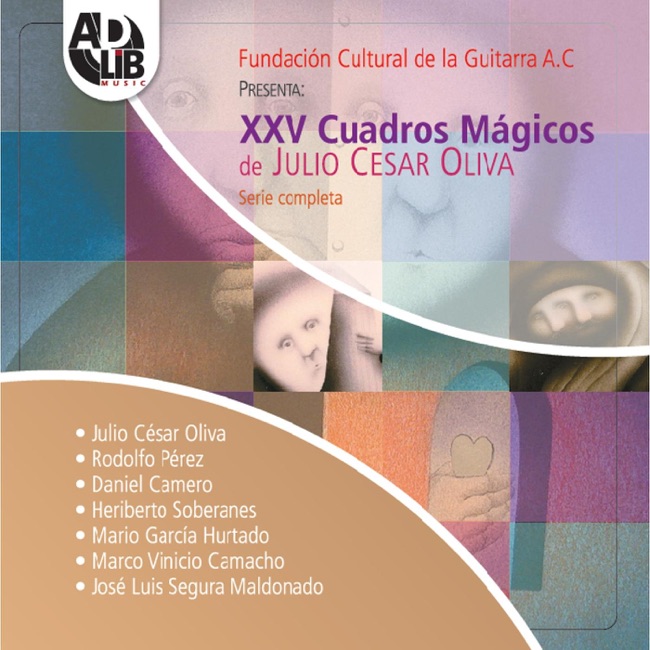
-
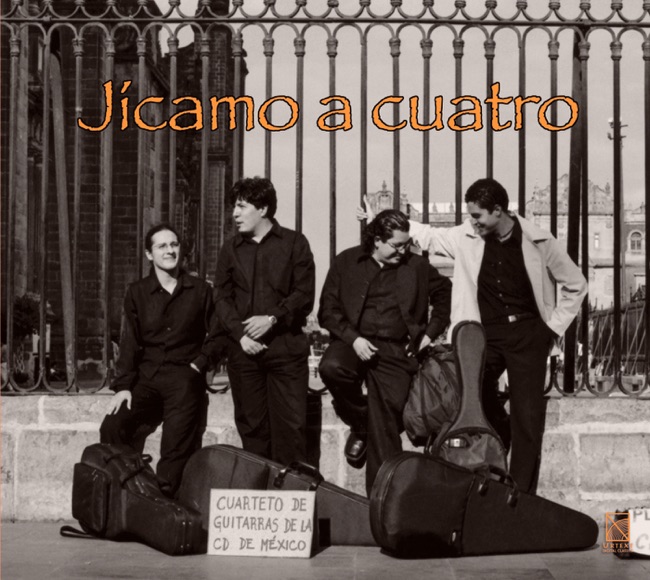 September 12, 2006
 -
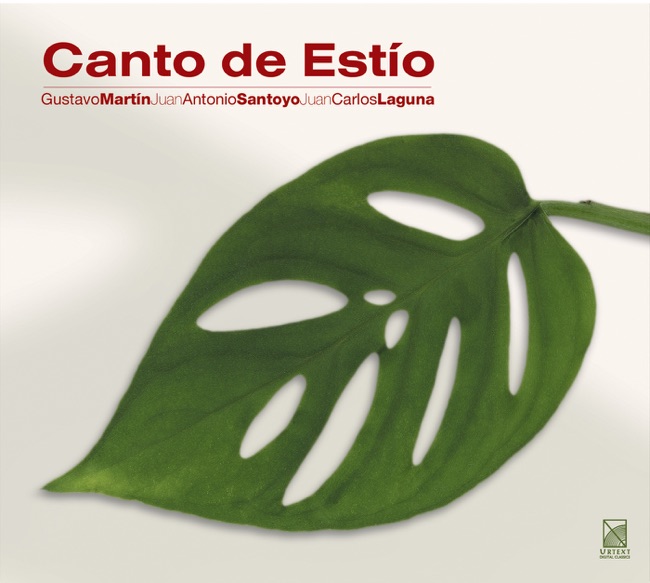 March 14, 2006
 -
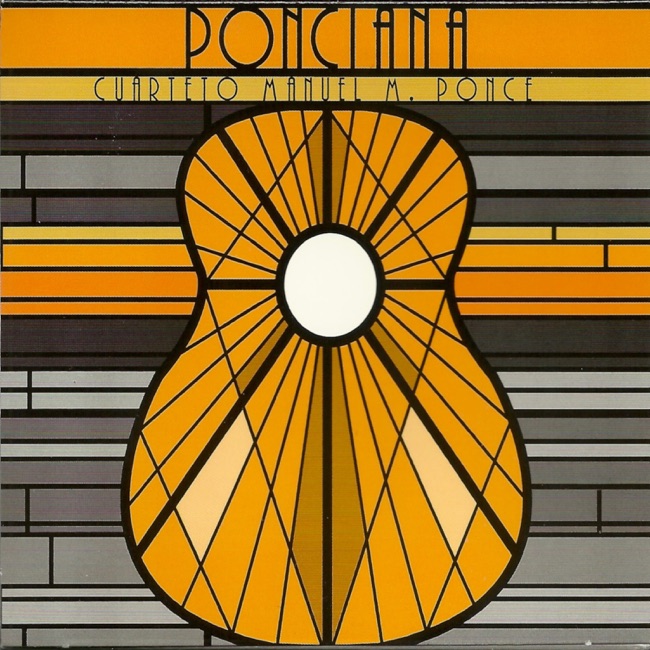 November 22, 2005
Vocal
-
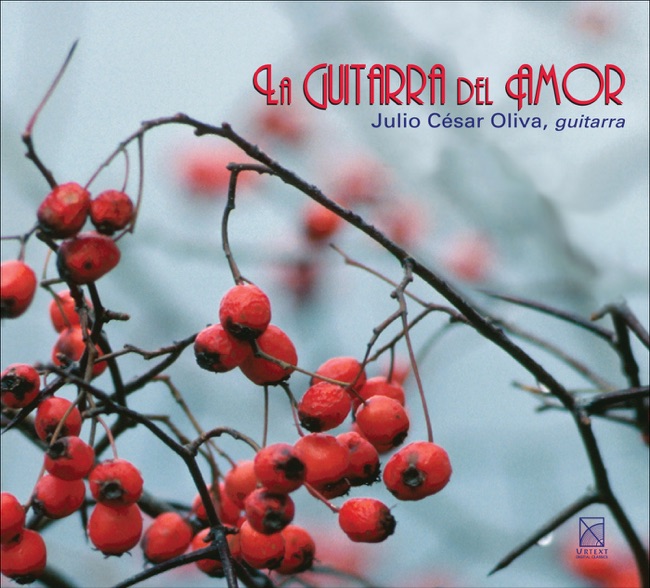 March 30, 2010
 -
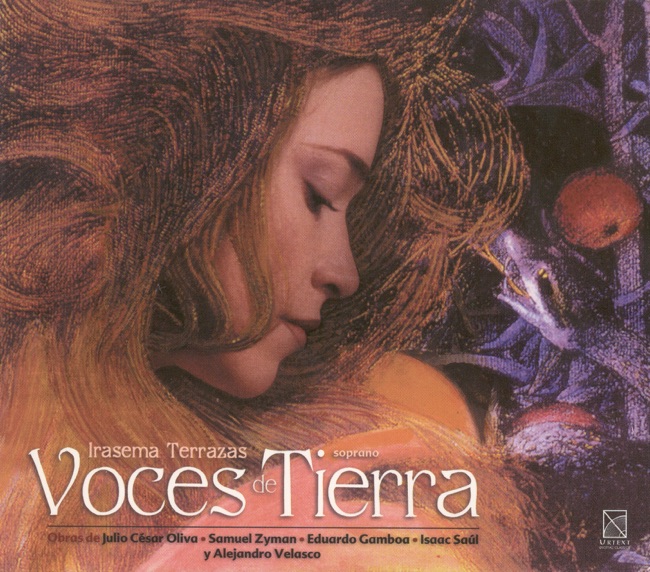 July 11, 2006
Artist Info
Role:ComposerBirth:1947Genre:ChamberJulio César Oliva was a renowned classical music composer born on August 12, 1937, in Buenos Aires, Argentina. He was the youngest of three siblings and grew up in a family that was passionate about music. His father was a pianist, and his mother was a singer, which exposed him to music at a young age. Oliva's interest in music began when he was just five years old. He started playing the piano and showed a natural talent for it. His parents recognized his potential and encouraged him to pursue music as a career. At the age of eight, he began taking formal piano lessons and later studied composition at the National Conservatory of Music in Buenos Aires. Oliva's early compositions were heavily influenced by the works of Argentine composer Alberto Ginastera. He was also inspired by the music of other great composers such as Bach, Beethoven, and Mozart. His compositions were characterized by their complex harmonies, intricate rhythms, and use of traditional Argentine folk music. In 1960, Oliva moved to Paris to study with renowned composer Nadia Boulanger. Boulanger was impressed with Oliva's talent and encouraged him to continue composing. During his time in Paris, Oliva was exposed to a wide range of musical styles, which helped him develop his unique voice as a composer. Oliva's compositions were well-received by audiences and critics alike. His works were performed by some of the world's leading orchestras, including the New York Philharmonic, the London Symphony Orchestra, and the Berlin Philharmonic. He also received numerous awards and honors for his contributions to classical music. One of Oliva's most famous works is his Piano Concerto No. 1, which was composed in 1965. The concerto is characterized by its virtuosic piano writing and use of traditional Argentine folk music. It has been performed by some of the world's leading pianists, including Martha Argerich and Daniel Barenboim. Another notable work by Oliva is his Symphony No. 1, which was composed in 1972. The symphony is a powerful and emotional work that reflects Oliva's deep love for his homeland. It has been performed by orchestras around the world and is considered one of Oliva's greatest achievements as a composer. Oliva's music was also featured in several films, including the 1978 film "The Last Tango in Paris." His hauntingly beautiful score for the film helped to establish him as one of the most talented composers of his generation. Throughout his career, Oliva remained dedicated to his craft and continued to compose until his death in 1994. His contributions to classical music have had a lasting impact on the genre and continue to inspire new generations of composers and musicians. In conclusion, Julio César Oliva was a gifted composer who left an indelible mark on the world of classical music. His unique voice and innovative approach to composition have made him one of the most important figures in the genre. His works continue to be performed and celebrated around the world, and his legacy as a composer will undoubtedly endure for generations to come.More....
Recent Artist Music



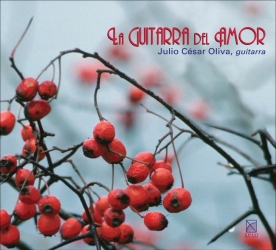

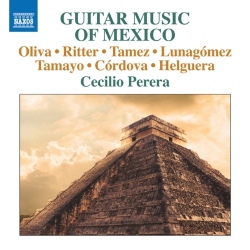
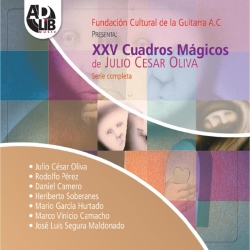

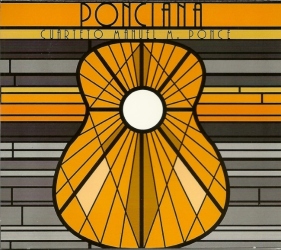


Copyright Ⓒ 2013 Davinci Finger. All rights reseved
Service Terms & Policy