


Lewis Nielson
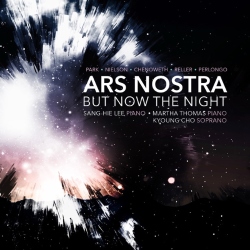
Released Album
Chamber
-
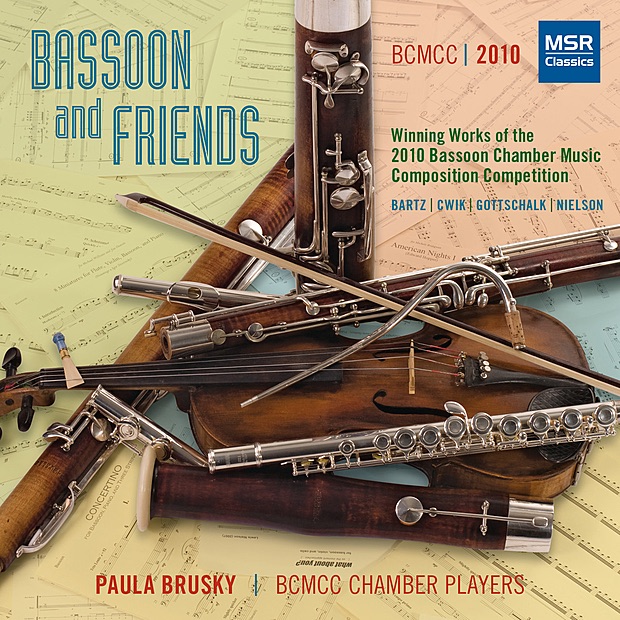 August 9, 2011
 -
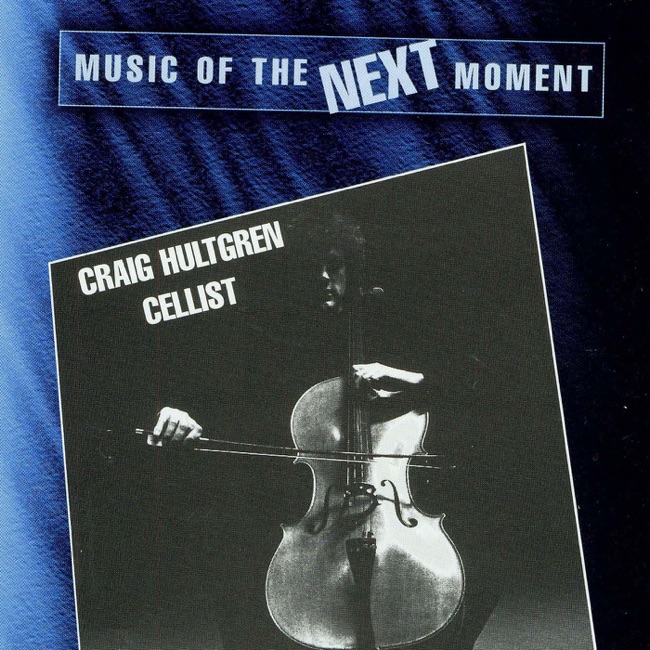 January 1, 1995
Concerto
-
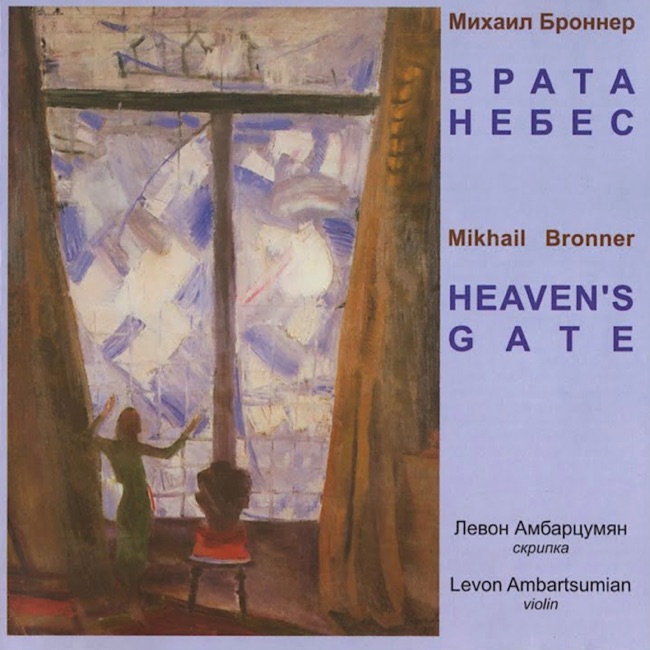 September 30, 2008
 -
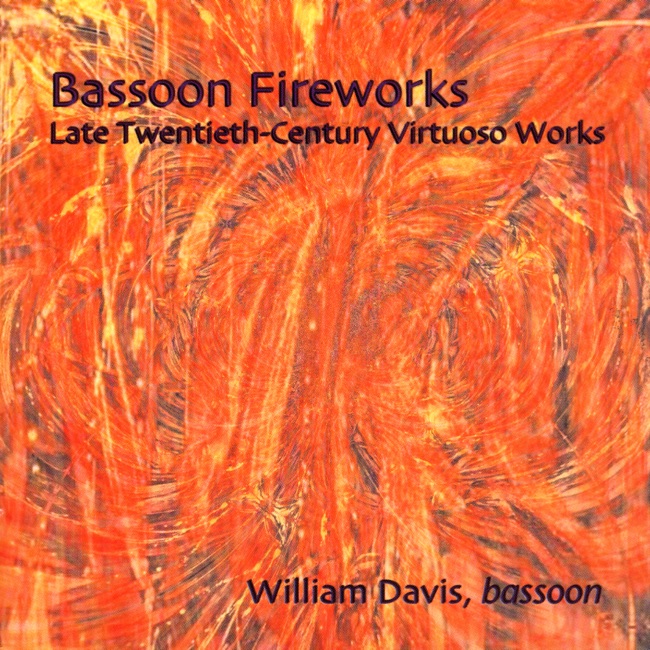 October 28, 2003
Keyboard
-
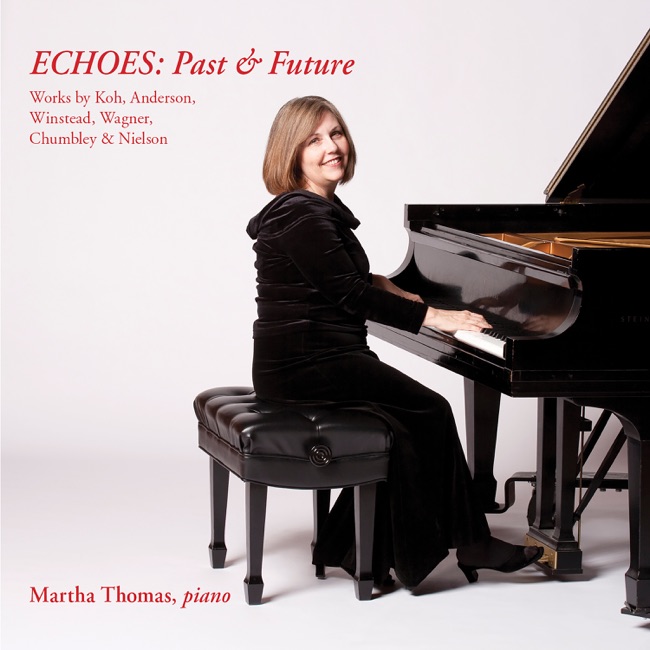 July 9, 2021
 -
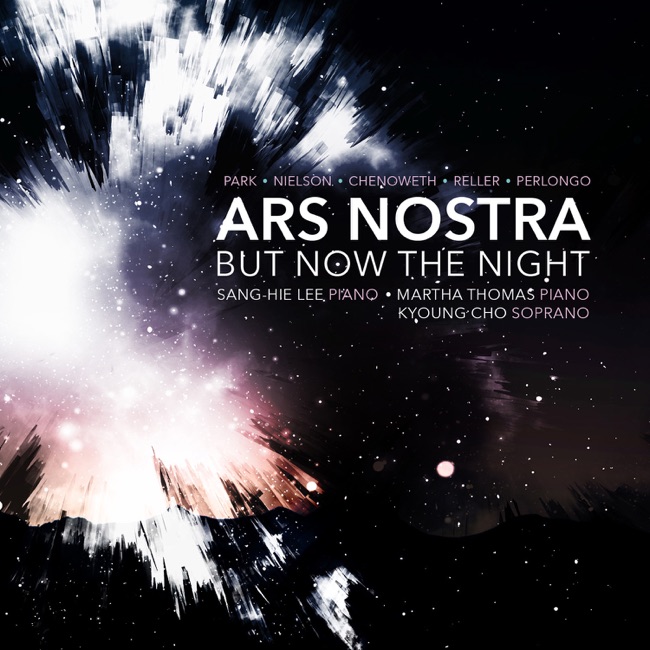 October 14, 2016
Orchestral
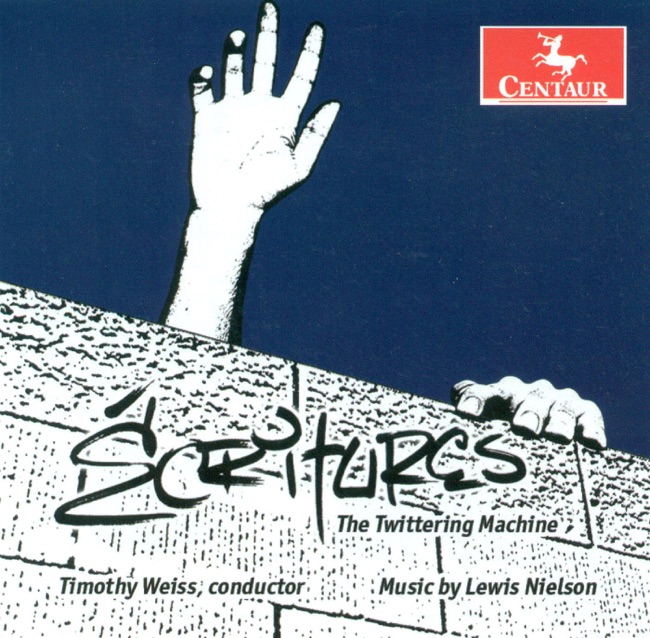
Artist Info
Role:Composer ConductorBirth:1950Period:ContemporaryGenre:Avant-GardeChamberOrchestralLewis Nielson was an American composer of contemporary classical music. He was born on December 28, 1950, in New York City, and grew up in a family of musicians. His father was a jazz pianist, and his mother was a classical pianist. Nielson began playing the piano at a young age and showed an early interest in composition. Nielson studied music at the University of California, San Diego, where he earned a Bachelor of Arts degree in 1972 and a Master of Fine Arts degree in 1974. He studied with composers such as Robert Erickson, Pauline Oliveros, and Kenneth Gaburo, who were known for their experimental and avant-garde approaches to music. Nielson's early works were influenced by the experimental music of the 1960s and 1970s, particularly the work of John Cage and Morton Feldman. His compositions often featured unconventional instrumentation and extended techniques, such as using prepared piano or incorporating electronic sounds. One of Nielson's early works, "The Range of Light," was composed in 1975 and featured a chamber ensemble of flute, clarinet, violin, cello, and piano. The piece was inspired by the natural beauty of the Sierra Nevada mountains and used unconventional techniques such as playing the strings of the piano with a bow. In the 1980s, Nielson's music began to incorporate more traditional elements of classical music, such as tonality and melody. His compositions also became more focused on the human voice, and he began to incorporate text and vocal performance into his works. One of Nielson's most well-known works is "The Bell," which was composed in 1986 and features a chamber ensemble of flute, clarinet, violin, cello, piano, and percussion. The piece is based on a poem by John Donne and explores themes of mortality and the passage of time. The work has been performed by numerous ensembles and has been praised for its haunting beauty and emotional depth. Another notable work by Nielson is "The Passion According to G.H.," which was composed in 1993 and is based on the novel by Clarice Lispector. The work features a soprano soloist and a chamber ensemble and explores themes of identity, spirituality, and the nature of existence. Throughout his career, Nielson was known for his innovative and experimental approach to composition. He often collaborated with other artists, including dancers, visual artists, and poets, to create interdisciplinary works that pushed the boundaries of traditional classical music. Nielson's music has been performed by numerous ensembles and orchestras, including the San Francisco Symphony, the New York Philharmonic, and the Los Angeles Philharmonic. He was also a respected teacher and mentor, and he taught composition at the University of California, San Diego, for over 30 years. Nielson passed away on December 29, 2018, at the age of 68. His legacy as a composer and innovator in contemporary classical music continues to inspire and influence musicians and audiences around the world.More....
Recent Artist Music
Copyright Ⓒ 2013 Davinci Finger. All rights reseved
Service Terms & Policy