


Ali Ufki
Released Album
Vocal
-
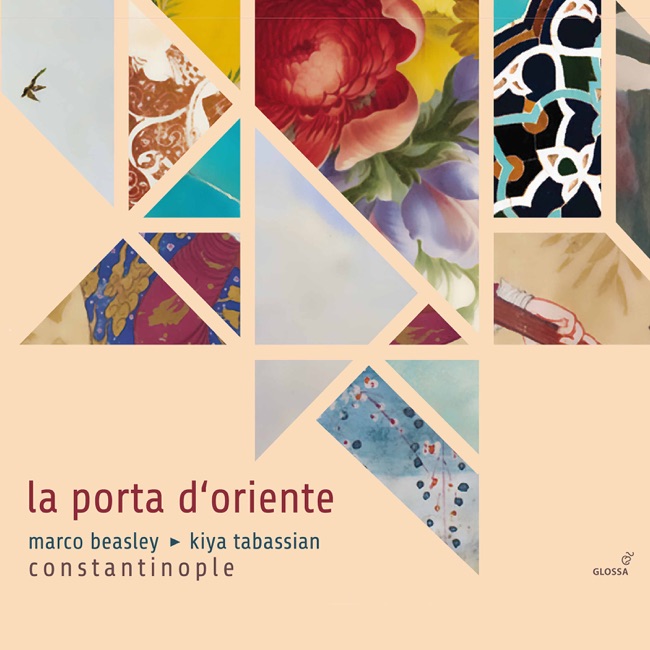 June 26, 2020
Chamber
-
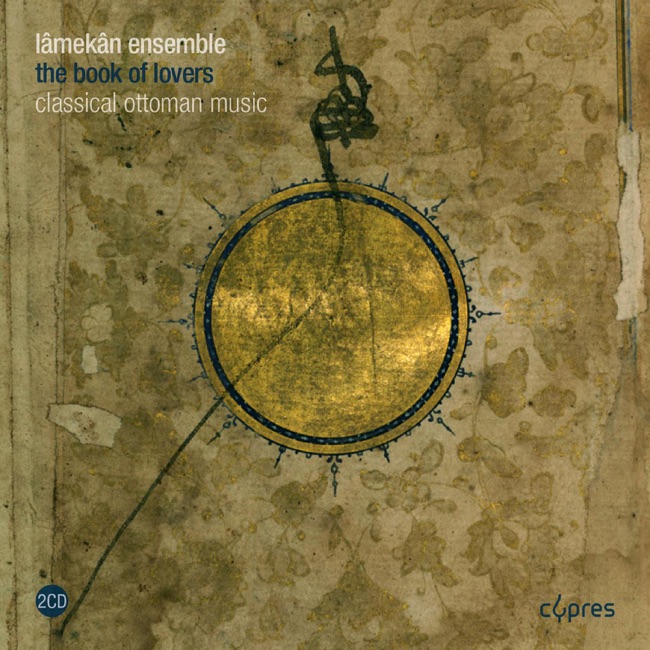 May 26, 2017
Choral
-
 October 11, 2005
Artist Info
Role:ComposerBirth:1610 in Lwów, PolandDeath:1675Period:BaroqueClassicalGenre:OperaSymphonyVocalAli Ufki was a prominent composer of classical music who lived during the 17th century. He was born in Istanbul, Turkey, in the year 1610. His real name was Wojciech Bobowski, and he was of Polish origin. He was born to a noble family, and his father was a diplomat who served in the Ottoman Empire. Ali Ufki was raised in a multicultural environment, and he was exposed to different languages and cultures from an early age. Ali Ufki showed an interest in music from a young age, and he received his early musical training in Istanbul. He learned to play the lute, the oud, and the violin, and he also studied music theory and composition. He was a talented musician, and he soon became known for his skills as a performer and composer. In 1635, Ali Ufki was appointed as the court musician to the Ottoman Sultan Murad IV. He served in this position for several years, and he composed many pieces of music for the court. He also traveled extensively throughout the Ottoman Empire, performing and composing music for various rulers and dignitaries. In 1650, Ali Ufki converted to Christianity and became a member of the Roman Catholic Church. He moved to Poland, where he continued to compose music and perform for the court. He also became a translator, and he translated many works of literature and music from Turkish and Arabic into Polish and Latin. One of Ali Ufki's most significant contributions to classical music was his collection of Ottoman music, which he transcribed and arranged for European instruments. This collection, known as the "Mecmua-i Saz ü Söz" (Collection of Instrumental and Vocal Music), was published in 1666 in Amsterdam. It was the first collection of Ottoman music to be published in Europe, and it had a significant impact on the development of classical music in the West. The "Mecmua-i Saz ü Söz" contains over 300 pieces of music, including instrumental pieces, vocal pieces, and dance music. The music is arranged for European instruments such as the violin, the lute, and the harpsichord, and it is written in European notation. The collection also includes translations of the lyrics into Latin, French, and Italian. Ali Ufki's collection of Ottoman music was highly influential in Europe, and it inspired many composers to incorporate elements of Turkish music into their own compositions. One of the most famous examples of this is Mozart's "Rondo alla Turca," which was inspired by the Turkish music in Ali Ufki's collection. In addition to his collection of Ottoman music, Ali Ufki also composed many original works of classical music. His compositions include instrumental pieces, vocal pieces, and operas. One of his most famous works is the opera "Celal üd-Din," which was composed in 1666 and performed in Warsaw. The opera tells the story of a Turkish prince who converts to Christianity and becomes a monk. Ali Ufki's music is characterized by its fusion of Turkish and European musical styles. He was able to combine the complex rhythms and melodic structures of Turkish music with the harmonic and formal structures of European music. His music is also notable for its use of improvisation and ornamentation, which were common features of Turkish music. Ali Ufki died in 1675 in Warsaw, Poland. He left behind a legacy of music that continues to inspire and influence musicians to this day. His collection of Ottoman music was a groundbreaking achievement that helped to bridge the gap between Eastern and Western music.More....
Recent Artist Music

Copyright Ⓒ 2013 Davinci Finger. All rights reseved
Service Terms & Policy