


Jesús Monasterio
Released Album
Orchestral
-
 May 29, 2007
Choral
-
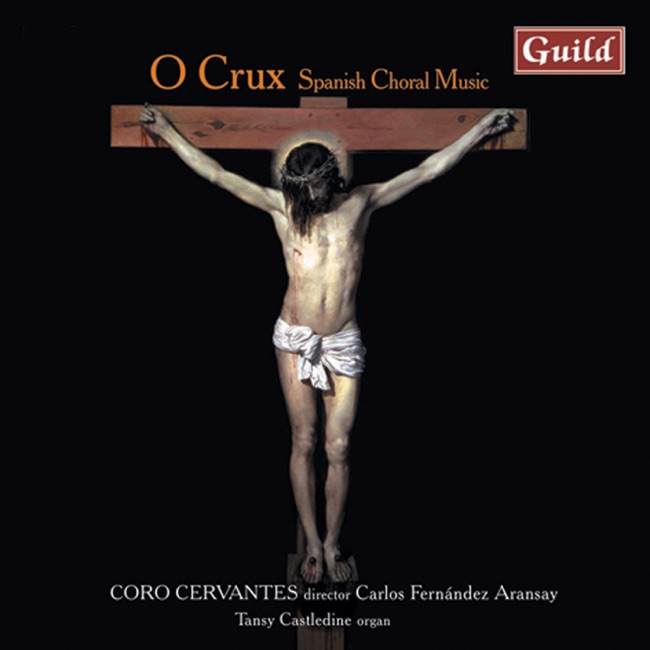 April 29, 2002
Artist Info
Role:ComposerCountry: SpainBirth:March 21, 1836 in PotesDeath:September 28, 1903 in Casar de PeriedoPeriod:RomanticGenre:ChamberChoralJesús Monasterio was a Spanish composer born on December 29, 1836, in the city of Bilbao, located in the Basque Country. He was the son of a music teacher, and from a young age, he showed a great interest in music. His father, who recognized his son's talent, began to teach him the basics of music theory and piano. At the age of 14, Monasterio moved to Madrid to continue his musical studies. He enrolled in the Royal Conservatory of Music, where he studied composition with the renowned composer and conductor, Francisco Asenjo Barbieri. Monasterio was a brilliant student, and he quickly became one of the most promising young composers of his generation. In 1858, Monasterio completed his studies at the Royal Conservatory of Music, and he began his career as a composer. His first works were mainly vocal pieces, such as songs and choral works. However, he soon began to compose instrumental music, including chamber music and orchestral works. One of Monasterio's most significant works is his Symphony in D minor, which he composed in 1861. The symphony is a powerful and dramatic work that showcases Monasterio's skill as a composer. It was well-received by audiences and critics alike, and it helped establish Monasterio's reputation as one of Spain's leading composers. Monasterio continued to compose throughout his life, and he produced a wide range of works in various genres. He wrote operas, ballets, chamber music, and orchestral works, among others. His music was characterized by its lyricism, its use of Spanish folk melodies, and its dramatic intensity. One of Monasterio's most famous works is his opera, La Gioconda, which he composed in 1870. The opera is based on a play by Victor Hugo, and it tells the story of a woman who is torn between two lovers. The opera was a great success, and it was performed throughout Spain and in other countries. Monasterio's music was also influenced by his political beliefs. He was a supporter of the liberal movement in Spain, and he used his music to express his political views. One of his most famous works in this regard is his cantata, La Patria, which he composed in 1868. The cantata is a patriotic work that celebrates the ideals of freedom and democracy. Monasterio's music was also influenced by his religious beliefs. He was a devout Catholic, and he composed a number of religious works, including masses, motets, and hymns. His religious music was characterized by its solemnity and its use of traditional Catholic melodies. Monasterio died on November 12, 1903, in Madrid, at the age of 66. He left behind a rich legacy of music that continues to be performed and appreciated today. His music is an important part of the Spanish classical music tradition, and it has influenced generations of Spanish composers.More....
Recent Artist Music
Copyright Ⓒ 2013 Davinci Finger. All rights reseved
Service Terms & Policy