


John Weaver
Released Album
Keyboard
-
 December 8, 2015
 -
 October 24, 2000
 -
 2000
2000 -
Chamber
-
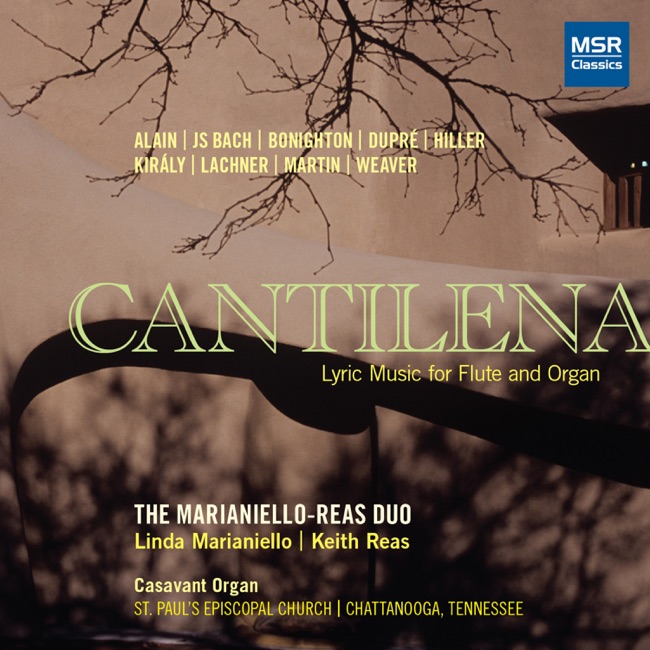 May 10, 2011
 -
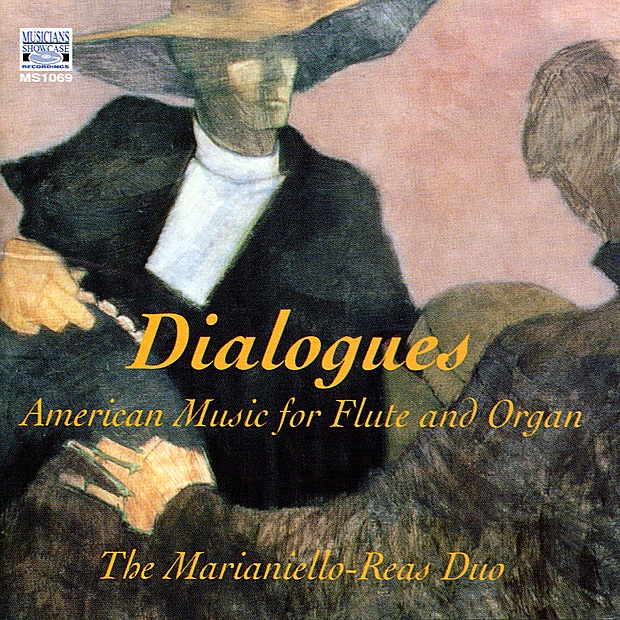 August 26, 2003
 -
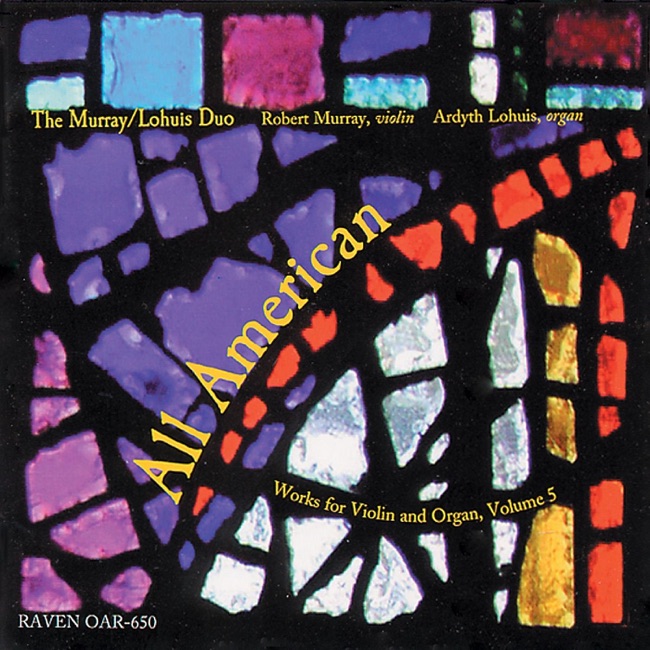 June 24, 2003
Artist Info
Role:ComposerBirth:1937Period:ContemporaryGenre:ChamberKeyboardJohn Weaver was a prominent classical music composer who lived from 1937 to 2016. He was born in the United States and grew up in a family of musicians. His father was a pianist and his mother was a singer, and they both encouraged him to pursue music from a young age. Weaver began his formal music education at the age of six, when he started taking piano lessons. He quickly showed a talent for the instrument and began composing his own music soon after. By the time he was a teenager, he had already written several pieces for piano and had started experimenting with other instruments as well. After completing high school, Weaver went on to study music at the Juilliard School in New York City. There, he focused on composition and studied under some of the most renowned composers of the time. He also continued to perform on the piano and other instruments, and he often incorporated his own compositions into his recitals. Weaver's early works were heavily influenced by the classical music of the 18th and 19th centuries. He was particularly drawn to the works of Mozart, Beethoven, and Brahms, and he often incorporated elements of their styles into his own compositions. However, as he continued to develop as a composer, he began to experiment with more modern styles and techniques. One of Weaver's most notable works from his early career is his Piano Sonata No. 1, which he composed while still a student at Juilliard. The piece is a four-movement work that showcases Weaver's technical skill on the piano as well as his ability to create complex and emotionally charged compositions. The sonata was well-received by critics and helped establish Weaver as a rising star in the classical music world. After completing his studies at Juilliard, Weaver began to focus more on composing and less on performing. He moved to Europe for a time, where he was exposed to a wide range of musical styles and traditions. He also began to incorporate more experimental techniques into his compositions, such as serialism and atonality. One of Weaver's most significant works from this period is his Symphony No. 1, which he composed in the early 1960s. The piece is a large-scale work that showcases Weaver's ability to create complex and intricate compositions that are both intellectually stimulating and emotionally powerful. The symphony was well-received by critics and helped establish Weaver as a leading figure in the contemporary classical music scene. Throughout the 1970s and 1980s, Weaver continued to compose prolifically and experiment with new styles and techniques. He also began to incorporate more electronic elements into his compositions, such as synthesizers and computer-generated sounds. One of his most notable works from this period is his String Quartet No. 3, which features a combination of traditional string quartet instrumentation and electronic sounds. In the 1990s and 2000s, Weaver's compositions became more introspective and reflective. He began to focus more on creating works that were emotionally resonant and that explored the human experience in a more profound way. One of his most significant works from this period is his Requiem, which he composed in memory of his father. The piece is a deeply moving work that showcases Weaver's ability to create music that is both beautiful and deeply affecting. Weaver continued to compose up until his death in 2016. His legacy as a composer is one of innovation, experimentation, and emotional depth.More....
Recent Artist Music
3
7:1

Copyright Ⓒ 2013 Davinci Finger. All rights reseved
Service Terms & Policy