


Bozidar Kunc
Released Album
Vocal
-
 May 13, 2008
 -
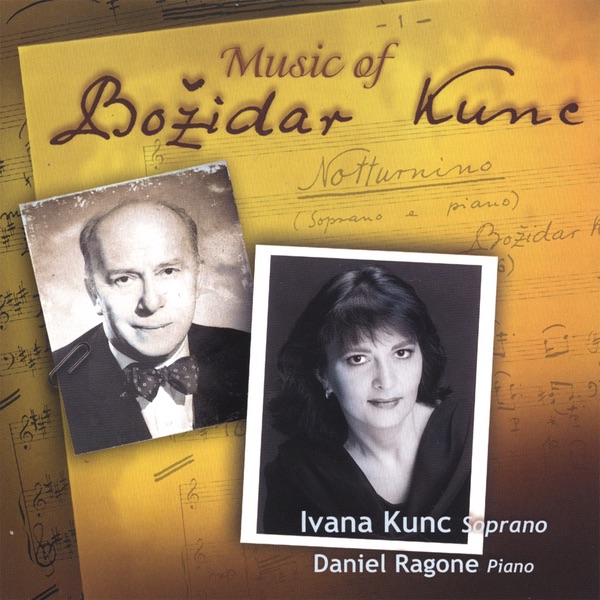 August 28, 2007
 -
 October 25, 2005
Keyboard
-
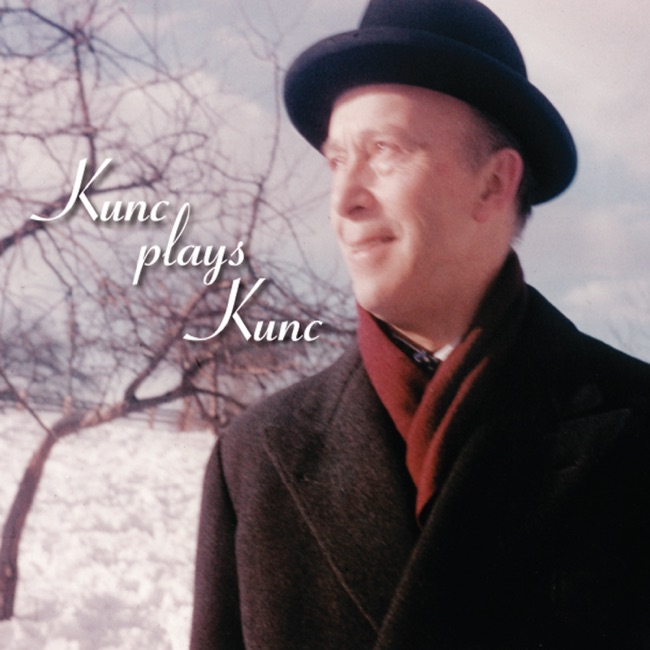 December 10, 2013
Chamber
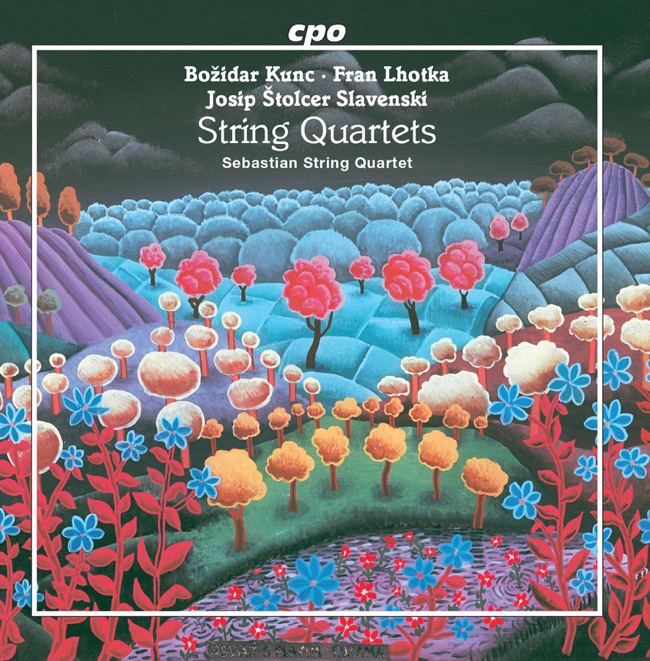
Artist Info
Role:ComposerBirth:July 18, 1903Death:April 1, 1964Period:RomanticModernGenre:VocalBozidar Kunc was a prominent classical music composer born on January 16, 1903, in the town of Varaždin, Croatia. He was the son of a music teacher, and his father's influence played a significant role in his early musical education. Kunc began playing the piano at a young age and showed a natural talent for music. He went on to study at the Zagreb Academy of Music, where he received a degree in composition. Kunc's early works were heavily influenced by the Romantic era, and he was particularly drawn to the music of Richard Wagner. However, as he matured as a composer, he began to develop his own unique style, which blended elements of Romanticism with modernist techniques. Kunc's music was characterized by its lush harmonies, intricate counterpoint, and expressive melodies. One of Kunc's most significant early works was his Piano Concerto No. 1, which he composed in 1927. The concerto was well-received by audiences and critics alike and helped establish Kunc as a rising star in the world of classical music. He went on to compose several other notable works during this period, including his Symphony No. 1 and his String Quartet No. 1. In the 1930s, Kunc began to experiment with incorporating folk music into his compositions. He was particularly interested in the music of his native Croatia and drew inspiration from traditional Croatian melodies and rhythms. This interest in folk music is evident in works such as his Croatian Rhapsody and his Suite for Orchestra, which both feature elements of Croatian folk music. During World War II, Kunc was forced to flee Croatia due to his opposition to the fascist regime that had taken control of the country. He spent several years living in exile in Italy before eventually settling in the United States in 1949. Despite the upheaval of his personal life, Kunc continued to compose prolifically during this period. He wrote several works that were inspired by his experiences of displacement and exile, including his Symphony No. 2 and his String Quartet No. 2. In the 1950s and 1960s, Kunc's music began to receive more widespread recognition. He won several awards and honors, including the Guggenheim Fellowship and the American Academy of Arts and Letters Music Award. His music was performed by some of the most prestigious orchestras and ensembles in the world, including the New York Philharmonic and the Boston Symphony Orchestra. One of Kunc's most famous works is his Symphony No. 3, which he composed in 1961. The symphony is notable for its use of a large orchestra and its complex, multi-layered textures. It is considered one of Kunc's most ambitious and challenging works, and it has been praised for its emotional depth and technical virtuosity. Kunc continued to compose well into his later years, and he remained an active and influential figure in the world of classical music until his death in 1964. His legacy as a composer is characterized by his unique blend of Romanticism and modernism, his incorporation of folk music into his compositions, and his ability to create works that are both emotionally powerful and technically complex. Today, Kunc is remembered as one of the most important Croatian composers of the 20th century, and his music continues to be performed and celebrated by musicians and audiences around the world.More....
Copyright Ⓒ 2013 Davinci Finger. All rights reseved
Service Terms & Policy