


Gustav Bumcke
Released Album
Chamber
-
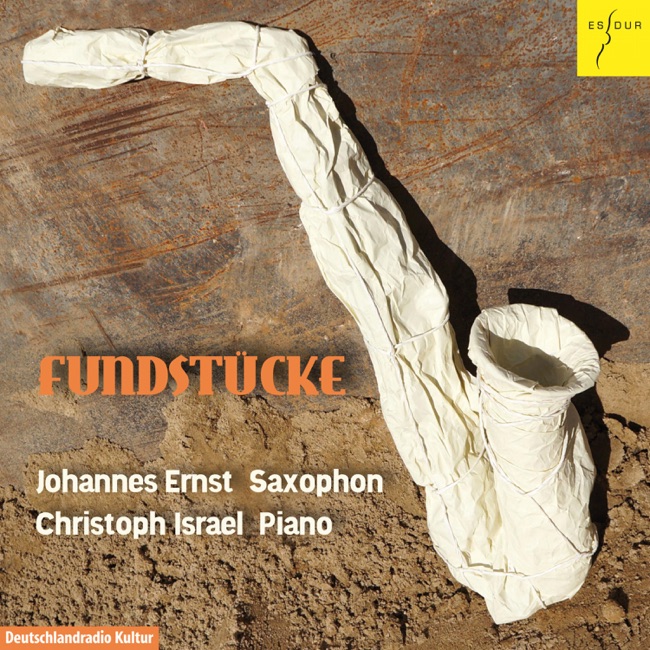 February 3, 2015
 -
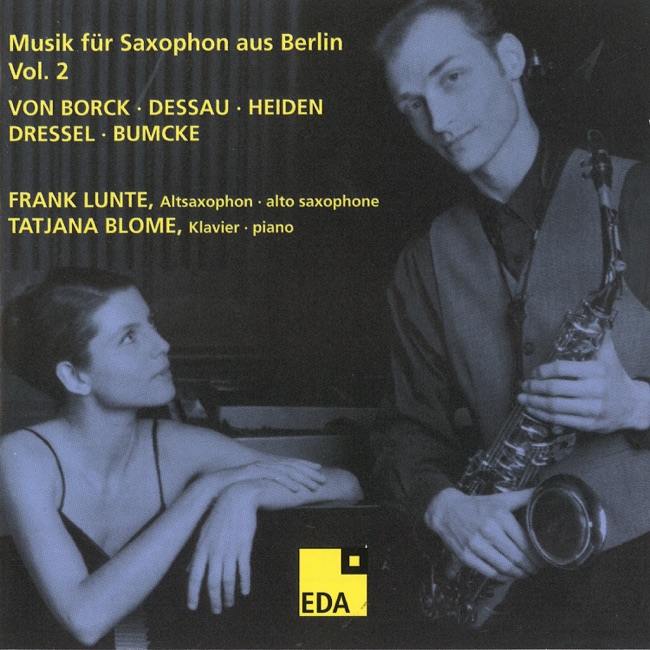 December, 2003
Artist Info
Role:ComposerBirth:1876Death:1963Genre:ChamberGustav Bumcke was a German composer who lived from 1867 to 1940. He was born in the city of Berlin, where he spent most of his life. Bumcke was the son of a musician, and he showed an early interest in music. He began studying piano and composition at a young age, and he quickly showed a talent for both. Bumcke's early musical education was focused on the classical tradition. He studied the works of Bach, Mozart, and Beethoven, and he was particularly drawn to the music of Brahms. Bumcke's early compositions were heavily influenced by these composers, and he developed a style that was both traditional and innovative. In his early twenties, Bumcke began to gain recognition as a composer. His works were performed in Berlin and other cities in Germany, and he received positive reviews from critics. Bumcke's music was praised for its clarity, its emotional depth, and its technical skill. One of Bumcke's early successes was his Piano Sonata No. 1, which was premiered in Berlin in 1891. The sonata was well-received by audiences and critics, and it established Bumcke as a composer to watch. The sonata is a complex and challenging work, with intricate harmonies and rhythms that showcase Bumcke's technical skill. Over the next few years, Bumcke continued to compose and perform. He wrote a number of chamber works, including string quartets and piano trios, as well as larger works such as symphonies and operas. Bumcke's music was characterized by its emotional intensity and its use of traditional forms and structures. In 1901, Bumcke was appointed as a professor of composition at the Berlin Conservatory. This was a prestigious position, and it gave Bumcke the opportunity to teach and mentor young composers. Bumcke was a demanding teacher, but he was also deeply committed to his students. Many of his students went on to become successful composers in their own right. One of Bumcke's most famous works is his Symphony No. 2, which was premiered in 1905. The symphony is a powerful and emotional work, with sweeping melodies and complex harmonies. It is considered one of Bumcke's masterpieces, and it has been performed and recorded many times over the years. Bumcke continued to compose and teach throughout the early 20th century. He wrote a number of operas, including the popular Die Stadt am Meer, which was premiered in 1910. He also wrote a number of choral works, including the powerful Requiem for the Fallen, which was premiered in 1922. In the 1930s, Bumcke's life was affected by the rise of the Nazi party in Germany. Bumcke was a well-respected composer, but he was also Jewish, and he was increasingly marginalized by the government. Bumcke's music was banned from public performance, and he was forced to flee Germany in 1938. Bumcke spent the last years of his life in exile in Switzerland. He continued to compose, but his output was limited by his failing health. Bumcke died in 1940, at the age of 73. Today, Gustav Bumcke is remembered as one of the great composers of the late Romantic era. His music is characterized by its emotional intensity, its technical skill, and its use of traditional forms and structures. Bumcke's works continue to be performed and recorded, and they remain an important part of the classical music canon.More....
Recent Artist Music

Copyright Ⓒ 2013 Davinci Finger. All rights reseved
Service Terms & Policy