


Geoffrey Henman
Released Album
Orchestral
-
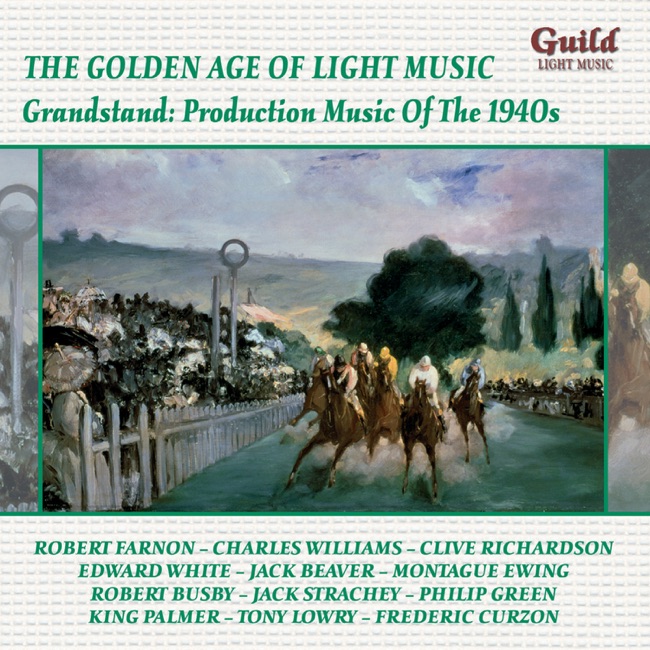
-
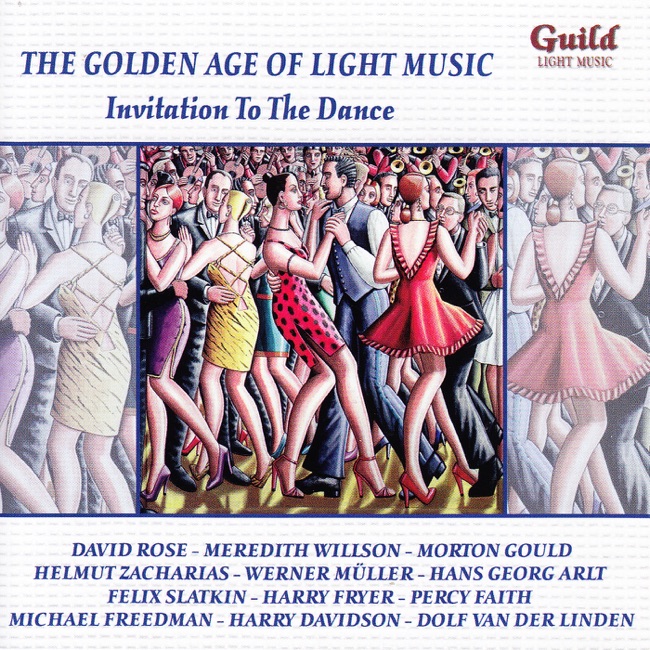 June 10, 2014
 -
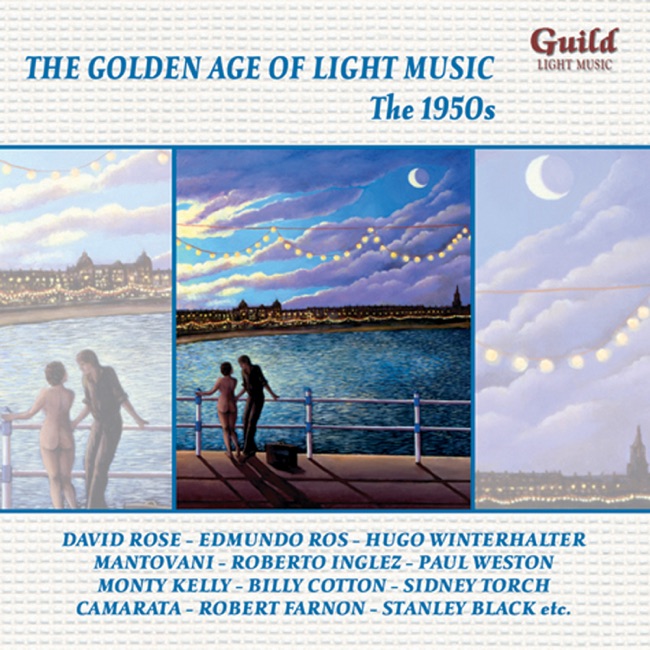 August 31, 2004
Artist Info
Role:ComposerGeoffrey Henman was a British classical music composer who was born on May 12, 1929, in London, England. He was the son of a music teacher and grew up in a musical family. His father was a pianist and his mother was a singer, and they both encouraged him to pursue a career in music. Henman began his musical education at an early age, studying piano and composition with his father. He later attended the Royal Academy of Music in London, where he studied composition with Alan Bush and piano with Harold Craxton. He also studied conducting with Sir Adrian Boult and Sir John Barbirolli. Henman's early compositions were influenced by the music of the Second Viennese School, particularly the works of Arnold Schoenberg and Anton Webern. He also drew inspiration from the music of Igor Stravinsky and Bela Bartok. His early works were characterized by their use of serialism and atonality. In the 1950s, Henman began to move away from serialism and began to incorporate tonal elements into his music. He also began to experiment with different forms and structures, including aleatoric and electronic music. His music became more accessible and melodic, while still retaining its modernist edge. One of Henman's most notable works is his Symphony No. 1, which was composed in 1957. The symphony is a large-scale work that is divided into four movements. It is characterized by its use of serialism and atonality, as well as its complex rhythms and textures. The symphony was well-received by critics and established Henman as a major figure in British contemporary music. In the 1960s, Henman began to incorporate electronic music into his compositions. He was one of the first British composers to experiment with electronic music, and his works in this genre were highly innovative. One of his most notable electronic works is his Tape Piece No. 1, which was composed in 1963. The piece is a collage of electronic sounds and was created using tape manipulation techniques. Henman's later works continued to explore new forms and structures. He was particularly interested in the use of chance and indeterminacy in music, and many of his works incorporate aleatoric elements. He also continued to experiment with electronic music, and his later works often combine acoustic and electronic sounds. Henman's music has been performed by many of the world's leading orchestras and ensembles, including the London Symphony Orchestra, the BBC Symphony Orchestra, and the Arditti Quartet. He was also a respected teacher and taught composition at the Royal Academy of Music and the University of York. Geoffrey Henman died on December 22, 1994, in London, England. He was a highly respected composer who made significant contributions to the development of contemporary music in Britain. His music continues to be performed and studied today, and he remains an important figure in the history of British classical music.More....
Copyright Ⓒ 2013 Davinci Finger. All rights reseved
Service Terms & Policy