


Louis Babin
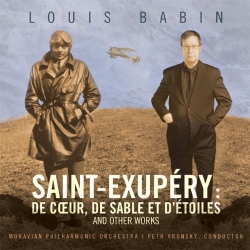
Released Album
Orchestral
-
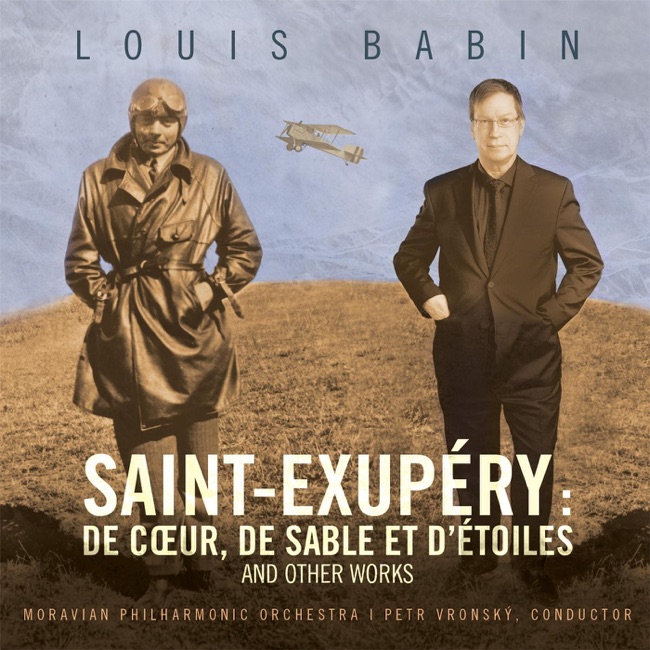
-
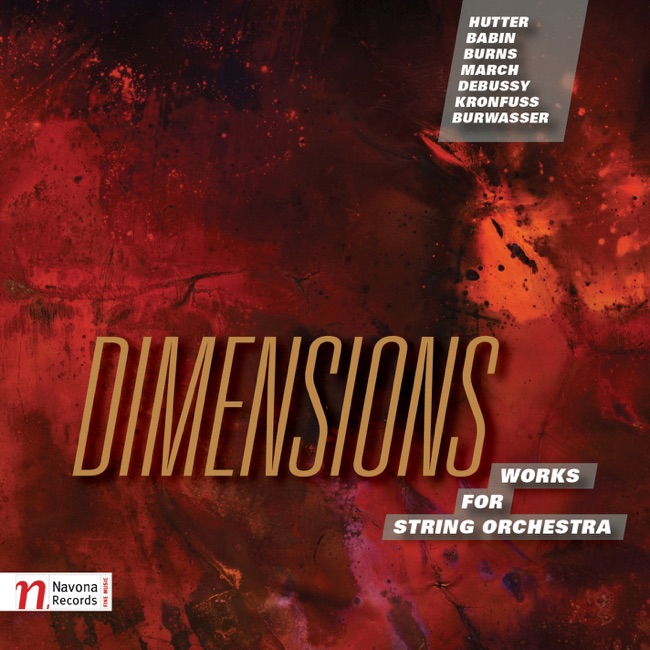 November 6, 2012
Chamber
-
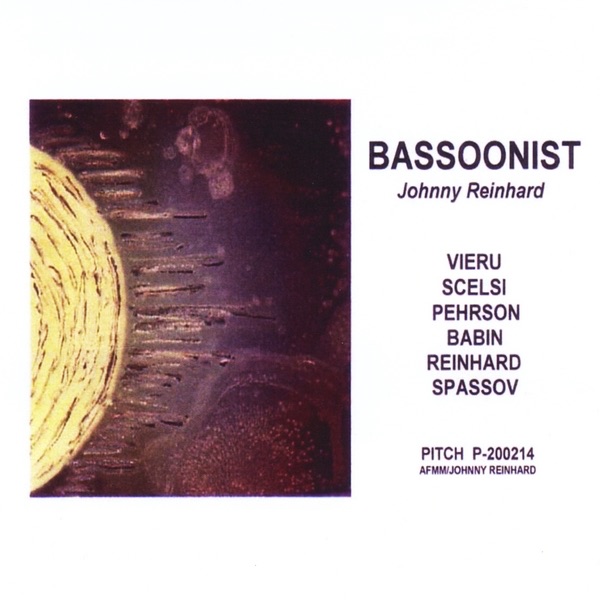 May 11, 2010
Artist Info
Role:Composer PerformerLouis Babin was a French-Canadian composer who was born on October 22, 1880, in Saint-Jean-sur-Richelieu, Quebec. He was the son of a music teacher and grew up in a musical family. Babin began his musical education at a young age, studying piano and violin with his father. He later studied at the Conservatoire de musique et d'art dramatique du Québec in Montreal, where he was a student of Guillaume Couture. Babin's early compositions were influenced by the French Romantic tradition, particularly the music of Gabriel Fauré. He also drew inspiration from the folk music of Quebec, incorporating elements of this music into his compositions. Babin's first major work was his Piano Trio in G minor, which he composed in 1905. The piece was well-received and helped establish Babin as a promising young composer. In 1907, Babin traveled to Paris to study at the Conservatoire de Paris. He studied composition with Charles-Marie Widor and organ with Louis Vierne. While in Paris, Babin was exposed to the music of Debussy, Ravel, and other French composers who were pushing the boundaries of traditional tonality. This exposure had a profound impact on Babin's own music, and he began to experiment with new harmonic and melodic ideas. Babin returned to Canada in 1910 and settled in Montreal. He quickly established himself as one of the leading composers in the country, and his music was performed regularly by the Montreal Symphony Orchestra and other ensembles. Babin's music was characterized by its lyricism, rich harmonies, and use of folk melodies. He was particularly interested in the music of the First Nations people of Canada and incorporated elements of this music into his compositions. One of Babin's most famous works is his Symphony in E-flat major, which he composed in 1918. The symphony is a large-scale work that showcases Babin's mastery of orchestration and his ability to create sweeping, dramatic melodies. The piece was premiered by the Montreal Symphony Orchestra in 1920 and was an immediate success. It remains one of Babin's most frequently performed works. Babin continued to compose throughout the 1920s and 1930s, producing a wide range of works in various genres. He wrote several operas, including La Fiancée du timbalier (The Drummer's Bride) and Le Père Noël (Father Christmas), as well as numerous chamber works and songs. Babin's music was often performed on the radio, and he became a well-known figure in Canadian musical circles. In addition to his work as a composer, Babin was also a respected music educator. He taught at the Conservatoire de musique du Québec from 1926 to 1945 and was a mentor to many young composers. Babin was known for his rigorous teaching style and his insistence on the importance of craftsmanship in composition. Babin's later works show a continued interest in folk music and the music of Canada's indigenous peoples. He also began to incorporate elements of jazz into his music, reflecting the influence of this popular music form on the culture of the time. Babin's final work, the String Quartet No. 3, was completed in 1949, just a few months before his death. Louis Babin was a significant figure in the development of classical music in Canada. His music reflects his deep love of his country and its people, and his commitment to creating a distinctively Canadian musical tradition.More....
Recent Artist Music
Copyright Ⓒ 2013 Davinci Finger. All rights reseved
Service Terms & Policy