


Anna Priscilla Risher
Released Album
Chamber
-
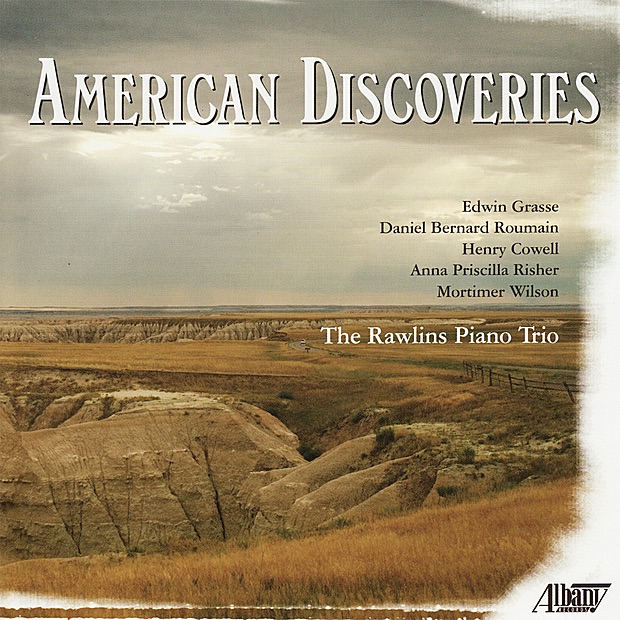 July 14, 2009
 -
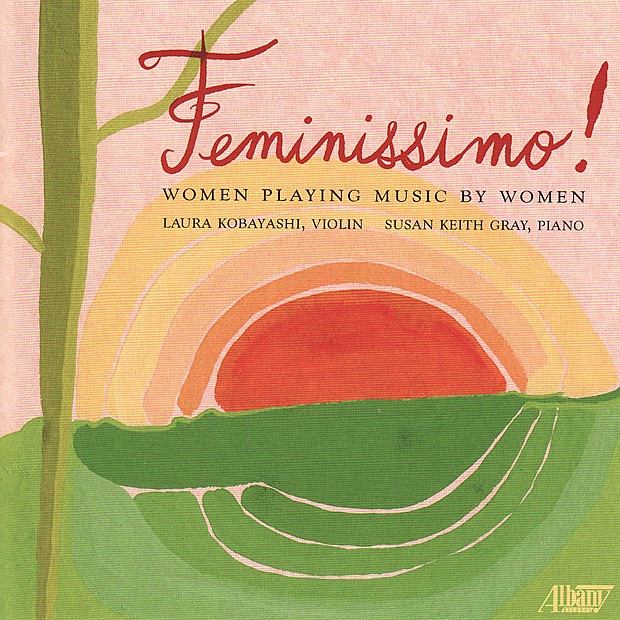 December 9, 2008
Artist Info
Role:ComposerBirth:1873Death:1945Anna Priscilla Risher was born on May 12, 1895, in New York City. She was the youngest of three children born to a family of musicians. Her father was a violinist and her mother was a pianist. From a young age, Risher showed a natural talent for music and began studying piano and composition with her mother. Risher's family moved to Europe when she was a teenager, and she continued her musical education there. She studied composition with some of the leading composers of the time, including Maurice Ravel and Claude Debussy. She also studied piano with Alfred Cortot and Arthur Schnabel. In 1914, Risher returned to the United States and began her career as a composer. Her early works were heavily influenced by the French Impressionist style that she had studied in Europe. She quickly gained a reputation as a talented composer, and her works were performed by some of the leading orchestras and ensembles of the time. One of Risher's most notable works from this period was her Piano Concerto No. 1, which was premiered by the New York Philharmonic in 1918. The concerto was praised for its lush harmonies and virtuosic piano writing, and it quickly became one of Risher's most popular works. In the 1920s, Risher began to explore new musical styles and techniques. She became interested in the music of the Second Viennese School, particularly the works of Arnold Schoenberg. She began incorporating atonal and serial techniques into her compositions, which caused some controversy among audiences and critics. Despite this controversy, Risher continued to push the boundaries of classical music. She became known for her innovative use of orchestration and her ability to blend different musical styles and techniques. One of her most notable works from this period was her Symphony No. 2, which was premiered by the Boston Symphony Orchestra in 1927. The symphony was praised for its complex harmonies and intricate orchestration. In the 1930s, Risher's music became more politically charged. She was a vocal critic of fascism and totalitarianism, and her music often reflected her political views. One of her most notable works from this period was her opera The Dictator, which was premiered in 1935. The opera was a scathing critique of totalitarianism and was praised for its powerful message and innovative use of music. During World War II, Risher continued to compose music that reflected her political views. She wrote several works that were inspired by the war, including her Symphony No. 3, which was premiered by the New York Philharmonic in 1943. The symphony was a tribute to the soldiers who had fought in the war and was praised for its emotional depth and powerful message. In the post-war period, Risher continued to compose music that reflected her political views. She became involved in the civil rights movement and wrote several works that were inspired by the struggle for racial equality. One of her most notable works from this period was her Symphony No. 4, which was premiered by the Chicago Symphony Orchestra in 1955. The symphony was a tribute to the civil rights movement and was praised for its powerful message and innovative use of music. Risher continued to compose music until her death in 1979. She was a pioneering composer who pushed the boundaries of classical music and used her music to express her political views.More....
Recent Artist Music
Copyright Ⓒ 2013 Davinci Finger. All rights reseved
Service Terms & Policy