


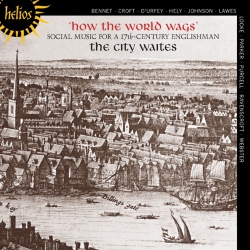
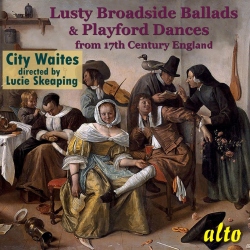
Thomas D'Urfey
Released Album
Vocal
-
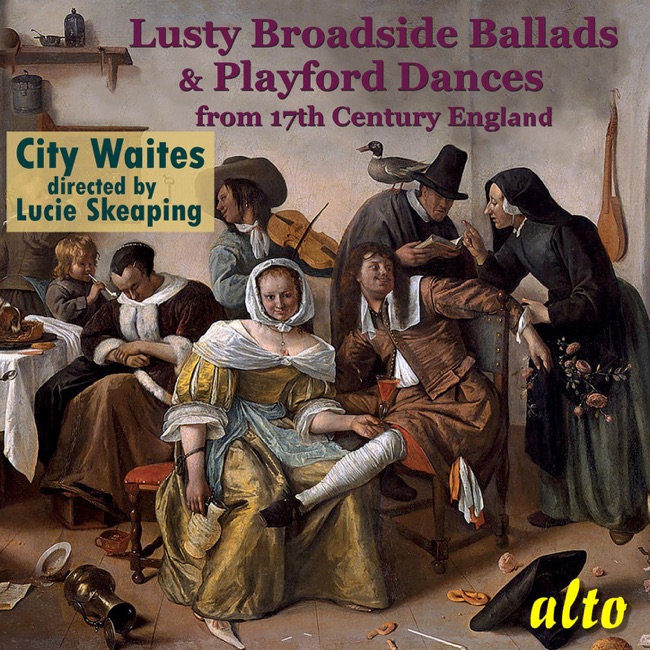 May 29, 2007
 -
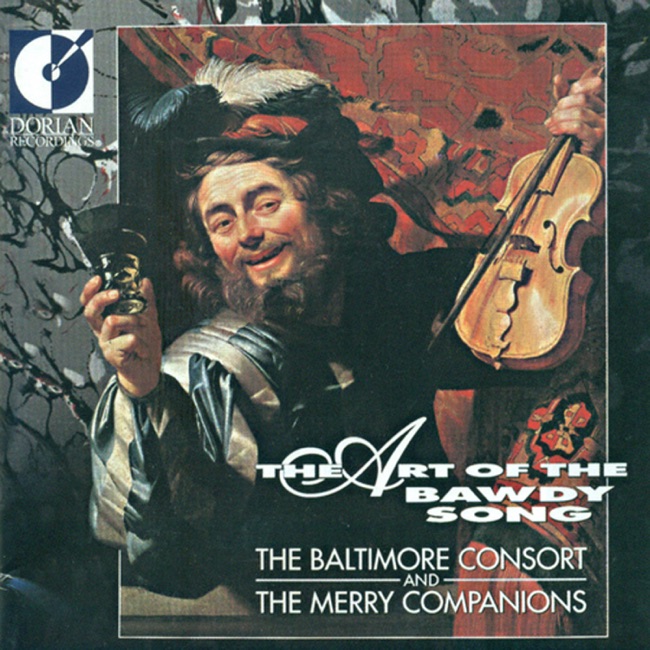 November, 1992
Artist Info
Role:ComposerDeath:1723Genre:ChoralVocalThomas D'Urfey was a prominent English composer, playwright, and poet who lived during the late 17th and early 18th centuries. He was born in Exeter, Devon, England, in 1653, and was the son of a French Huguenot refugee who had fled to England to escape religious persecution. D'Urfey's father was a silk merchant, and his mother was a musician who played the lute and sang. D'Urfey showed an early interest in music and began composing songs and ballads at a young age. He was educated at the Exeter Free Grammar School and later attended Oxford University, where he studied music and literature. After completing his studies, D'Urfey moved to London and began working as a professional musician and composer. D'Urfey's early musical works were primarily songs and ballads, which he composed for the popular London theaters and taverns. His songs were often humorous and satirical, and he became known for his ability to write catchy tunes and witty lyrics. In 1676, D'Urfey published his first collection of songs, entitled "Pills to Purge Melancholy," which became a bestseller and established him as a leading composer of popular music. In addition to his musical career, D'Urfey was also a prolific playwright and poet. He wrote over 30 plays, including "The Virtuous Wife," "The Injured Princess," and "The Comical History of Don Quixote." His plays were popular with audiences and were known for their bawdy humor and social commentary. D'Urfey's most famous work, however, was his opera "The Siege of Rhodes," which he wrote in collaboration with the composer Henry Purcell. The opera premiered in 1695 and was a huge success, running for 13 consecutive nights and establishing D'Urfey as a major figure in the English musical scene. Throughout his career, D'Urfey continued to compose songs and ballads, many of which were published in collections such as "Wit and Mirth, or Pills to Purge Melancholy" and "The New Poems, Songs, Prologues, and Epilogues." His songs were popular with both the aristocracy and the common people, and he was often invited to perform at the royal court. D'Urfey's music was characterized by its catchy melodies, witty lyrics, and use of popular musical forms such as the ballad and the dance tune. He was also known for his ability to write music that was both entertaining and socially relevant, often commenting on the political and social issues of his time. Despite his success as a composer and playwright, D'Urfey faced criticism from some quarters for the bawdy and irreverent nature of his work. In particular, his plays and songs were often accused of promoting immorality and undermining traditional values. However, D'Urfey defended his work, arguing that it was intended to provide entertainment and to reflect the realities of life in 17th-century England. D'Urfey continued to compose and perform music until his death in 1723. His legacy as a composer and playwright has endured, and his songs and plays continue to be performed and studied today. His work remains an important part of the English musical and literary traditions, and his influence can be seen in the work of later composers and writers.More....
Copyright Ⓒ 2013 Davinci Finger. All rights reseved
Service Terms & Policy