


Hans Huyssen
Released Album
Concerto
-
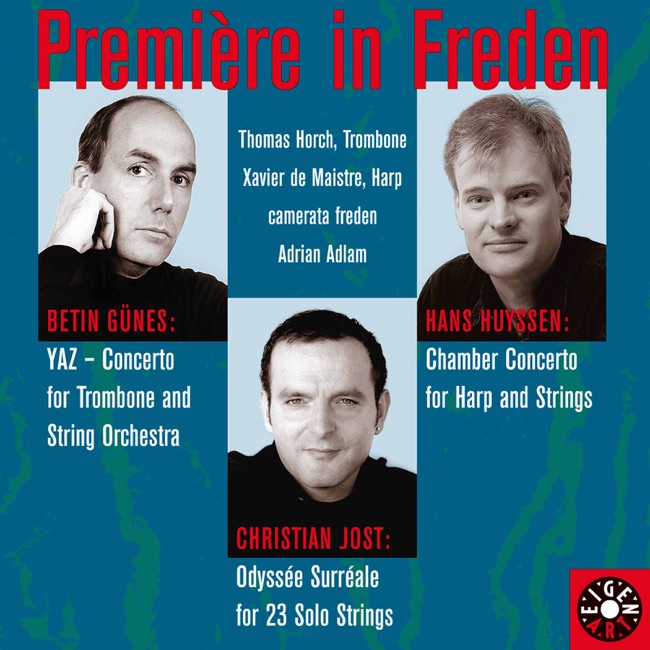 1998
1998
Choral
-
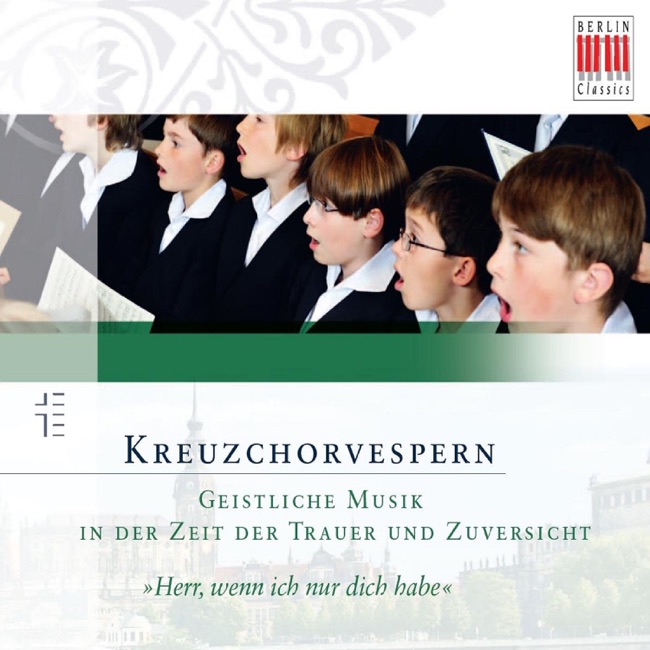 October 28, 2011
Artist Info
Role:ComposerGenre:ConcertoHans Huyssen was a German composer and pianist who lived from 1891 to 1965. He was born in the city of Essen, in the western part of Germany, and showed an early interest in music. His parents were both amateur musicians, and they encouraged him to pursue his passion for music from a young age. Huyssen began his formal musical education at the age of six, when he started taking piano lessons. He showed great talent and dedication, and soon became known as a prodigy in his hometown. He continued his studies at the Essen Conservatory, where he studied piano, composition, and music theory. After completing his studies at the conservatory, Huyssen moved to Berlin to further his musical education. He studied with some of the most renowned composers and pianists of the time, including Ferruccio Busoni and Max Reger. He also attended concerts and operas regularly, and was exposed to a wide range of musical styles and traditions. Huyssen's early compositions were heavily influenced by the German Romantic tradition, particularly the music of Brahms and Schumann. He wrote a number of piano pieces, songs, and chamber works during this period, many of which were well-received by audiences and critics alike. In the 1920s, Huyssen began to experiment with more modernist styles of composition. He was particularly interested in the music of Stravinsky and Schoenberg, and began incorporating elements of their styles into his own work. This led to a period of intense creativity, during which he wrote some of his most innovative and daring works. One of Huyssen's most famous works from this period is his Piano Sonata No. 2, which was premiered in 1927. The piece is a tour-de-force of modernist piano writing, featuring complex rhythms, dissonant harmonies, and virtuosic technical demands. It was hailed as a masterpiece by many critics, and cemented Huyssen's reputation as one of the leading composers of his generation. Huyssen continued to write prolifically throughout the 1930s and 1940s, despite the political turmoil and upheaval of the time. He was deeply committed to his art, and believed that music had the power to transcend political and social boundaries. One of his most notable works from this period is his Symphony No. 3, which was premiered in 1942. The piece is a powerful and emotional work, reflecting the turmoil and uncertainty of the times. It features sweeping melodies, lush harmonies, and dramatic contrasts of mood and tempo. Huyssen's music was not without controversy, however. His modernist tendencies and willingness to experiment with new forms and techniques often put him at odds with more conservative elements of the musical establishment. He was accused of being too avant-garde and elitist, and some critics dismissed his work as overly intellectual and inaccessible. Despite these criticisms, Huyssen remained committed to his artistic vision. He continued to write music that was challenging and innovative, and refused to compromise his principles for the sake of popularity or commercial success. Huyssen's legacy as a composer and pianist is a rich and varied one. His music reflects the many influences and traditions that shaped his life and career, from the German Romantic tradition to the modernist avant-garde. His works are characterized by their emotional intensity, technical virtuosity, and daring experimentation.More....
Recent Artist Music
Copyright Ⓒ 2013 Davinci Finger. All rights reseved
Service Terms & Policy