


Theodor Grünberger
Released Album
Keyboard
-
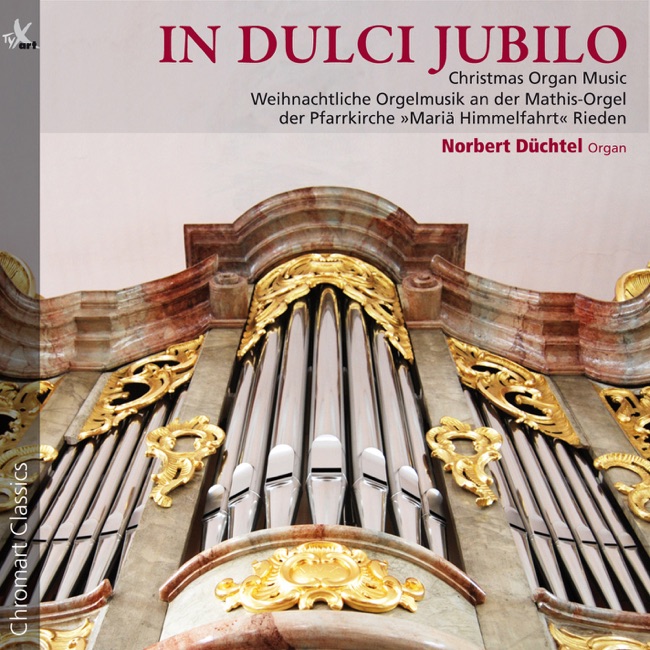 October 14, 2013
 -
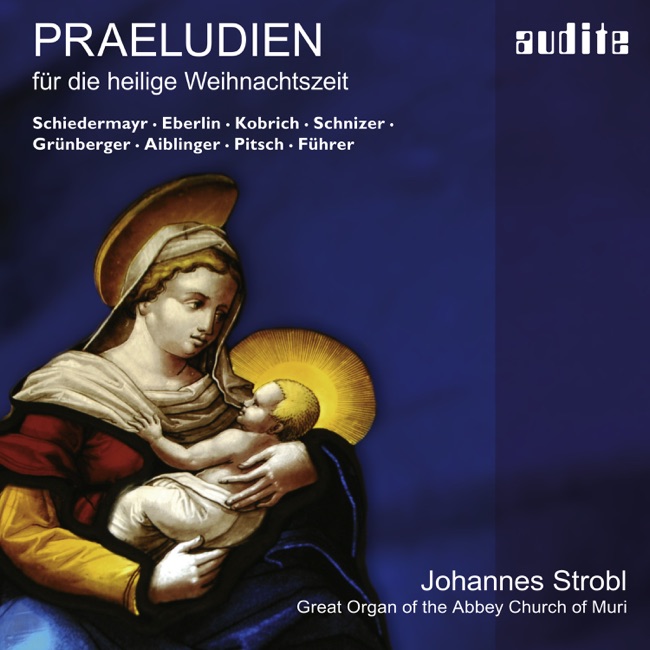 October 30, 2009
 -
-
Artist Info
Role:ComposerBirth:1756Death:1820Genre:KeyboardTheodor Grünberger was a classical music composer born on January 12, 1892, in Vienna, Austria. He was the son of a wealthy businessman and grew up in a family that valued education and culture. From a young age, Grünberger showed a talent for music and began studying piano and composition at the Vienna Conservatory. Grünberger's early compositions were heavily influenced by the Romantic era, particularly the works of Franz Liszt and Richard Wagner. He was also inspired by the music of his contemporaries, including Arnold Schoenberg and Alban Berg, who were part of the Second Viennese School. In 1914, Grünberger was drafted into the Austrian army and served in World War I. During his time in the military, he continued to compose music and even wrote a symphony while stationed in Italy. After the war, Grünberger returned to Vienna and resumed his studies at the conservatory. In the 1920s, Grünberger began to gain recognition as a composer. His works were performed by leading orchestras and conductors, and he received commissions from prominent musicians and organizations. In 1925, he was awarded the prestigious Beethoven Prize for his Symphony No. 1. Grünberger's music was characterized by its lush harmonies, sweeping melodies, and dramatic contrasts. He often incorporated folk elements into his compositions, drawing on the rich musical traditions of Austria and Eastern Europe. His works ranged from large-scale orchestral pieces to intimate chamber music, and he also wrote operas and choral works. One of Grünberger's most famous works is his Piano Concerto, which was premiered in 1930 by the Vienna Philharmonic Orchestra with the composer himself as the soloist. The concerto is a virtuosic showcase for the piano, with intricate passagework and soaring melodies. It has since become a staple of the piano repertoire and is widely regarded as one of Grünberger's greatest achievements. Another notable work by Grünberger is his opera, The Magic Flute, which premiered in 1937 at the Vienna State Opera. The opera is based on the famous work by Mozart, but Grünberger's version features a new libretto and a more modern musical style. The opera was well-received by audiences and critics alike and helped to establish Grünberger as one of the leading composers of his time. Throughout his career, Grünberger remained committed to his artistic vision and refused to compromise his musical ideals. He was a staunch advocate for modernism in music and believed that composers should be free to explore new sounds and techniques. His music was often controversial, and he faced criticism from traditionalists who felt that his work was too radical. Despite these challenges, Grünberger continued to compose prolifically until his death in 1942. His legacy lives on through his music, which continues to be performed and admired by musicians and audiences around the world.More....
Recent Artist Music
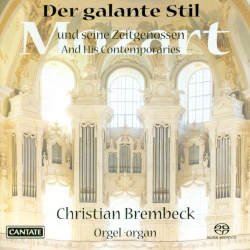
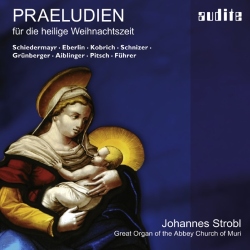
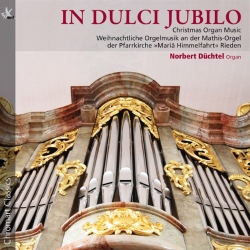
4
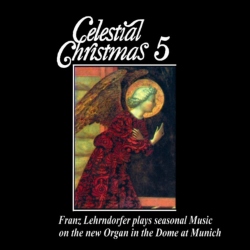
5:
Copyright Ⓒ 2013 Davinci Finger. All rights reseved
Service Terms & Policy