


Ignacio Jerusalem
Released Album
Vocal
-
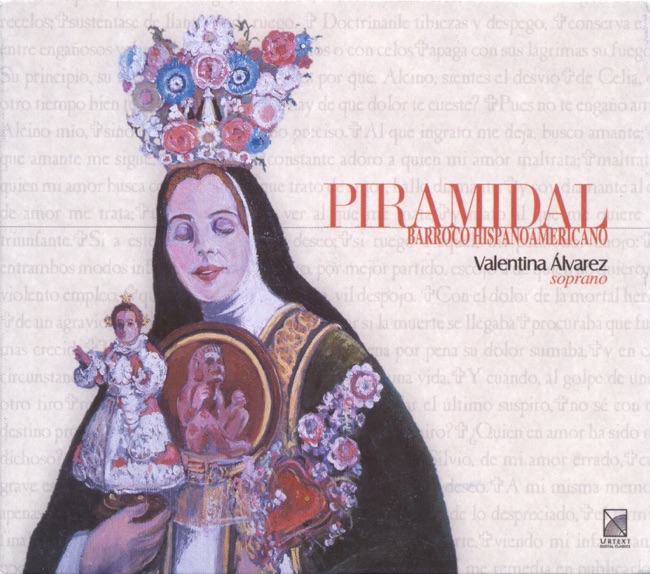 November 8, 2005
 -
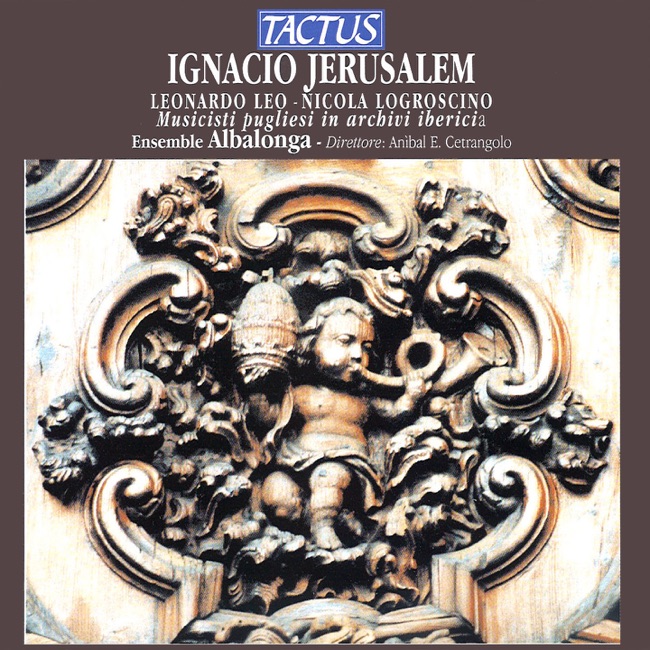 October 1, 2002
 -
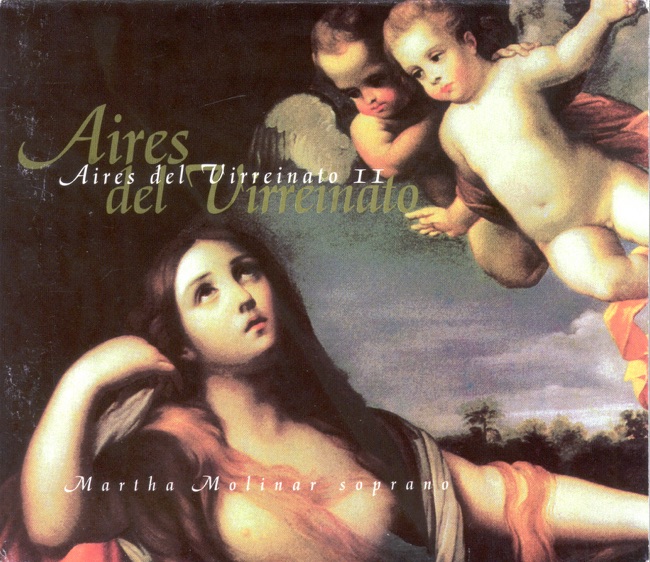 August 6, 2002
 -
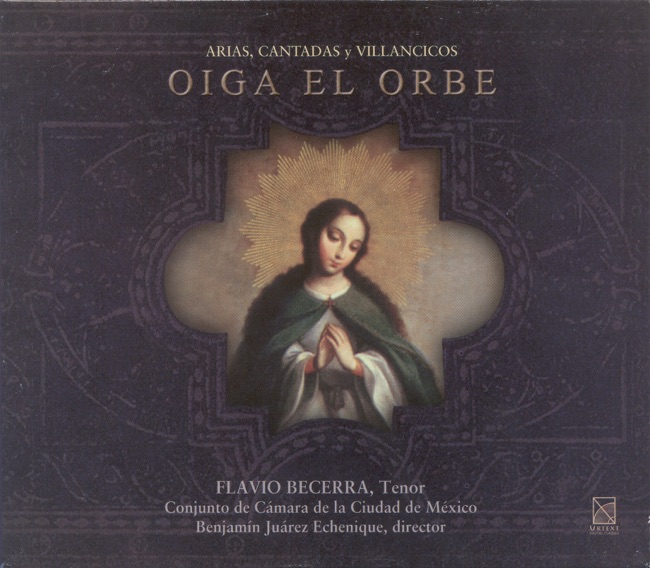 July 2, 2002
 -
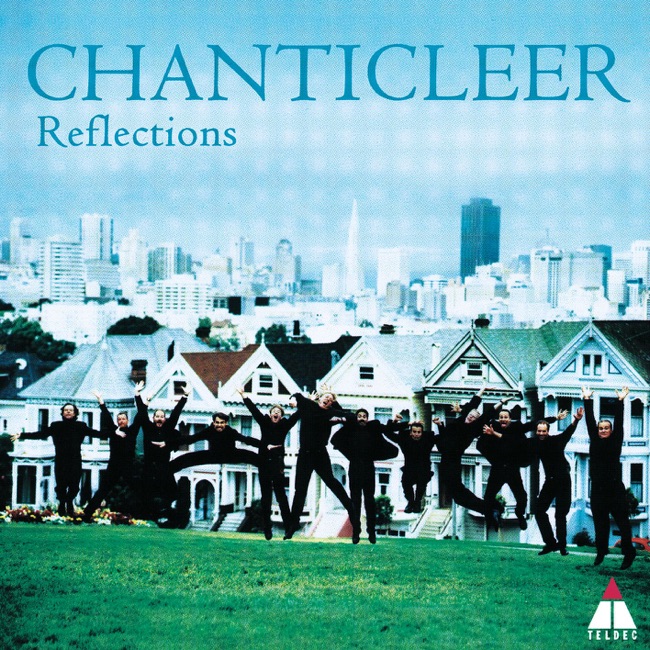 September 26, 1997
Choral
-
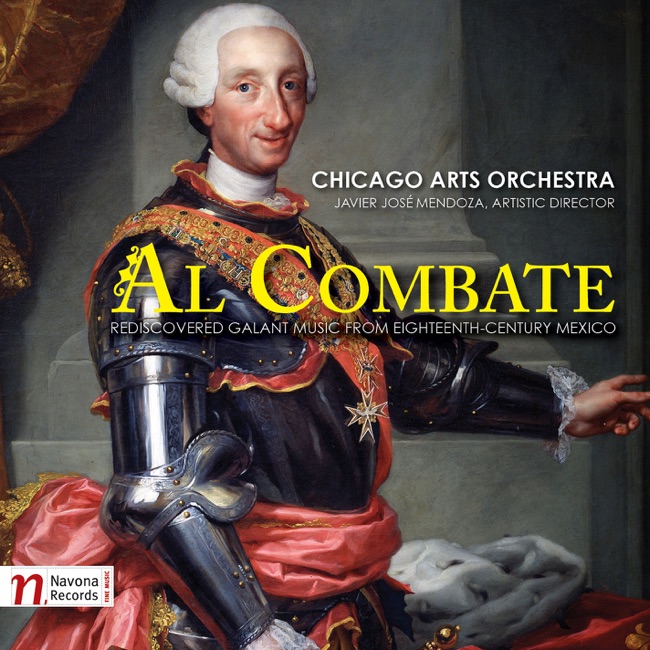 February 5, 2013
 -
 May 26, 2003
 -
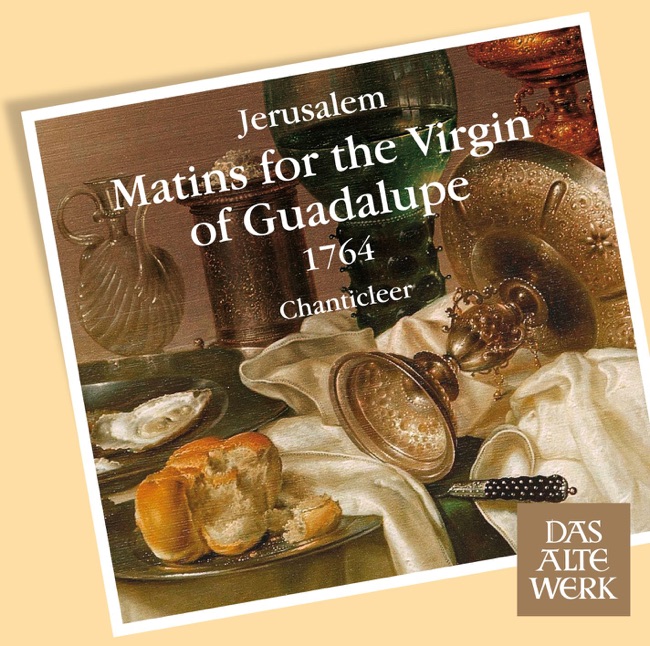 February 17, 1998
 -
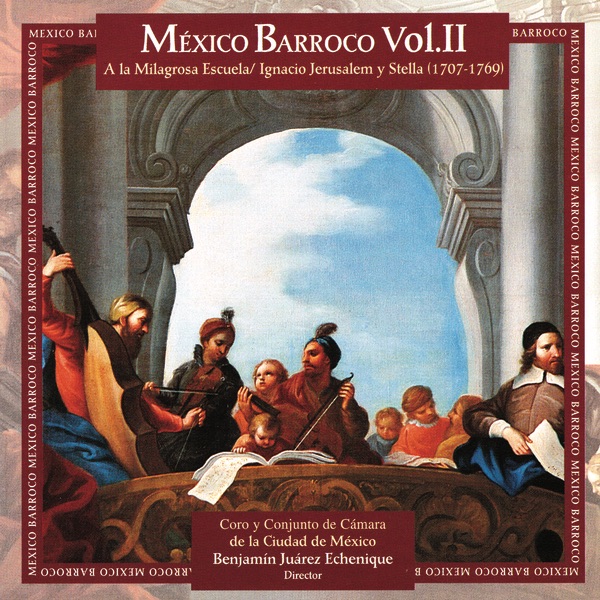 January 1, 1998
Miscellaneous
-
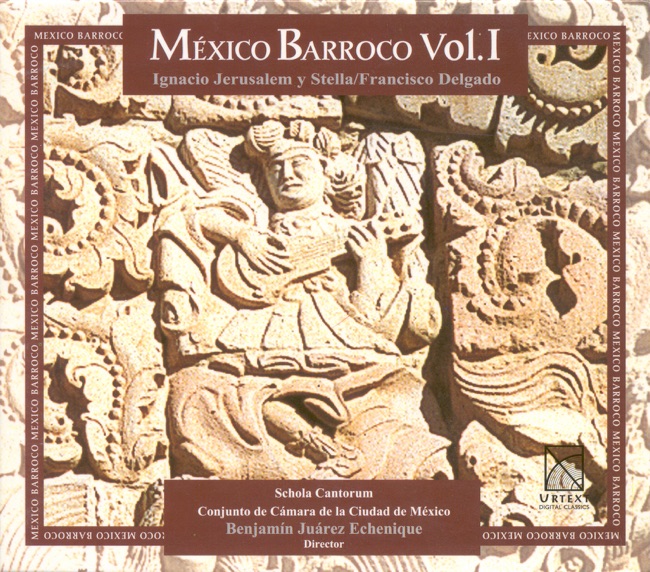 June 18, 1996
Artist Info
Role:ComposerCountry: MexicoBirth:ca. 1710 in Lecce, ItalyDeath:1769Genre:ChoralVocalIgnacio Jerusalem (1707-1769) was a Mexican composer and musician who played a significant role in the development of classical music in Mexico during the 18th century. He was born in Mexico City to a Spanish father and a Mexican mother, and his family was involved in the music scene in the city. Jerusalem showed an early interest in music and began his musical education at a young age. Jerusalem's musical education began with his father, who was a musician and taught him the basics of music theory and composition. He then studied with the renowned Italian composer and musician, Francesco Durante, who was in Mexico City at the time. Durante was impressed with Jerusalem's talent and took him on as a student, teaching him advanced music theory and composition. Jerusalem's early compositions were influenced by the Baroque style of music that was popular in Europe at the time. He wrote a number of sacred works, including masses, motets, and hymns, which were performed in churches throughout Mexico City. His music was well-received by the public and he quickly gained a reputation as a talented composer. In addition to his work as a composer, Jerusalem was also a skilled musician. He played the organ, harpsichord, and violin, and was often called upon to perform in concerts and other musical events. He was also a music teacher and taught many students, including his own children, who went on to become successful musicians in their own right. One of Jerusalem's most significant contributions to classical music in Mexico was his role in the establishment of the Royal Chapel of Music in Mexico City. The chapel was founded in 1716 by the Spanish Crown and was intended to promote the development of music in the New World. Jerusalem was appointed as the chapel's maestro de capilla (music director) in 1749, a position he held until his death. As maestro de capilla, Jerusalem was responsible for composing music for the chapel's choir and orchestra, as well as for training the musicians and singers. He wrote a number of works for the chapel, including masses, motets, and hymns, which were performed in the chapel and in other churches throughout Mexico City. His music was known for its beauty and complexity, and it helped to establish the Royal Chapel of Music as a center of musical excellence in Mexico. Jerusalem's most famous work is his Miserere, a setting of the Psalm 50 text that was traditionally sung during Holy Week. The Miserere was first performed in the Royal Chapel of Music in 1750 and quickly became one of the most popular pieces of music in Mexico. It was performed annually during Holy Week and was also performed in other churches throughout the city. The Miserere is known for its intricate choral writing and its use of polyphony, a technique that was popular in Baroque music. Jerusalem's other notable works include his Te Deum, a setting of the hymn of praise that is traditionally sung during church services, and his Stabat Mater, a setting of the hymn that is traditionally sung during the Stations of the Cross. Both works are known for their beauty and complexity and are still performed today. Jerusalem's legacy as a composer and musician has had a lasting impact on classical music in Mexico. His work helped to establish the Royal Chapel of Music as a center of musical excellence and his compositions continue to be performed and admired today.More....

Copyright Ⓒ 2013 Davinci Finger. All rights reseved
Service Terms & Policy