


Michael White
Released Album
Keyboard
-
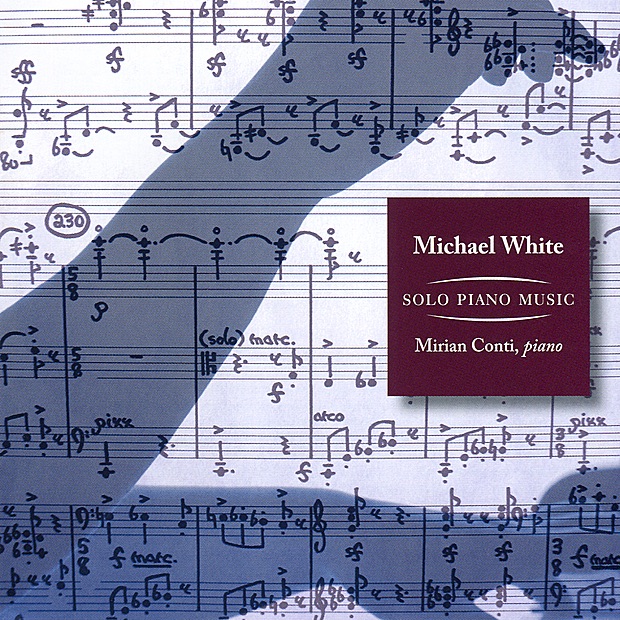 October 12, 2010
Film

Artist Info
Role:ComposerBirth:March 6, 1931 in Chicago, ILGenre:KeyboardSymphonyVocalMichael White was a British composer and pianist who was born on January 27, 1936, in Cheltenham, Gloucestershire, England. He was the son of a music teacher and grew up in a musical family. His father was a pianist and his mother was a singer, and they both encouraged him to pursue a career in music. White began playing the piano at a young age and showed a natural talent for the instrument. He studied at the Royal Academy of Music in London, where he was awarded several prizes for his performances. He also studied composition with Lennox Berkeley and Alan Bush, two prominent British composers of the time. White's early compositions were influenced by the works of his teachers, as well as by the music of Igor Stravinsky and Bela Bartok. He was particularly interested in the use of rhythm and harmony in their music, and he incorporated these elements into his own compositions. In 1960, White won the prestigious Mendelssohn Scholarship, which allowed him to study in Italy for a year. While there, he was exposed to the works of Italian composers such as Luciano Berio and Luigi Nono, who were experimenting with new forms of electronic and avant-garde music. This experience had a profound impact on White's own compositions, and he began to incorporate electronic and experimental elements into his music. White's early works were primarily for solo piano and chamber ensembles. One of his most notable early works is his Piano Sonata No. 1, which was composed in 1958. The piece is characterized by its use of complex rhythms and harmonies, and it showcases White's virtuosic piano playing. In the 1960s, White began to experiment with electronic music. He composed several works for tape, including his Electronic Study No. 1, which was premiered at the Cheltenham Festival in 1963. The piece features a collage of electronic sounds and manipulated recordings of natural sounds, and it was one of the first works of its kind to be performed in Britain. White's interest in electronic music continued throughout the 1960s and 1970s. He composed several works for tape and live electronics, including his Electronic Study No. 2, which was premiered at the BBC Radiophonic Workshop in 1965. He also collaborated with the experimental music group AMM, and he composed the music for several of their performances. In addition to his electronic works, White continued to compose for traditional instruments. One of his most notable works from this period is his String Quartet No. 1, which was composed in 1967. The piece is characterized by its use of extended techniques, such as bowing the strings with a glass rod, and it showcases White's interest in experimental forms of music. In the 1980s, White began to focus more on composing for orchestral ensembles. He composed several works for orchestra, including his Symphony No. 1, which was premiered by the BBC Symphony Orchestra in 1983. The piece is characterized by its use of complex rhythms and harmonies, and it showcases White's ability to write for large ensembles. White's later works continued to explore new forms of music. He composed several works for mixed ensembles, including his Chamber Concerto No. 1, which was premiered in 1990. The piece features a combination of traditional and electronic instruments, and it showcases White's ability to blend different forms of music. Throughout his career, White was recognized for his contributions to the field of music.More....
Recent Artist Music

Copyright Ⓒ 2013 Davinci Finger. All rights reseved
Service Terms & Policy