


Harold Stover
Released Album
Keyboard
-
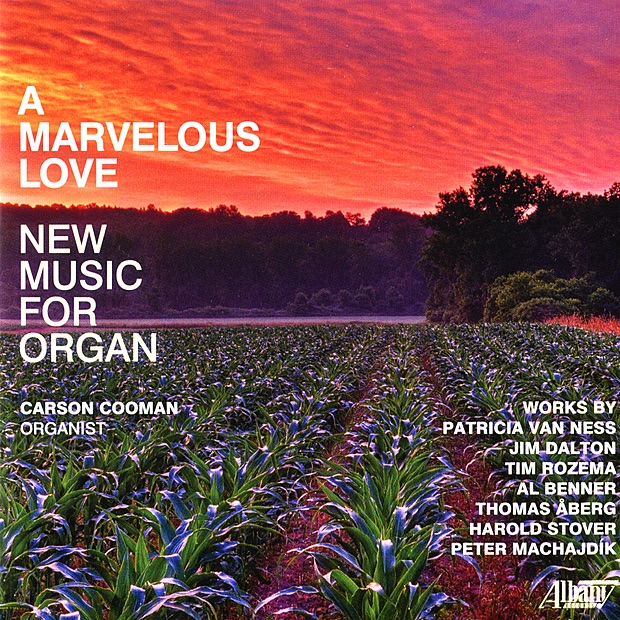 June 12, 2012
 -
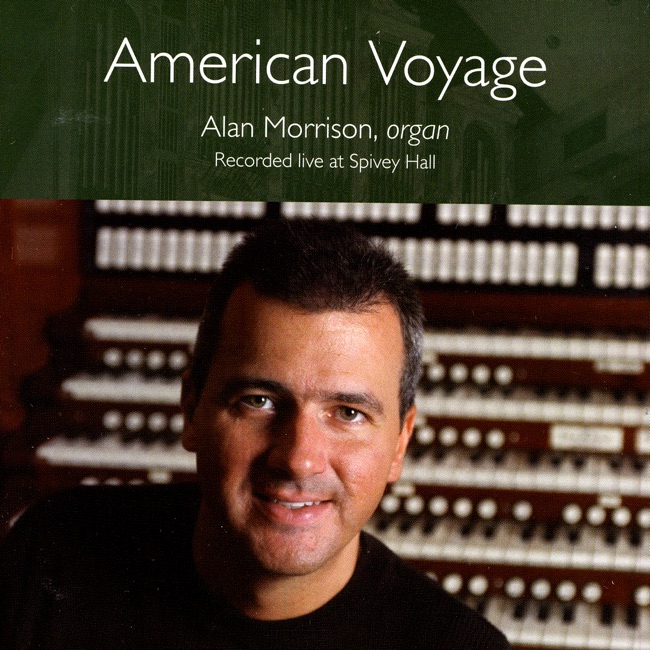 February 13, 2007
 -
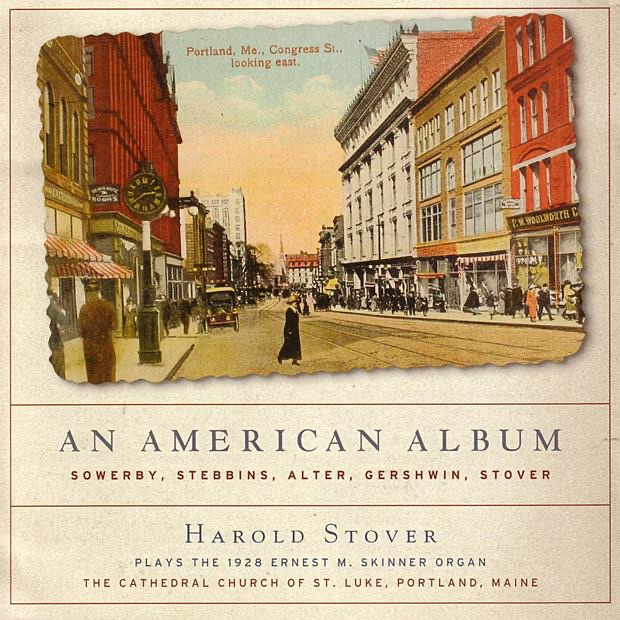 June 28, 2005
 -
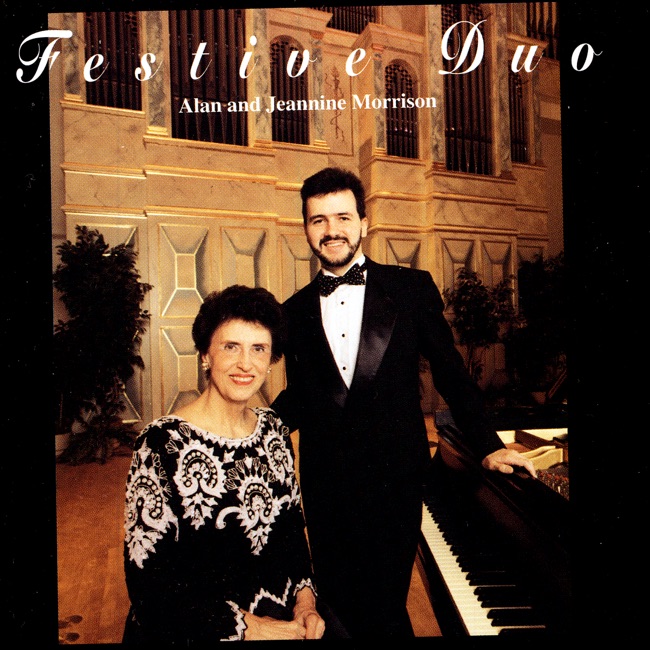 February 18, 1997
Artist Info
Role:ComposerBirth:November 26, 1946 in Latrobe, PAPeriod:ContemporaryGenre:KeyboardHarold Stover was a renowned American composer of classical music, born on May 12, 1925, in New York City. He was the youngest of three children born to a family of musicians. His father was a violinist, and his mother was a pianist. Harold's siblings were also musically inclined, with his brother playing the cello and his sister playing the violin. Harold's parents recognized his musical talent at an early age and encouraged him to pursue music. He began playing the piano at the age of four and started composing his own music by the age of eight. Harold's parents provided him with a solid musical education, and he studied piano, composition, and music theory with some of the best teachers in New York City. In 1943, Harold was drafted into the United States Army and served in World War II. During his time in the army, he continued to compose music and even wrote a piece for the army band. After the war, Harold returned to New York City and enrolled in the Juilliard School of Music, where he studied composition with Vincent Persichetti. Harold's early compositions were heavily influenced by the music of Bach, Beethoven, and Brahms. He was also inspired by the works of contemporary composers such as Stravinsky and Bartok. Harold's music was characterized by its complex harmonies, intricate rhythms, and use of counterpoint. In 1950, Harold's String Quartet No. 1 was premiered at the Juilliard School of Music. The piece was well-received, and Harold was praised for his skillful use of counterpoint and his ability to create a cohesive musical structure. The success of the String Quartet No. 1 led to other commissions, and Harold began to establish himself as a composer of note. Throughout the 1950s and 1960s, Harold continued to compose music and receive commissions from various organizations. He wrote music for orchestras, chamber ensembles, and solo instruments. Some of his most notable works from this period include his Piano Sonata No. 1, his Symphony No. 1, and his String Quartet No. 2. In the 1970s, Harold's music began to take on a more experimental quality. He started to incorporate electronic music into his compositions and experimented with different forms of notation. Harold's music from this period was characterized by its use of unconventional sounds and its exploration of new musical ideas. One of Harold's most significant works from this period was his electronic composition, "The Sound of Silence." The piece was created using a synthesizer and featured a series of electronic sounds that were manipulated and layered to create a complex and haunting musical landscape. In the 1980s, Harold's music took on a more introspective quality. He began to explore themes of mortality and spirituality in his compositions. Some of his most notable works from this period include his Requiem for a Fallen Soldier and his Symphony No. 3. Harold continued to compose music well into his later years. He remained active in the music community and was a respected teacher and mentor to many young composers. Harold passed away on June 15, 2003, at the age of 78. Harold Stover was a prolific and influential composer of classical music. His music was characterized by its complex harmonies, intricate rhythms, and use of counterpoint. Harold's compositions were well-received by audiences and critics alike, and his work continues to be performed and studied by musicians around the world.More....
Recent Artist Music
5
3:
Copyright Ⓒ 2013 Davinci Finger. All rights reseved
Service Terms & Policy