


Nikolai Tcherepnin
Released Album
Vocal
-
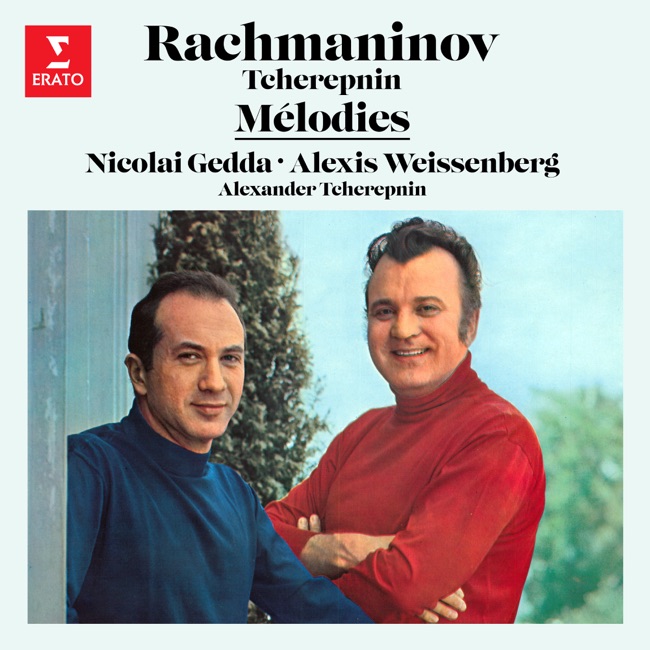 May 5, 2023
 -
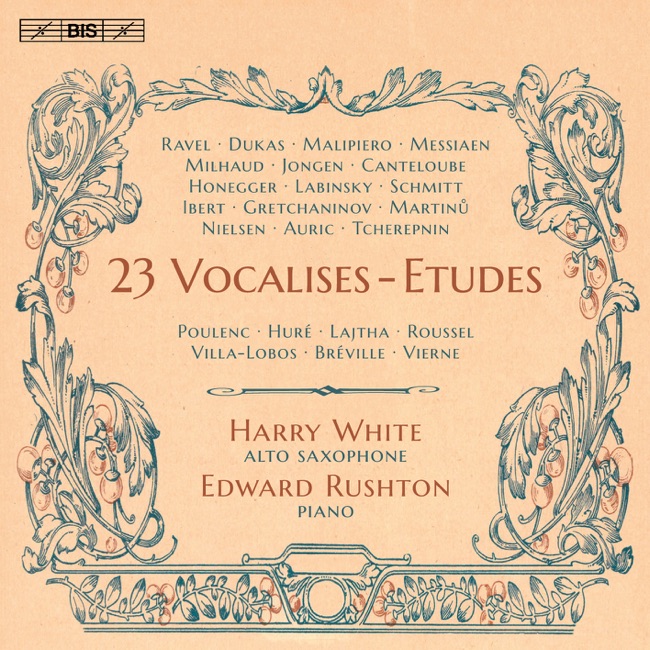 June 10, 2016
 -
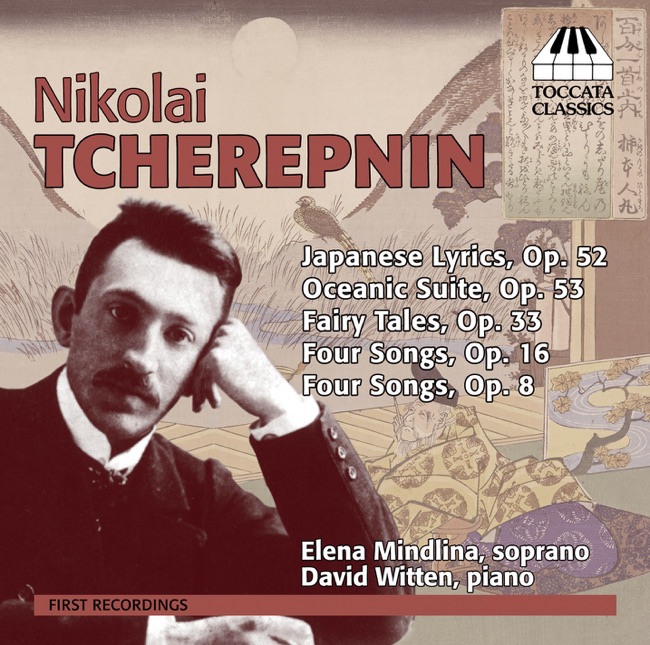 March 3, 2014
Keyboard
-
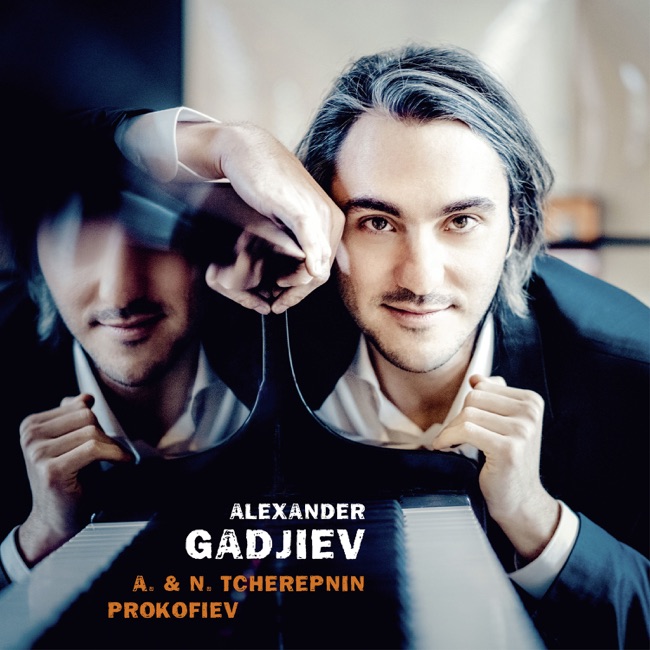 July 8, 2022
 -
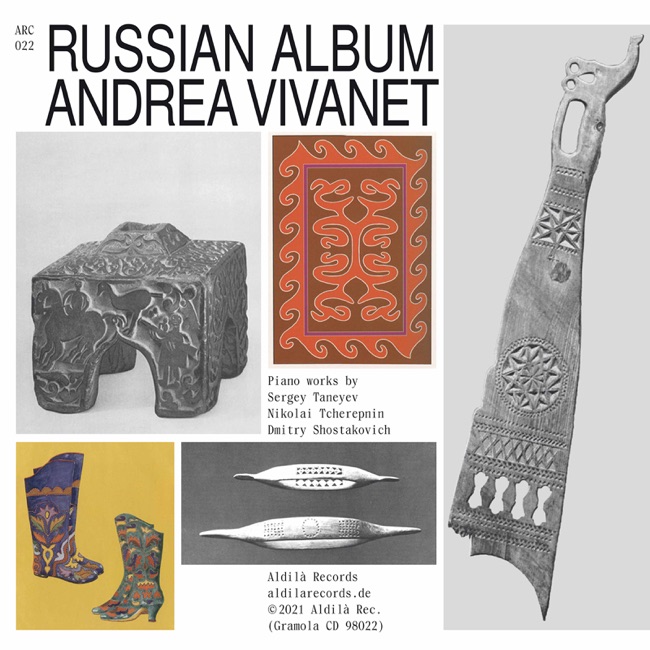 October 15, 2021
 -
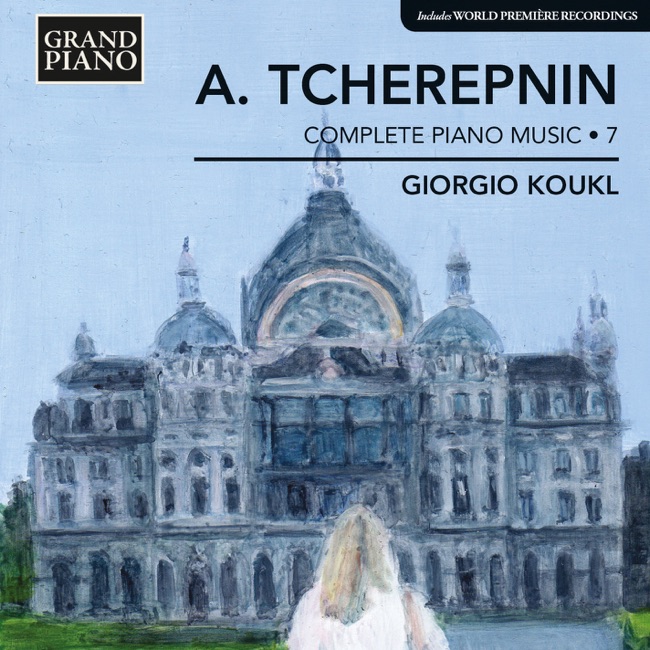 June 10, 2014
 -
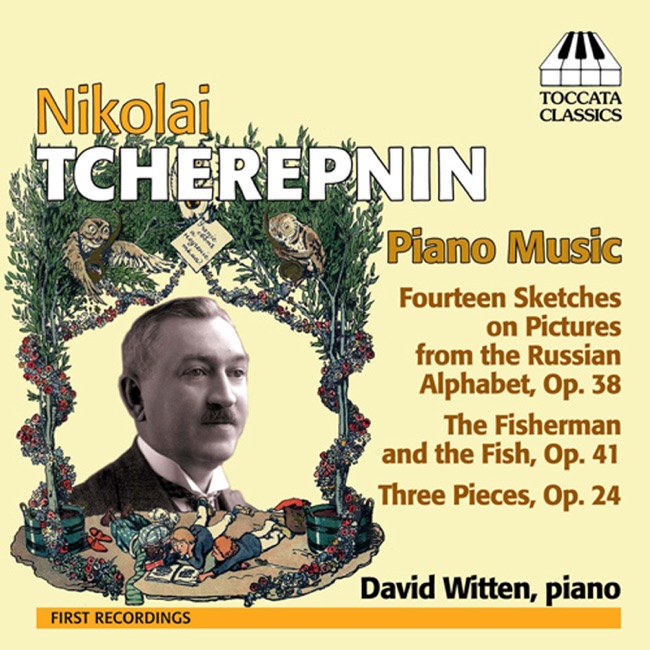 July 12, 2011
Orchestral
-
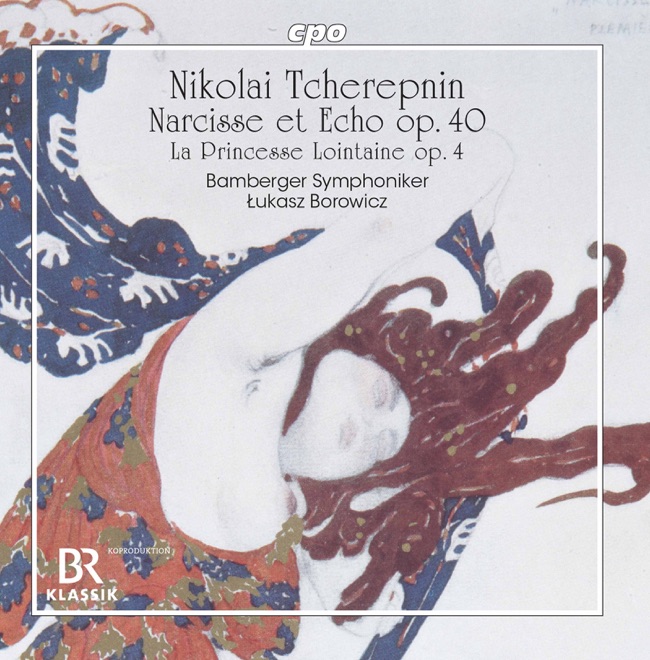 June 5, 2020
 -
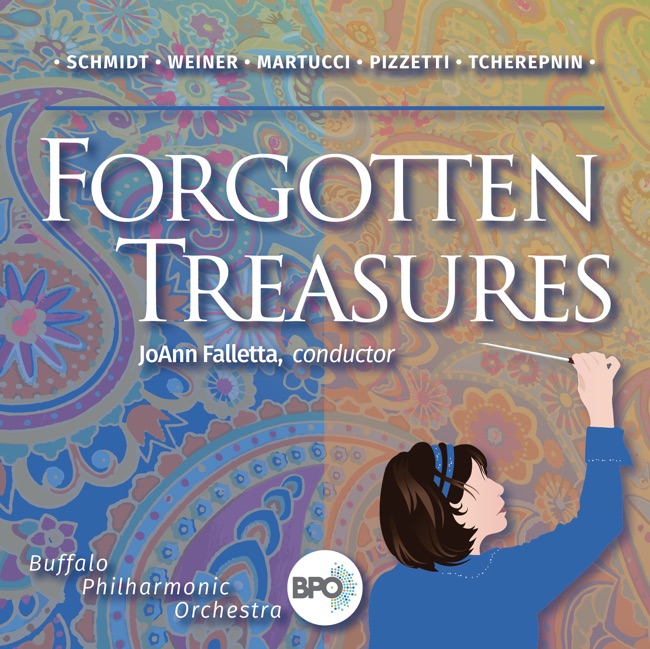 December 1, 2018
 -
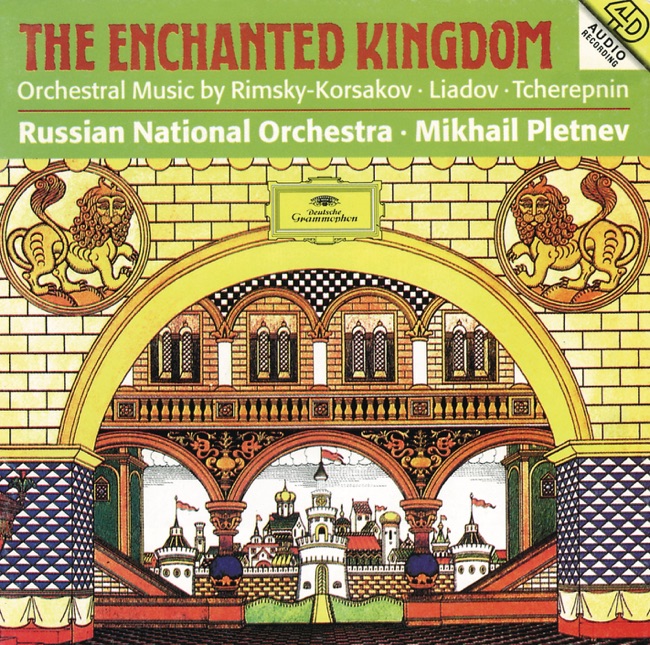 May 14, 1996
Choral
-
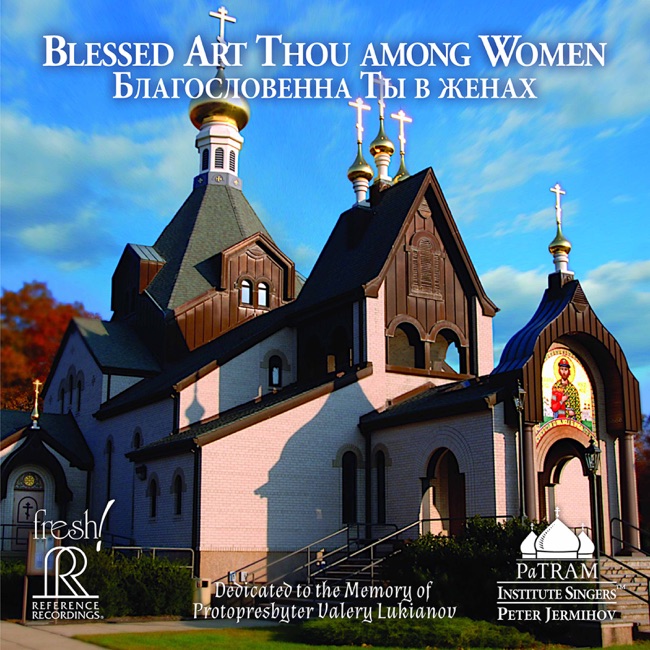 April 17, 2020
 -
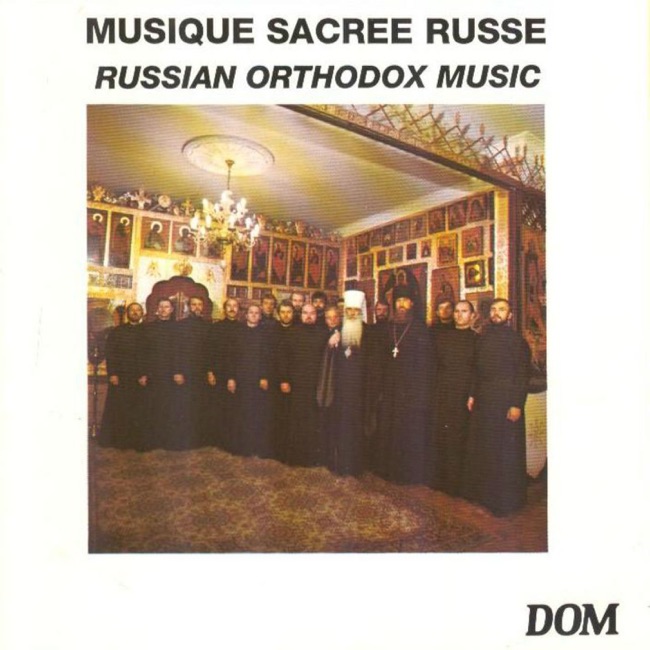 May 14, 2012
 -
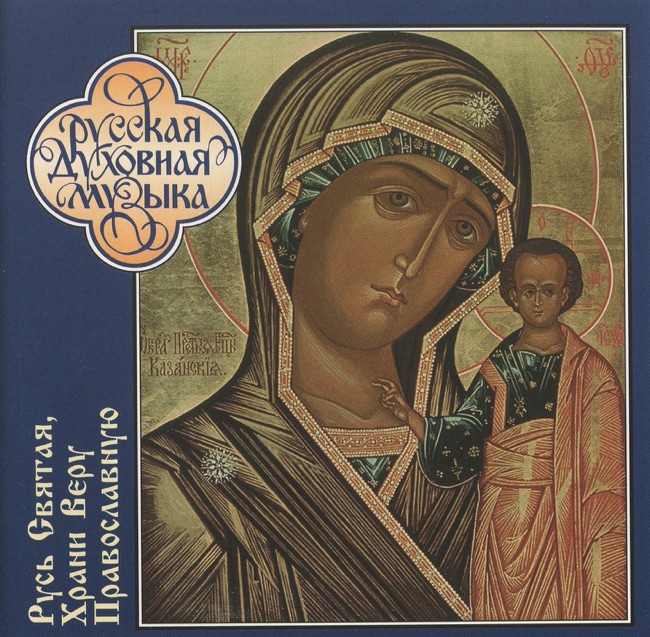 October 1, 2011
Artist Info
Role:ComposerBirth:1873Death:1924Period:RomanticContemporaryGenre:BalletChoralOrchestralNikolai Tcherepnin was a Russian composer who was born on May 15, 1873, in St. Petersburg, Russia. He was born into a family of musicians, with his father being a composer and his mother a pianist. His father, Nikolai Tcherepnin Sr., was a professor of composition at the St. Petersburg Conservatory, and his mother, Anna Yesipova, was a renowned pianist who had studied with Franz Liszt. Tcherepnin began his musical education at a young age, studying piano with his mother and composition with his father. He showed great promise as a composer, and at the age of 16, he entered the St. Petersburg Conservatory to study composition with Nikolai Rimsky-Korsakov. Rimsky-Korsakov was one of the leading composers of the time, and his influence on Tcherepnin's music was significant. Tcherepnin's early works were heavily influenced by Russian folk music and the music of Rimsky-Korsakov. His first major work, the Symphony No. 1 in D minor, was composed when he was just 19 years old. The symphony was well-received, and it established Tcherepnin as a promising young composer. In 1899, Tcherepnin traveled to Paris to study with the renowned composer and teacher Vincent d'Indy. While in Paris, Tcherepnin was exposed to the music of Debussy, Ravel, and other French composers, and their influence can be heard in his later works. Tcherepnin returned to Russia in 1902 and began teaching at the St. Petersburg Conservatory. He continued to compose, and his works during this period include the ballet Le Pavillon d'Armide and the opera The Enchantress. In 1918, Tcherepnin left Russia and settled in Paris. He continued to compose, and his works during this period include the ballet Narcisse et Echo and the opera The Feast in Time of Plague. Tcherepnin's music during this period was characterized by its use of exotic scales and rhythms, as well as its incorporation of elements of Russian and French folk music. In 1925, Tcherepnin traveled to the United States to conduct the Boston Symphony Orchestra. He was well-received in the United States, and he returned several times to conduct and to teach at the Eastman School of Music in Rochester, New York. Tcherepnin's later works include the ballet La Fille Mal Gardée and the opera The Witch. He continued to compose until his death on June 26, 1945, in Paris. Tcherepnin's music is characterized by its use of exotic scales and rhythms, as well as its incorporation of elements of Russian and French folk music. His works are often colorful and imaginative, and they demonstrate a mastery of orchestration and a keen sense of melody. Some of Tcherepnin's most notable works include the Symphony No. 1 in D minor, the ballet Le Pavillon d'Armide, and the opera The Enchantress. The Symphony No. 1 is a powerful work that demonstrates Tcherepnin's skill as a composer. The ballet Le Pavillon d'Armide is a colorful and imaginative work that showcases Tcherepnin's use of exotic scales and rhythms. The opera The Enchantress is a dramatic work that demonstrates Tcherepnin's mastery of orchestration and his keen sense of melody. In conclusion, Nikolai Tcherepnin was a talented composer who was born into a family of musicians and who showed great promise from a young age. His music was heavily influenced by Russian and French folk music, as well as the music of Rimsky-Korsakov and other leading composers of the time.More....
Recent Artist Music
2
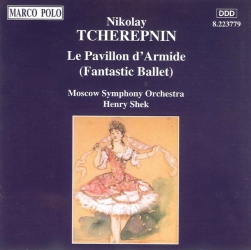
The Armide Pavilion
Variation - Allegro - Moderato tranquillo - Vivace - Grave. Maestoso e molto sostenuto
7:53


Copyright Ⓒ 2013 Davinci Finger. All rights reseved
Service Terms & Policy