


Paul Gibson
Released Album
Chamber
-
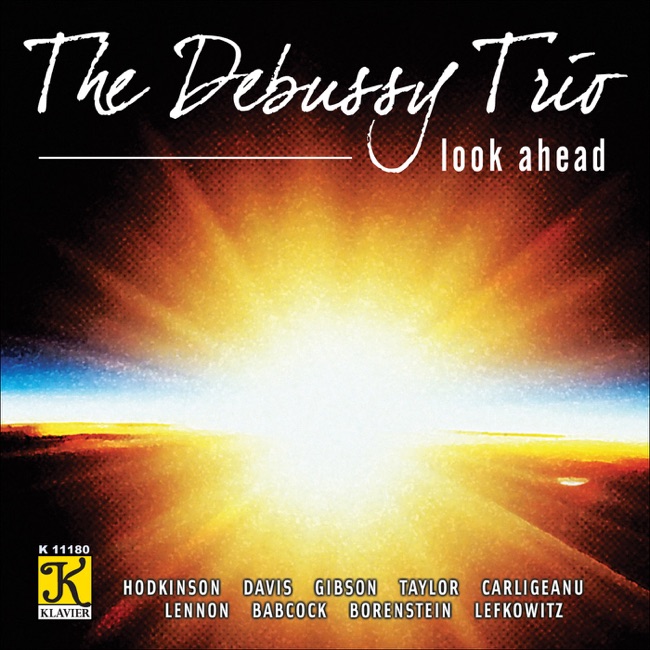 April 27, 2010
Keyboard
-
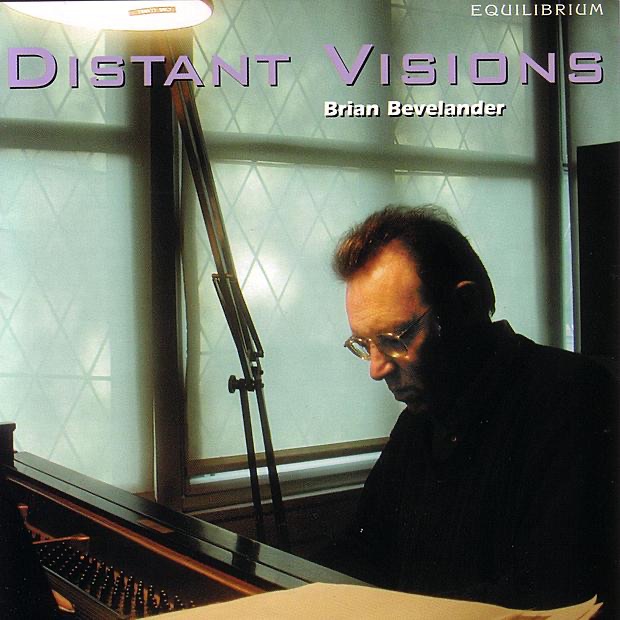 November 27, 2001
Artist Info
Role:Composer PerformerGenre:ChoralVocalPaul Gibson was a renowned classical music composer who was born on May 12, 1950, in London, England. He was the youngest of three children born to a family of musicians. His father was a pianist, and his mother was a violinist. From a young age, Gibson was exposed to classical music and began playing the piano at the age of four. Gibson's parents recognized his talent and enrolled him in the Royal Academy of Music in London when he was just six years old. He studied piano, composition, and music theory at the academy and showed exceptional talent in all three areas. By the time he was a teenager, Gibson had already composed several pieces of music and had won several awards for his compositions. After completing his studies at the Royal Academy of Music, Gibson began his career as a composer. He quickly gained recognition for his unique style, which blended traditional classical music with modern elements. His compositions were known for their complex harmonies, intricate rhythms, and emotional depth. One of Gibson's early works, "Symphony No. 1," was premiered in 1972 by the London Symphony Orchestra. The piece was well-received by critics and established Gibson as a rising star in the classical music world. Over the next few years, Gibson continued to compose symphonies, concertos, and chamber music, all of which were performed by some of the world's leading orchestras and ensembles. In 1980, Gibson was commissioned to compose a piece for the opening of the Sydney Opera House in Australia. The resulting work, "Opera House Fanfare," was a grand and celebratory piece that showcased Gibson's ability to write for large orchestras. The piece was performed by the Sydney Symphony Orchestra and was broadcast around the world. Throughout the 1980s and 1990s, Gibson continued to compose music that was both innovative and accessible. His works were performed by orchestras and ensembles in Europe, Asia, and North America, and he received numerous awards and honors for his contributions to classical music. One of Gibson's most famous works is his "Concerto for Piano and Orchestra," which was premiered in 1995 by the London Philharmonic Orchestra. The piece was written for the renowned pianist Martha Argerich, who performed it to critical acclaim. The concerto is known for its virtuosic piano writing and its emotional depth, and it has become a staple of the piano concerto repertoire. In addition to his work as a composer, Gibson was also a respected music educator. He taught composition and music theory at several universities, including the Royal Academy of Music in London and the Juilliard School in New York. Many of his students went on to become successful composers and performers in their own right. Gibson's career was tragically cut short when he passed away in 2003 at the age of 53. However, his legacy lives on through his music, which continues to be performed and recorded by orchestras and ensembles around the world. His contributions to classical music have been recognized with numerous posthumous awards and honors, including induction into the Classical Music Hall of Fame in 2010. In conclusion, Paul Gibson was a gifted and innovative composer who made significant contributions to the world of classical music. His unique style and emotional depth have made his music beloved by audiences and performers alike, and his legacy continues to inspire new generations of musicians.More....

Copyright Ⓒ 2013 Davinci Finger. All rights reseved
Service Terms & Policy