


Franz de Paula Roser
Released Album
Keyboard
-
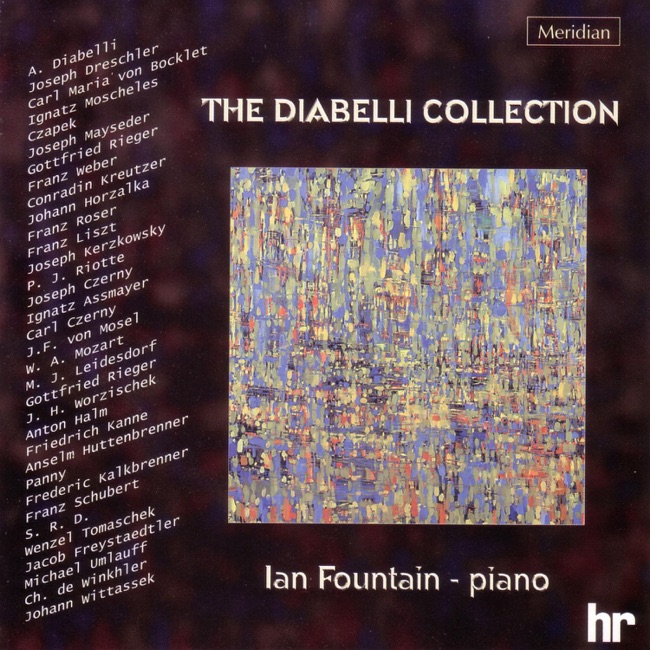 September 4, 2001
 -
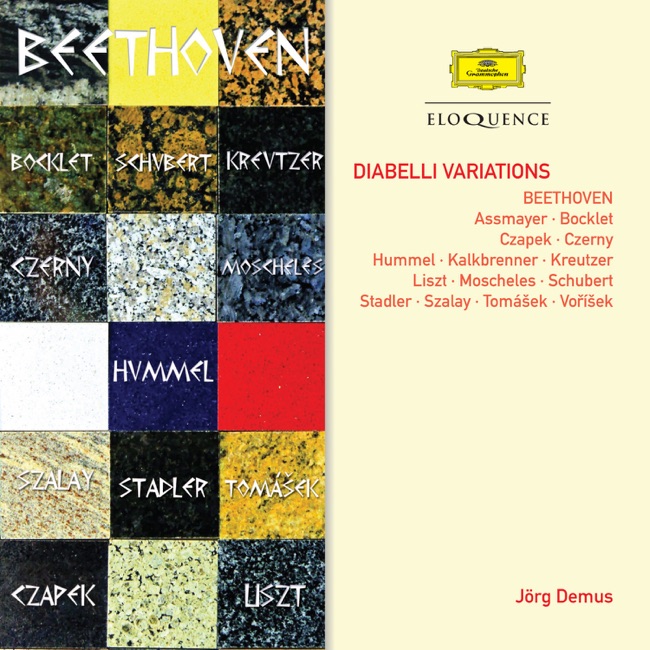 January 1, 1973
Artist Info
Role:ComposerGenre:KeyboardFranz de Paula Roser was a classical music composer born on January 28, 1758, in the town of Kempten, located in the Allgäu region of Bavaria, Germany. He was the son of Johann Baptist Roser, a musician and composer, and Maria Anna Schmid. Roser grew up in a musical family, and his father was his first music teacher. He learned to play the violin, piano, and organ at a young age and showed a great talent for music. Roser's musical education continued in Munich, where he studied with the famous composer Johann Georg Leopold Mozart, the father of Wolfgang Amadeus Mozart. Roser was a quick learner and soon became an accomplished musician. He began composing his own music and soon gained recognition for his talent. In 1780, Roser was appointed as the court composer to the Prince-Bishop of Augsburg, where he remained for the rest of his life. He composed music for the court and also taught music to the prince's children. Roser's music was well-received, and he became known as one of the leading composers of his time. Roser's music was influenced by the classical style of Mozart and Haydn, but he also incorporated elements of the Baroque style into his compositions. His music was characterized by its elegance, clarity, and balance. He composed music in a variety of genres, including symphonies, chamber music, and vocal music. One of Roser's most famous works is his Symphony No. 1 in C major, which he composed in 1785. The symphony is in the classical style and is characterized by its lively and energetic melodies. It is a four-movement work that showcases Roser's skill as a composer. The symphony was well-received and helped establish Roser's reputation as a composer. Roser also composed a number of chamber music works, including string quartets and piano trios. His String Quartet No. 1 in G major is a particularly notable work. It is a four-movement work that showcases Roser's skill at writing for string instruments. The quartet is characterized by its lyrical melodies and elegant harmonies. In addition to his instrumental music, Roser also composed a number of vocal works, including operas, cantatas, and songs. His opera, Die Schwestern von Prag, was first performed in 1790 and was well-received. The opera is a comic work that tells the story of two sisters who fall in love with the same man. The music is characterized by its lively and energetic melodies. Roser's cantatas are also notable works. His Cantata for the Feast of St. Michael is a particularly impressive work. It is a choral work that features a large orchestra and choir. The music is characterized by its grandeur and majesty. Roser continued to compose music throughout his life and remained active as a composer until his death on December 17, 1837. His music was well-regarded during his lifetime, but it fell out of favor in the years following his death. However, in recent years, there has been a renewed interest in Roser's music, and his works are once again being performed and recorded. In conclusion, Franz de Paula Roser was a talented composer who made significant contributions to the classical music genre. His music was characterized by its elegance, clarity, and balance, and he was known for his skill at writing for a variety of instruments and genres. His Symphony No. 1 in C major and String Quartet No. 1 in G major are particularly notable works, as are his operas and cantatas.More....
Recent Artist Music
1
1:9
2
55
4
59
Copyright Ⓒ 2013 Davinci Finger. All rights reseved
Service Terms & Policy