


Alexander Nikolsky
Released Album
Choral
-
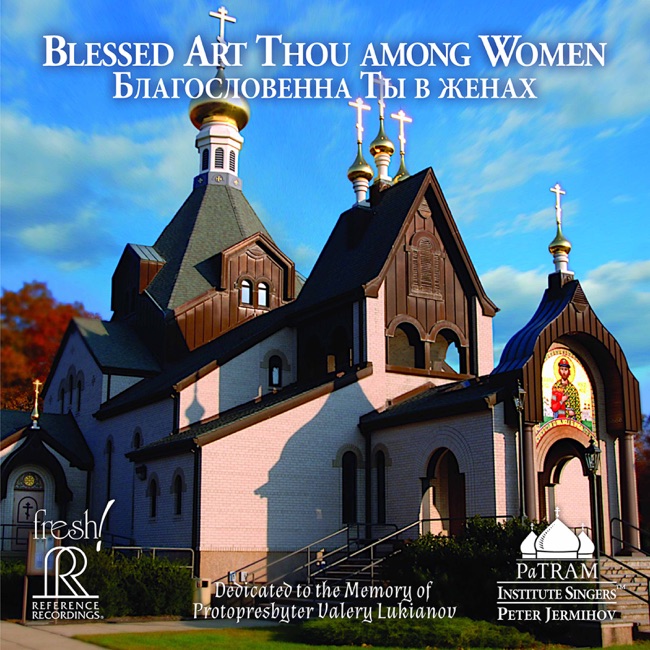 April 17, 2020
 -
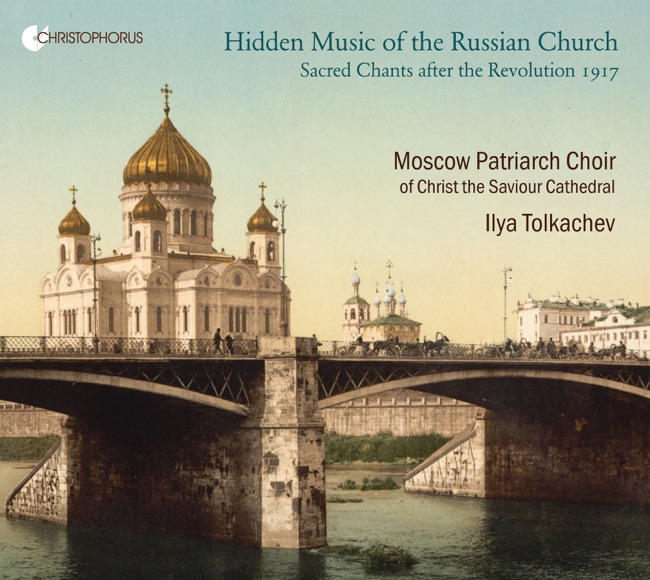 June 24, 2016
 -
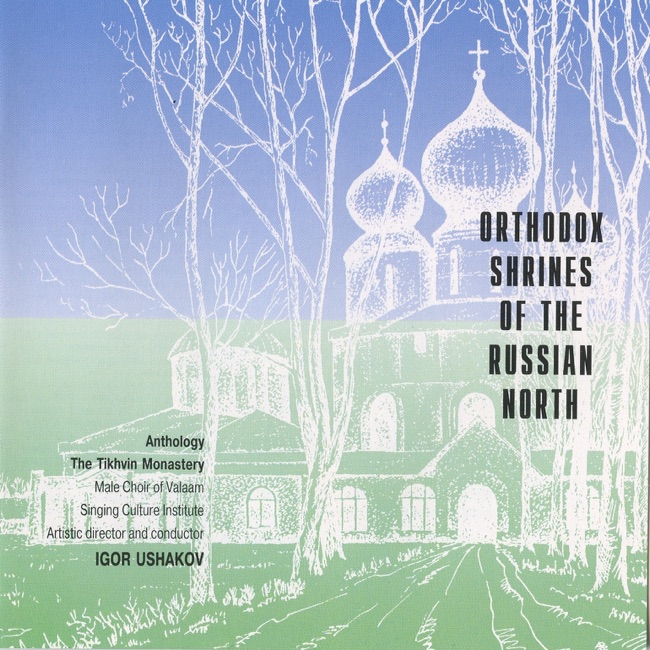 October 4, 2011
 -
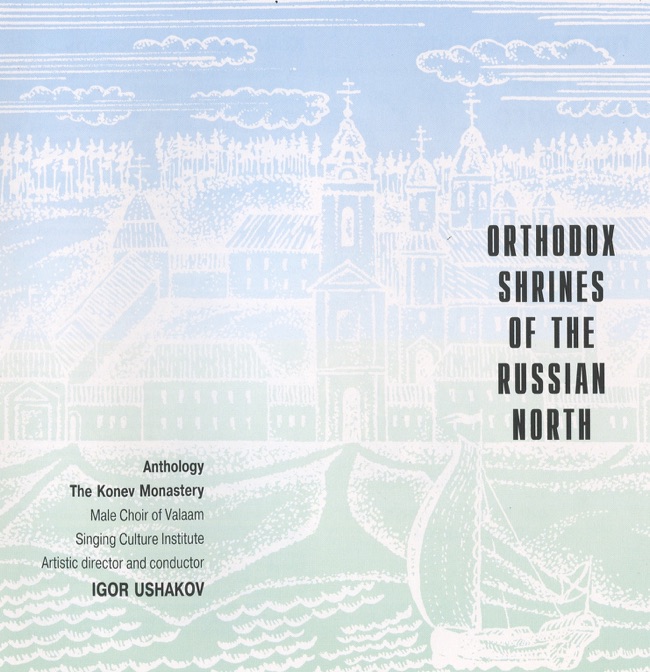 October 1, 2011
Miscellaneous
-
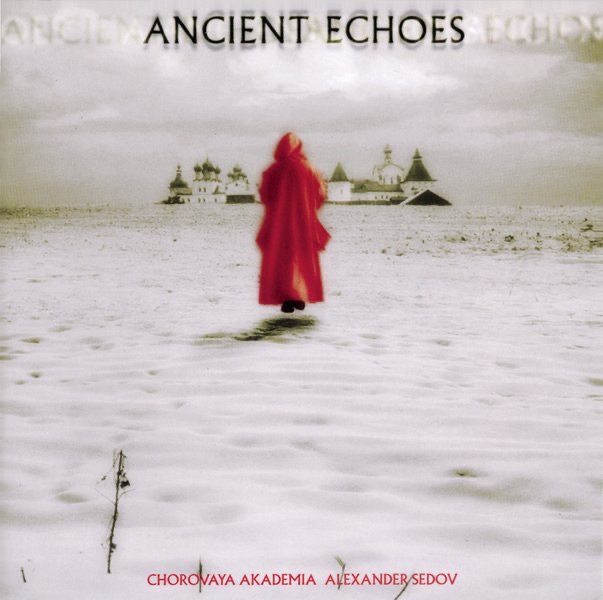 April 18, 1994
Artist Info
Role:Composer PerformerBirth:1874Death:1943Period:RomanticGenre:ChoralVocalAlexander Nikolsky was a Russian composer who lived from 1884 to 1953. He was born in the city of St. Petersburg, which was then the capital of the Russian Empire. Nikolsky's family was musically inclined, and he began his musical education at a young age. He studied piano and composition at the St. Petersburg Conservatory, one of the most prestigious music schools in Russia. Nikolsky's early compositions were influenced by the Romantic style of music that was popular in Russia at the time. He wrote several works for piano, including a set of preludes and a sonata. He also composed songs and chamber music, such as his String Quartet No. 1. In 1917, the Russian Revolution brought about significant changes in the country, including the nationalization of the arts. Nikolsky, like many other artists, had to adapt to the new political climate. He became involved in the Soviet music scene and began to write music that reflected the ideals of the new government. One of Nikolsky's most significant works from this period was his opera, "The Death of Ivan the Terrible." The opera tells the story of the infamous Russian ruler and his downfall. Nikolsky's music is dramatic and powerful, with sweeping melodies and intense orchestration. The opera was well-received by audiences and critics alike and helped establish Nikolsky as a leading composer in the Soviet Union. Nikolsky continued to write music throughout the 1920s and 1930s, producing works in a variety of genres. He wrote several more operas, including "The Decembrists," which tells the story of a failed uprising against the Russian government in 1825. He also composed ballets, such as "The Red Poppy," which became one of the most popular ballets in the Soviet Union. In addition to his larger works, Nikolsky also wrote a significant amount of chamber music. He composed several string quartets, including his String Quartet No. 2, which is considered one of his most accomplished works. He also wrote music for solo instruments, such as his Sonata for Violin and Piano. Nikolsky's music was often characterized by its emotional intensity and its use of folk melodies and rhythms. He was influenced by the music of his native Russia, as well as by the music of other Eastern European countries. His music was also influenced by the political and social climate of the Soviet Union, and he often wrote music that celebrated the achievements of the Soviet government. Despite his success as a composer, Nikolsky's career was not without its challenges. Like many artists in the Soviet Union, he faced censorship and criticism from the government. Some of his works were banned or altered to conform to the government's standards. Nikolsky also faced personal challenges, including the death of his wife and the loss of his home during World War II. Despite these difficulties, Nikolsky continued to write music until his death in 1953. His legacy as a composer is significant, and his music continues to be performed and studied today. His works are an important part of the Russian classical music tradition and reflect the cultural and political history of the Soviet Union.More....
Recent Artist Music
2
2:3
Copyright Ⓒ 2013 Davinci Finger. All rights reseved
Service Terms & Policy