


Remo Pignoni
Released Album
Keyboard
-
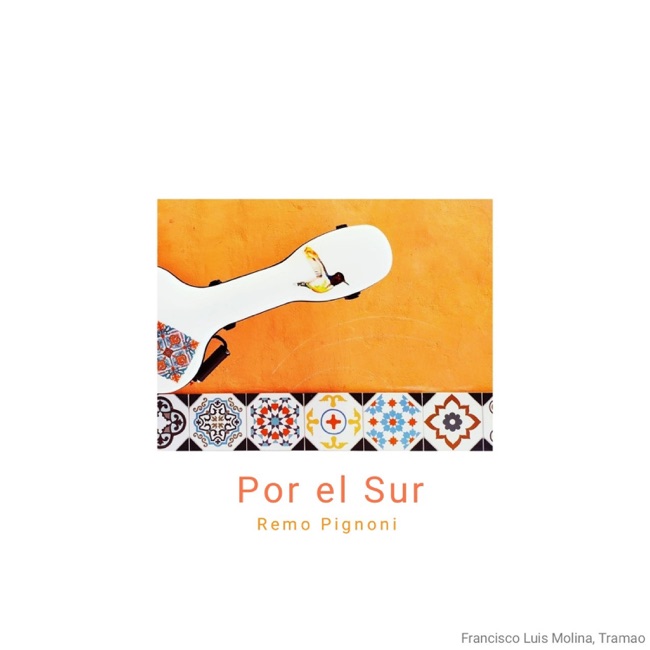 February 4, 2021
 -
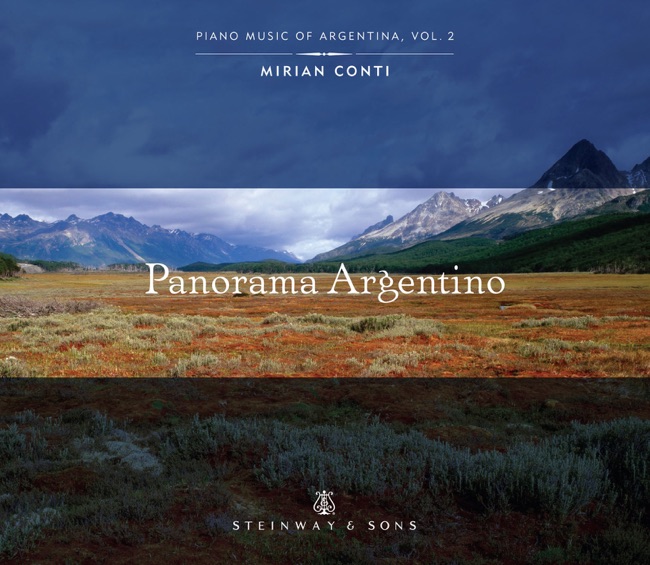 January 28, 2014
 -
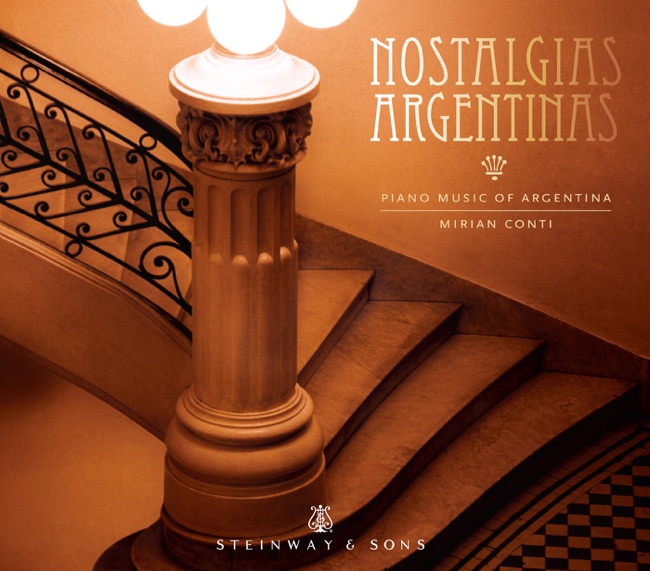 June 26, 2012
Artist Info
Role:ComposerCountry: ArgentinaBirth:1911Death:1988Remo Pignoni was a renowned Italian composer of classical music, born on January 1, 1922, in Florence, Italy. He was the youngest of three children born to a family of musicians. His father was a violinist, and his mother was a pianist. Pignoni's parents recognized his musical talent at an early age and encouraged him to pursue a career in music. Pignoni began his musical education at the age of six, studying piano and violin with his parents. He showed a natural aptitude for both instruments and quickly progressed in his studies. By the age of ten, he was already composing his own music. In 1932, Pignoni was accepted into the Conservatorio di Musica Luigi Cherubini in Florence, where he studied composition with the renowned Italian composer Ildebrando Pizzetti. Pignoni's time at the conservatory was a formative period in his musical development, and he was heavily influenced by the works of Bach, Mozart, and Beethoven. After completing his studies at the conservatory, Pignoni began his career as a composer, writing music for a variety of mediums, including opera, ballet, and chamber music. His early works were heavily influenced by the neoclassical style, which was popular in Italy at the time. In 1950, Pignoni's opera, "La Fiamma," premiered at the Teatro alla Scala in Milan. The opera was a critical and commercial success, and it established Pignoni as one of Italy's leading composers. "La Fiamma" was followed by a series of other successful operas, including "Il Re," "La Notte di San Lorenzo," and "La Maschera." In addition to his work in opera, Pignoni also composed a number of ballets, including "La Danza delle Ore," which was choreographed by George Balanchine and premiered at the Metropolitan Opera House in New York City in 1953. The ballet was a huge success, and it helped to establish Pignoni's reputation in the United States. Throughout his career, Pignoni remained committed to the neoclassical style, which he believed was the most effective way to express his musical ideas. His works were characterized by their clarity, precision, and elegance, and they were often praised for their technical mastery. Pignoni's later works were more experimental in nature, and he began to incorporate elements of atonality and serialism into his compositions. This shift in style was reflected in works such as "Quattro Pezzi per Orchestra," which was premiered in 1960, and "Concerto per Violino e Orchestra," which was premiered in 1965. Despite his success as a composer, Pignoni remained a humble and dedicated musician throughout his life. He continued to compose until his death in 1998, leaving behind a legacy of works that continue to be performed and admired by musicians and audiences around the world.More....
Copyright Ⓒ 2013 Davinci Finger. All rights reseved
Service Terms & Policy