


Heinrich Molbe
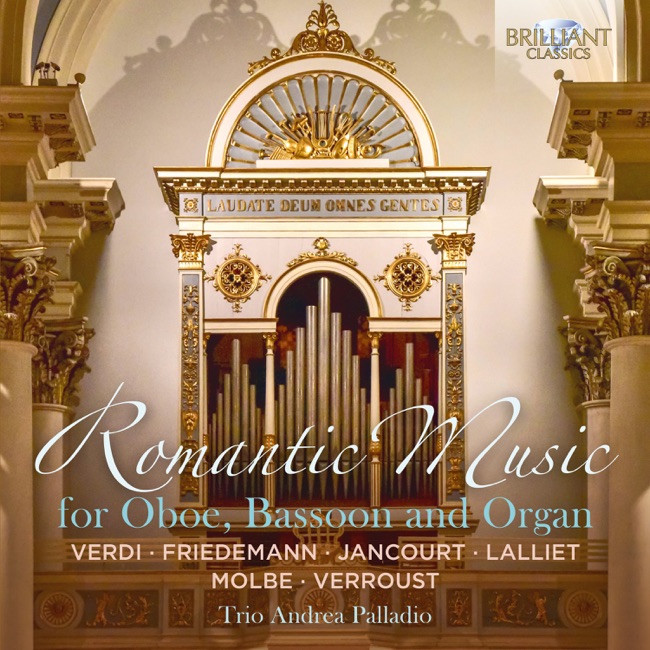
Released Album
Chamber
-
 August 1, 2022
 -
 November 9, 2018
 -
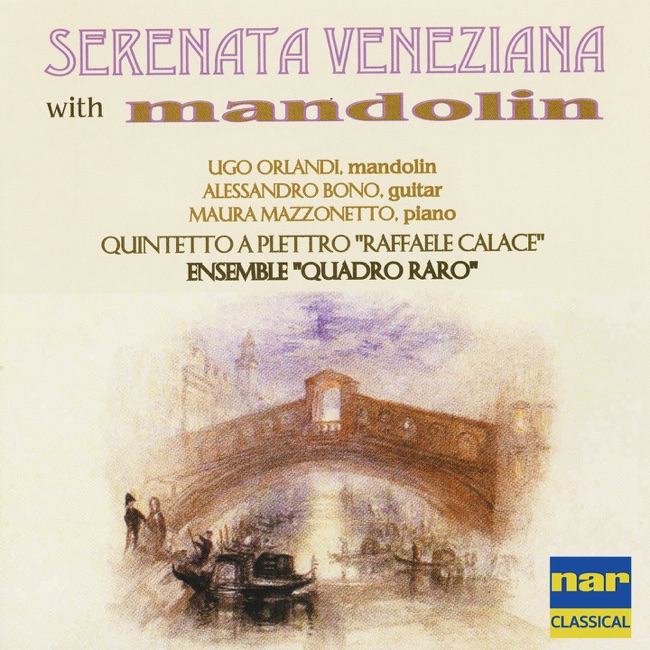 October 1, 2002
Artist Info
Role:ComposerBirth:1835Death:1915Genre:ChamberHeinrich Molbe was a German composer of the late 19th and early 20th centuries. Born on January 12, 1865, in the city of Leipzig, Molbe was the son of a prominent music teacher and composer. From a young age, he showed a natural talent for music and began studying piano and composition with his father. Molbe's early compositions were heavily influenced by the Romantic style of the time, with lush harmonies and sweeping melodies. He quickly gained a reputation as a promising young composer, and his works were performed by some of the leading orchestras and ensembles of the day. In 1885, Molbe moved to Berlin to study at the prestigious Hochschule für Musik. There, he studied with some of the leading composers of the time, including Max Bruch and Joseph Joachim. He also became involved in the city's vibrant music scene, attending concerts and performances by some of the greatest musicians of the day. During his time in Berlin, Molbe continued to compose prolifically, producing a wide range of works in various genres. His music was characterized by its emotional intensity and technical virtuosity, and he quickly gained a reputation as one of the most exciting young composers of his generation. One of Molbe's most significant early works was his Symphony No. 1, which he composed in 1890. The piece was premiered to great acclaim, with critics praising its bold harmonies and sweeping melodies. The symphony remains one of Molbe's most popular works to this day. In 1892, Molbe was appointed as a professor of composition at the Hochschule für Musik in Berlin. This was a significant honor for the young composer, and it allowed him to focus on his own creative work while also mentoring the next generation of musicians. Over the next few years, Molbe continued to produce a steady stream of works, including several operas, chamber music pieces, and orchestral works. His music was increasingly influenced by the emerging modernist movement, with more dissonant harmonies and complex rhythms. One of Molbe's most significant works from this period was his opera, "Die Verwandlung," which he composed in 1901. The opera was based on the famous novella by Franz Kafka and was a groundbreaking work in its use of atonality and expressionist techniques. In 1905, Molbe was appointed as the director of the Hochschule für Musik in Berlin, a position he held for the next 20 years. During this time, he continued to compose and teach, and he became one of the most influential figures in the German music scene. One of Molbe's most significant works from this period was his Symphony No. 2, which he composed in 1910. The piece was a departure from his earlier works, with a more austere and introspective tone. The symphony was widely praised for its emotional depth and technical mastery. During World War I, Molbe's music became increasingly political, with works that expressed his opposition to the war and his support for pacifism. One of his most significant works from this period was his "War Requiem," which he composed in 1916. The piece was a powerful indictment of the horrors of war and remains one of Molbe's most moving works. In the years following the war, Molbe's music became increasingly experimental, with works that explored new forms and techniques. He also became involved in the emerging electronic music scene, experimenting with new technologies and creating some of the earliest electronic music compositions.More....
Recent Artist Music

Copyright Ⓒ 2013 Davinci Finger. All rights reseved
Service Terms & Policy