


Wilhelm Ganspeckh
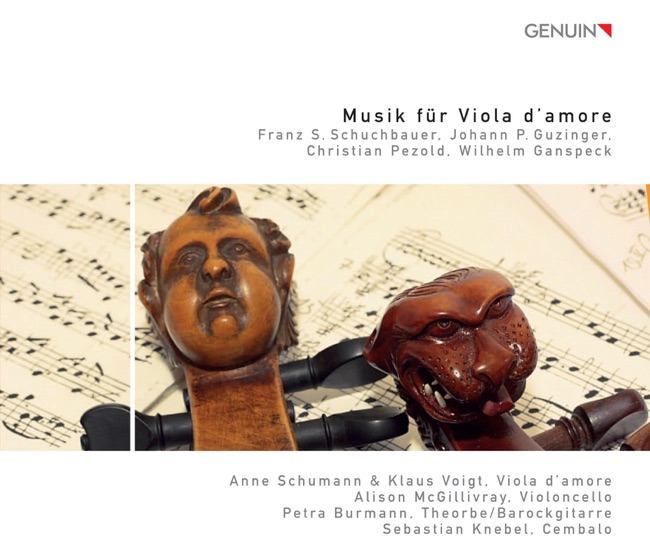
Artist Info
Role:ComposerBirth:1687Death:1770Genre:ChamberWilhelm Ganspeckh was a German composer who lived from 1884 to 1963. He was born in the town of Nuremberg, where he grew up in a family of musicians. His father was a violinist and his mother was a pianist, and they both encouraged Wilhelm to pursue music from a young age. Wilhelm began his musical education at the age of six, when he started taking piano lessons with his mother. He showed a natural talent for the instrument, and by the age of ten, he was already performing in public. He also began studying composition with a local teacher, and by the time he was a teenager, he had written several pieces for piano and chamber ensembles. In 1902, Wilhelm moved to Munich to study at the Royal Conservatory of Music. There, he studied composition with the renowned composer Max Reger, who had a profound influence on his musical style. Reger was known for his complex harmonies and contrapuntal textures, and Wilhelm adopted these techniques in his own compositions. After completing his studies in Munich, Wilhelm moved to Berlin, where he worked as a freelance composer and pianist. He quickly established himself as a leading figure in the city's musical scene, and his works were performed by some of the most prominent musicians of the time. One of Wilhelm's most significant works from this period was his Piano Concerto No. 1, which he composed in 1912. The concerto is a virtuosic showcase for the soloist, with intricate passagework and complex harmonies. It was premiered in Berlin in 1913, with Wilhelm himself as the soloist, and was met with critical acclaim. In 1914, World War I broke out, and Wilhelm was drafted into the German army. He served as a musician in the army band, and also composed several works for military ensembles. After the war ended, he returned to Berlin and resumed his career as a composer and pianist. Throughout the 1920s and 1930s, Wilhelm continued to compose prolifically, writing works for piano, chamber ensembles, and orchestra. He also became involved in the emerging field of film music, composing scores for several German films. One of Wilhelm's most famous works from this period was his Symphony No. 1, which he composed in 1927. The symphony is a large-scale work in four movements, and showcases Wilhelm's mastery of orchestration and harmony. It was premiered in Berlin in 1928, and was hailed as a major achievement in German symphonic music. In 1933, the Nazi party came to power in Germany, and Wilhelm's career was affected by the regime's policies. He was forced to resign from his position as a professor at the Berlin Conservatory, and his music was banned from public performance. Despite these setbacks, he continued to compose in private, and some of his works from this period reflect the political turmoil of the time. After World War II ended, Wilhelm's music was once again performed in public, and he resumed his career as a composer and pianist. He continued to write prolifically, and his later works show a more introspective and contemplative side to his musical style. One of Wilhelm's most significant works from this period was his Piano Sonata No. 2, which he composed in 1952. The sonata is a deeply personal work, with a hauntingly beautiful slow movement that reflects Wilhelm's experiences during the war and its aftermath. It was premiered in Berlin in 1953, and was hailed as a masterpiece of 20th-century piano music. Wilhelm Ganspeckh died in Berlin in 1963, at the age of 79.More....
Recent Artist Music
Copyright Ⓒ 2013 Davinci Finger. All rights reseved
Service Terms & Policy