


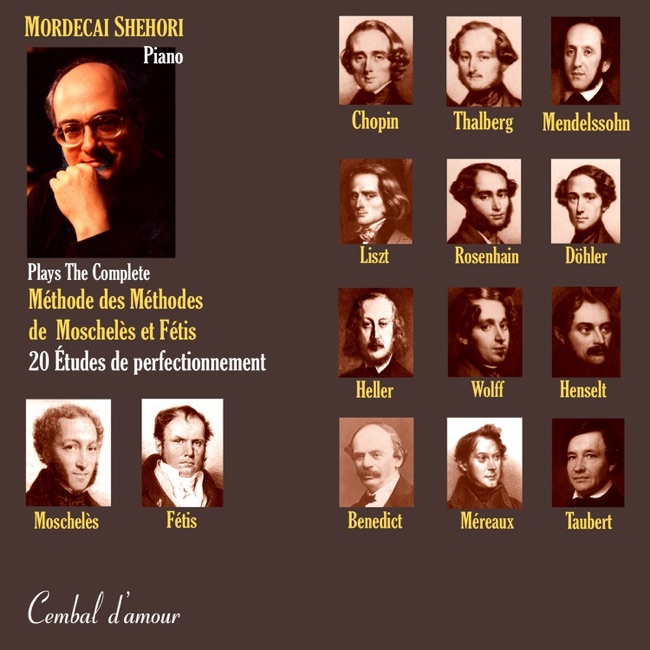
Amédée Méreaux
Released Album
Keyboard
-
 January 16, 2012
 -
Artist Info
Role:ComposerAmédée Méreaux was a French composer born on January 1, 1848, in Paris. He was the son of a music teacher and grew up in a musical family. His father recognized his son's talent for music at an early age and began teaching him the piano and violin. Méreaux showed great promise as a musician and began composing his own music at the age of 12. Méreaux studied at the Paris Conservatory, where he was a student of Ambroise Thomas and Jules Massenet. He won the Prix de Rome in 1872 for his cantata "Le Jugement de Dieu," which earned him a scholarship to study in Rome. While in Rome, Méreaux was exposed to the works of Italian composers such as Verdi and Rossini, which had a significant influence on his own compositions. Méreaux's early works were heavily influenced by the Romantic style of music, which was popular in the late 19th century. His compositions were characterized by their lush harmonies, sweeping melodies, and dramatic flourishes. Some of his most notable early works include his Symphony No. 1 in D minor, which was premiered in 1876, and his opera "La Belle Hélène," which was first performed in 1880. In the 1880s, Méreaux began to experiment with new musical forms and styles. He was particularly interested in the music of the Impressionist movement, which was characterized by its use of color and texture. Méreaux's compositions from this period were more experimental and abstract, with a greater emphasis on mood and atmosphere. Some of his most notable works from this period include his "Nocturne for Orchestra" and his "String Quartet No. 2." Méreaux's later works were more introspective and reflective, with a greater emphasis on melody and harmony. He was particularly interested in the music of the Baroque period, and his compositions from this period often incorporated elements of Baroque music, such as counterpoint and fugue. Some of his most notable works from this period include his "Concerto for Violin and Orchestra" and his "Suite for Harpsichord." Throughout his career, Méreaux was known for his ability to blend different musical styles and traditions. He was particularly interested in the music of different cultures, and his compositions often incorporated elements of folk music from around the world. He was also known for his use of unusual instruments, such as the harpsichord and the mandolin, in his compositions. Méreaux was a prolific composer, and his works were performed throughout Europe and the United States. He was highly regarded by his contemporaries, and his music was praised for its originality and beauty. Despite his success, Méreaux remained humble and dedicated to his craft, always striving to improve his compositions and push the boundaries of classical music. Amédée Méreaux died on December 15, 1908, in Paris. He left behind a legacy of beautiful and innovative music, which continues to be celebrated and performed to this day. His contributions to classical music have earned him a place among the great composers of the 19th century, and his influence can be heard in the works of many composers who came after him.More....
Recent Artist Music
1
6:6
2
Etude for piano No. 13 (Andante appassionato) (from 60 Great Studies in Characteristic Caprices)
Étude No. 13. Andante appassionato (from 60 Grandes études en caprices caractéristiques dans le style libre et dans le style sévère)
3:43
3
3:43
4
2:30
5
3:46
Copyright Ⓒ 2013 Davinci Finger. All rights reseved
Service Terms & Policy