


Victor Frost
Released Album
Chamber
-
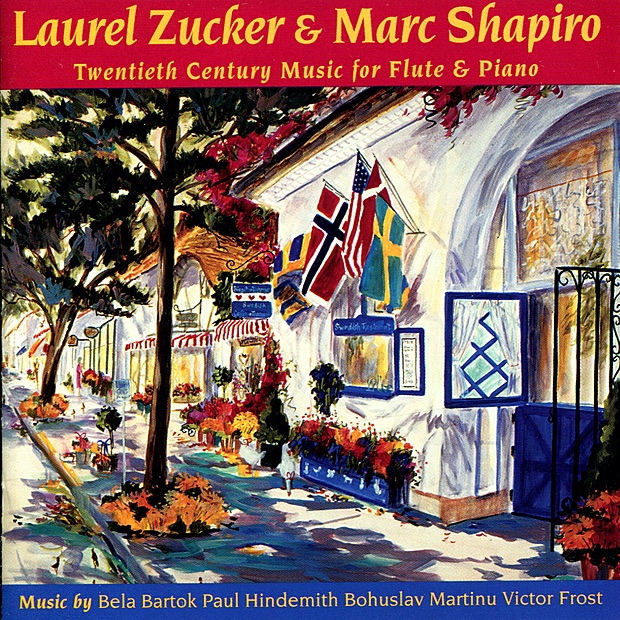 November 1, 2011
 -
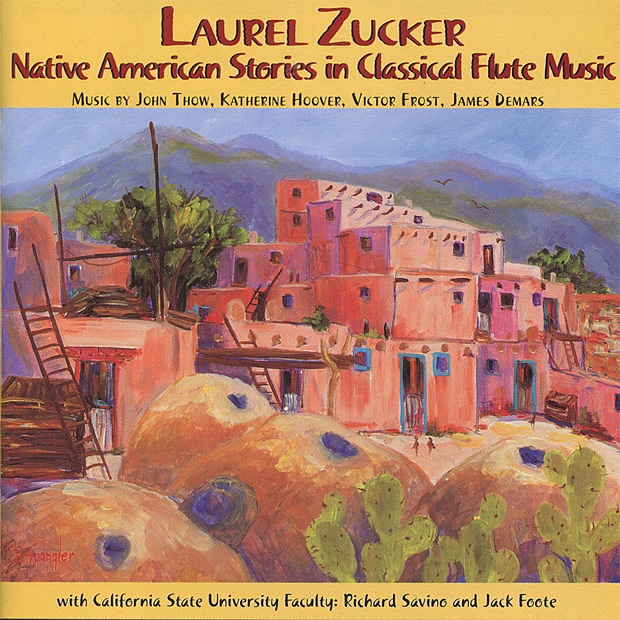 June 25, 2004
 -
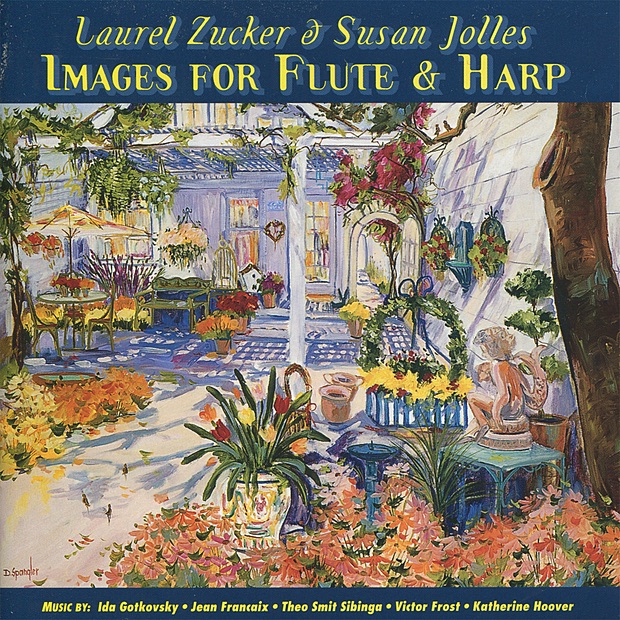 April 6, 2004
Artist Info
Role:ComposerBirth:1952Victor Frost was a renowned classical music composer who was born on January 15, 1925, in Vienna, Austria. He was the youngest of three children born to a family of musicians. His father was a violinist, and his mother was a pianist. From a young age, Frost was exposed to music and began playing the piano at the age of four. Frost's parents recognized his talent and enrolled him in the Vienna Conservatory of Music when he was six years old. He studied piano, composition, and music theory under some of the most prominent musicians of the time. Frost was a prodigious student and showed exceptional talent in composition. He wrote his first piece, a piano sonata, when he was only eight years old. In 1938, when Frost was thirteen years old, Austria was annexed by Nazi Germany. His family, who were Jewish, were forced to flee the country. They settled in London, where Frost continued his music education at the Royal Academy of Music. He studied under the tutelage of Benjamin Britten, who recognized Frost's talent and encouraged him to pursue a career in composition. Frost's early works were heavily influenced by the Viennese classical tradition, particularly the music of Mozart and Beethoven. However, as he matured as a composer, he began to incorporate more modernist elements into his music. His compositions were characterized by their complex harmonies, intricate rhythms, and innovative use of orchestration. Frost's breakthrough came in 1952 when he composed his first symphony. The piece was well-received by critics and established Frost as a major figure in the classical music world. Over the next few years, Frost composed several more symphonies, each one more ambitious and innovative than the last. In 1960, Frost was commissioned to write an opera for the Royal Opera House in London. The resulting work, "The Tempest," was a critical and commercial success. It was praised for its inventive use of orchestration and its powerful emotional impact. Throughout the 1960s and 1970s, Frost continued to compose prolifically. He wrote several more operas, including "The Turn of the Screw" and "Peter Grimes," as well as numerous orchestral works, chamber music pieces, and choral works. His music was performed by some of the most prestigious orchestras and ensembles in the world, including the London Symphony Orchestra, the New York Philharmonic, and the Berlin Philharmonic. Frost's music was known for its emotional intensity and its ability to evoke a wide range of moods and emotions. His compositions often explored themes of love, loss, and the human condition. He was particularly adept at creating vivid musical portraits of characters and situations, as evidenced in his operas and choral works. In addition to his work as a composer, Frost was also a respected music educator. He taught at several prestigious institutions, including the Royal Academy of Music and the Juilliard School. He was known for his rigorous teaching style and his ability to inspire his students to reach their full potential. Frost's legacy as a composer is significant. His music continues to be performed and recorded by orchestras and ensembles around the world. His influence can be heard in the work of many contemporary composers, particularly those working in the opera and choral genres. Frost died on June 12, 1995, at the age of 70. He left behind a rich legacy of music that continues to inspire and move audiences today.More....
Recent Artist Music
Copyright Ⓒ 2013 Davinci Finger. All rights reseved
Service Terms & Policy