


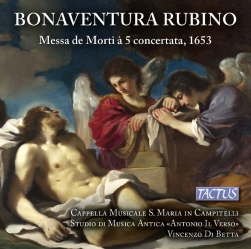
Bonaventura Rubino
Released Album
Choral
-
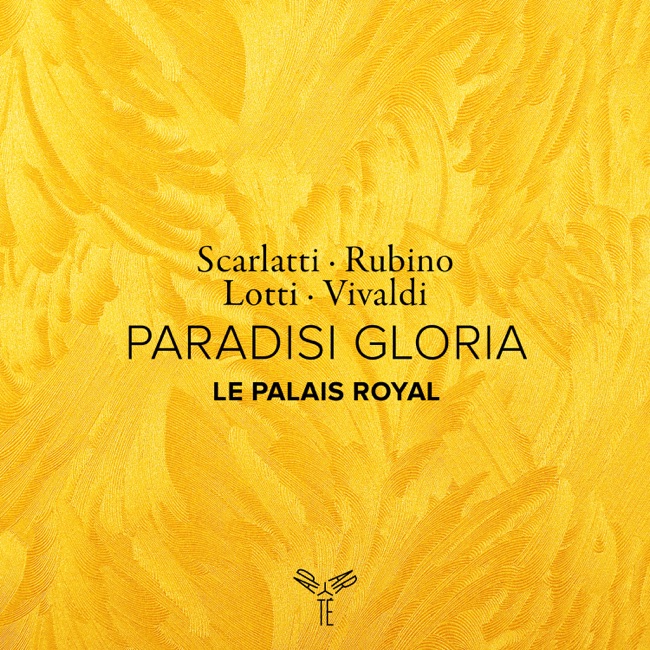 March 22, 2024
 -
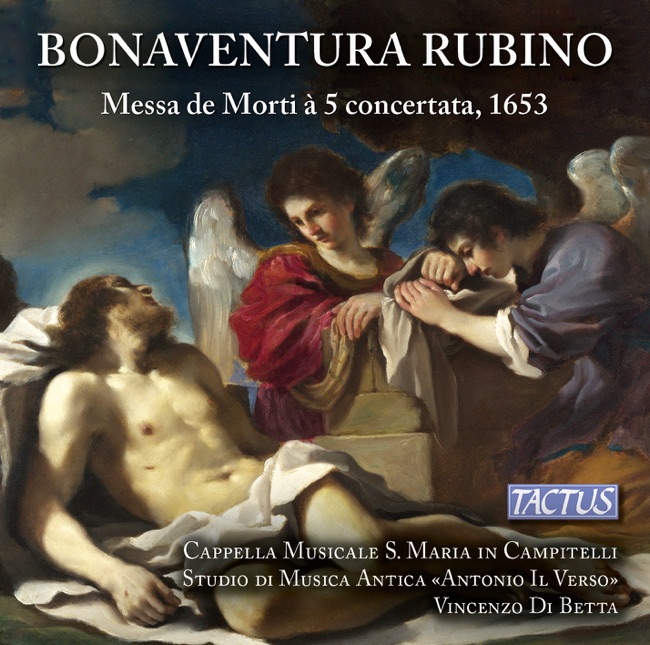 February 10, 2015
 -
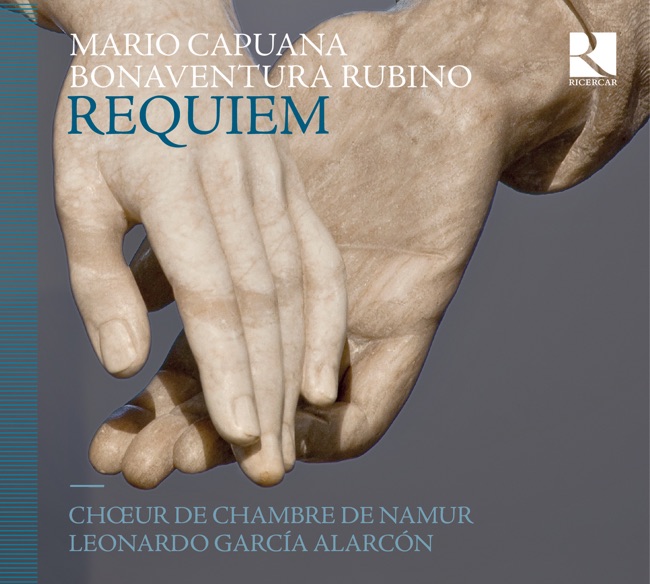 January 27, 2015
Artist Info
Role:ComposerBonaventura Rubino was a prominent Italian composer of the Baroque era, born in Naples in 1600. He was the son of a musician, and his father recognized his son's musical talent at an early age. Rubino received his early musical education from his father, who was a singer and a composer himself. He also studied with other prominent musicians of his time, including Giovanni de Macque and Ascanio Mayone. Rubino's musical career began in Naples, where he worked as a singer and a composer for various churches and noble families. He quickly gained a reputation as a talented musician, and his works were widely admired for their beauty and complexity. In 1625, he was appointed as the maestro di cappella at the church of Santa Maria degli Angeli in Naples, a position he held for the rest of his life. Rubino's music was heavily influenced by the Baroque style, which was characterized by its ornate melodies, complex harmonies, and elaborate instrumentation. He was particularly known for his use of the basso continuo, a technique in which a bass line is played continuously throughout a piece, providing a foundation for the other instruments to build upon. One of Rubino's most famous works is his Missa Brevis, a short mass for four voices and basso continuo. The piece is notable for its intricate harmonies and beautiful melodies, and it has been performed by choirs around the world. Another of his well-known works is his Sonata a 4, a piece for four instruments that showcases Rubino's skill at writing complex counterpoint. Rubino's music was also influenced by the music of his contemporaries, including Claudio Monteverdi and Girolamo Frescobaldi. He was particularly interested in the new styles of music that were emerging in Italy at the time, including the stile moderno, which emphasized the use of dissonance and chromaticism. Despite his success as a composer, Rubino was not without his critics. Some accused him of being too experimental in his music, while others felt that his works were too complex and difficult to perform. However, his music continued to be popular throughout his lifetime, and he remained a respected figure in the musical world until his death in 1668. Today, Rubino is remembered as one of the most important composers of the Baroque era. His works continue to be performed and recorded by musicians around the world, and his influence can be heard in the music of many later composers. His legacy is a testament to the power of music to transcend time and place, and to touch the hearts and minds of people across generations.More....
Recent Artist Music
Copyright Ⓒ 2013 Davinci Finger. All rights reseved
Service Terms & Policy