


Terence Croucher
Released Album
Chamber
-
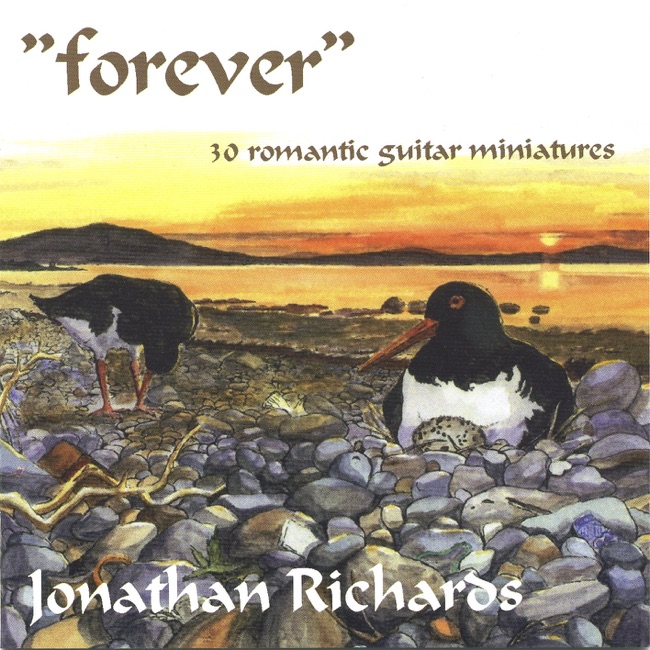 October 24, 2006
 -
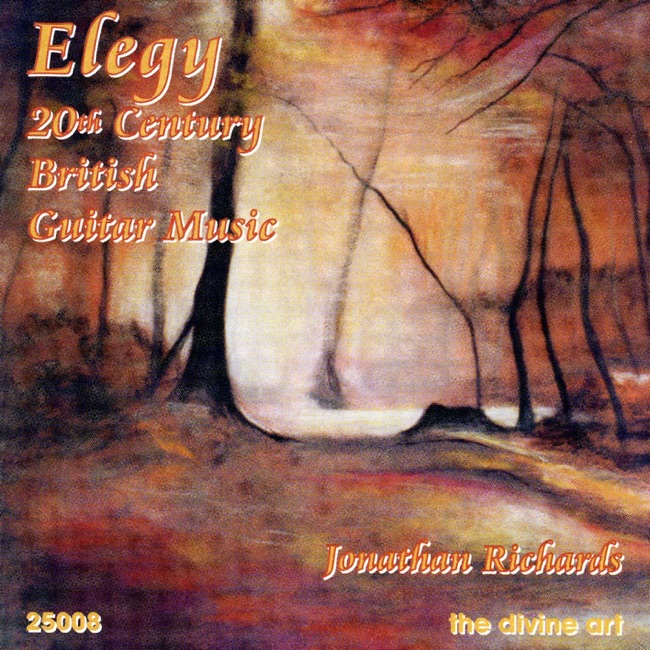 March 1, 1998
Artist Info
Role:ComposerTerence Croucher was a British composer and pianist who was born on August 22, 1932, in London, England. He was the youngest of three children and grew up in a musical family. His father was a violinist and his mother was a pianist, and both of his siblings were also musically inclined. Croucher began playing the piano at a young age and showed a natural talent for music. Croucher attended the Royal Academy of Music in London, where he studied composition with Alan Bush and piano with Harold Craxton. He graduated with a Bachelor of Music degree in 1954 and went on to pursue a career as a composer and pianist. Croucher's early works were heavily influenced by the music of Arnold Schoenberg and other composers of the Second Viennese School. His first major composition, the String Quartet No. 1, was written in 1955 and premiered at the Wigmore Hall in London the following year. The piece was well-received and established Croucher as a promising young composer. In the late 1950s and early 1960s, Croucher began to experiment with serialism and other avant-garde techniques. His Piano Sonata No. 1, written in 1959, is a prime example of his early serialist style. The piece is characterized by its dissonant harmonies and complex rhythms, and it was praised by critics for its originality and technical skill. Croucher's music began to evolve in the 1960s as he became more interested in tonality and traditional forms. His Symphony No. 1, written in 1963, is a large-scale work that combines elements of serialism with more traditional harmonies and melodies. The piece was premiered by the BBC Symphony Orchestra and received positive reviews. Throughout the 1960s and 1970s, Croucher continued to compose works in a variety of genres, including chamber music, vocal music, and orchestral music. His String Quartet No. 2, written in 1967, is a particularly notable work that showcases his skill at writing for the string quartet. The piece is characterized by its intricate counterpoint and rich harmonies, and it has become a staple of the modern string quartet repertoire. Croucher's music became more tonal and accessible in the 1980s and 1990s, as he began to focus on writing music that was more emotionally expressive and communicative. His Symphony No. 2, written in 1985, is a powerful work that combines elements of traditional tonality with modernist techniques. The piece was premiered by the London Symphony Orchestra and received critical acclaim. Croucher's later works include a number of pieces for solo piano, including the Piano Sonata No. 2 (1990) and the Piano Concerto (1995). These works showcase his skill as a pianist and his ability to write music that is both technically challenging and emotionally engaging. In addition to his work as a composer, Croucher was also a respected music educator. He taught at the Royal Academy of Music for many years and was known for his dedication to his students. He was also a prolific writer on music, and his articles and reviews were published in a number of music journals and magazines. Terence Croucher passed away on December 31, 2007, at the age of 75. He left behind a legacy of innovative and expressive music that continues to be performed and admired by musicians and audiences around the world.More....
Recent Artist Music

Copyright Ⓒ 2013 Davinci Finger. All rights reseved
Service Terms & Policy