


Knudåge Riisager
Released Album
Orchestral
-
 July 17, 2015
 -
 October 25, 2011
 -
 July 1, 2001
Miscellaneous
-
 January 27, 2023
Keyboard
-
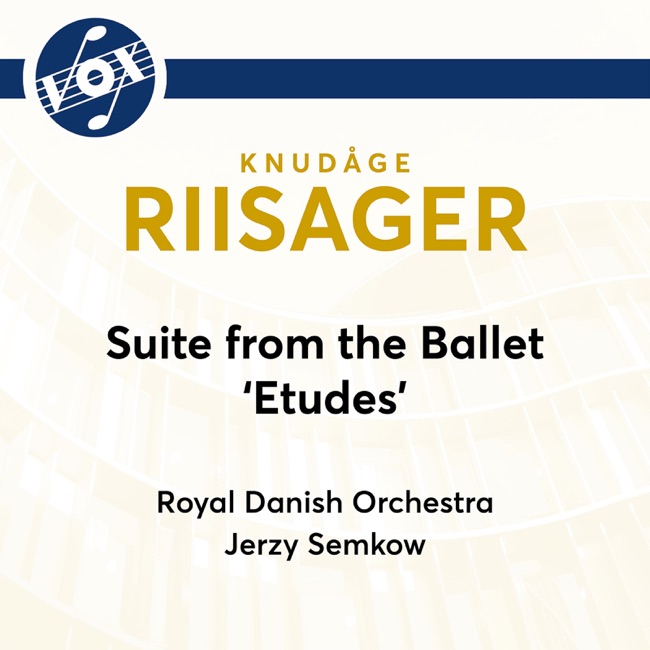 December 2, 2022
 -
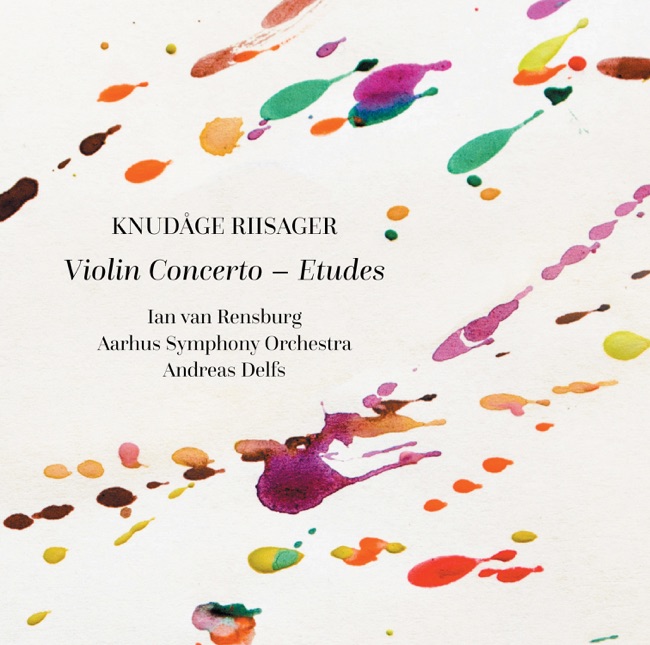 January 18, 2019
 -
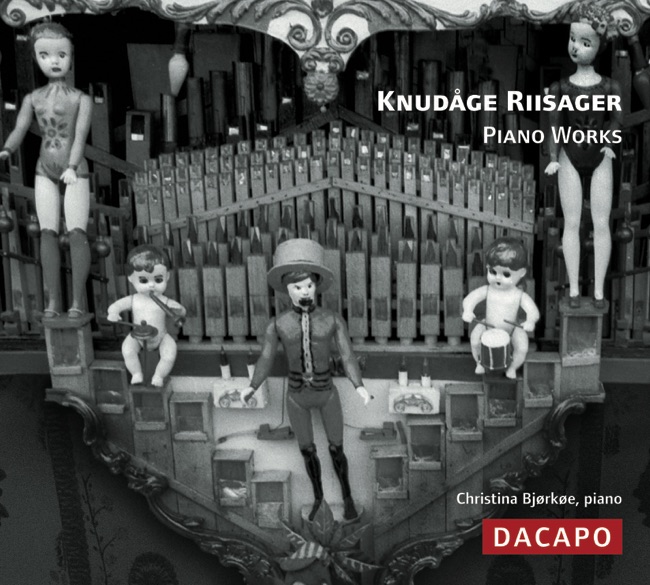 September 21, 2004
 -
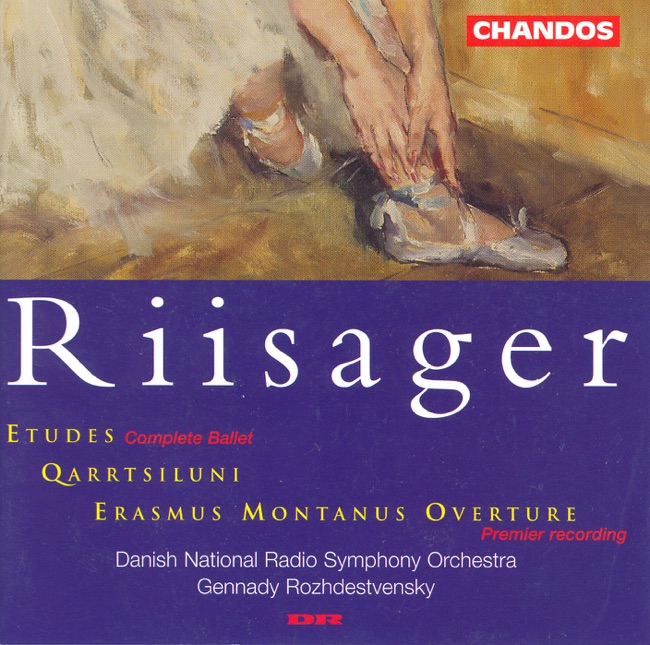 March 18, 1997
Concerto
-
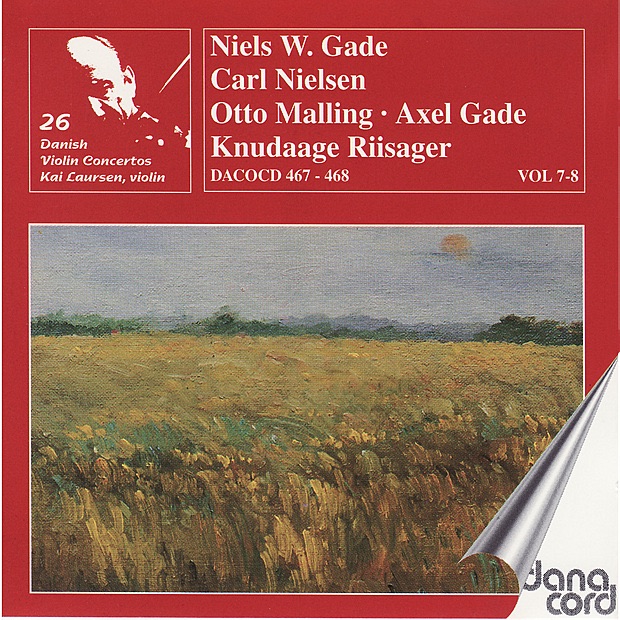 August 11, 2009
Artist Info
Role:ComposerBirth:March 6, 1897 in EstoniaDeath:December 26, 1974 in Copenhagen, DenmarkPeriod:ModernGenre:OrchestralVocalKnudåge Riisager was a Danish composer born on March 6, 1897, in Copenhagen, Denmark. He was the son of a pharmacist and grew up in a family that valued education and culture. His parents encouraged his interest in music, and he began playing the piano at a young age. Riisager's musical talent was evident from an early age, and he began composing music as a teenager. Riisager studied music at the Royal Danish Academy of Music in Copenhagen, where he was a student of the composer Carl Nielsen. Nielsen was a major influence on Riisager's music, and he encouraged him to develop his own unique style. Riisager also studied with the composer and conductor Albert Roussel in Paris, where he was exposed to the latest trends in contemporary music. Riisager's early works were influenced by the neoclassical style of Stravinsky and the French composers of the time. His first major work was the ballet "Slaraffenland," which was premiered in 1926. The ballet was a huge success and established Riisager as one of Denmark's leading composers. In the 1930s, Riisager began to experiment with new forms and techniques, including serialism and atonality. His music became more complex and challenging, and he began to incorporate elements of jazz and popular music into his compositions. His most famous work from this period is the ballet "Etudes," which was premiered in 1940. The ballet is a tribute to the art of dance and features a series of musical "etudes" that explore different aspects of dance technique. During World War II, Riisager became involved in the Danish resistance movement and was forced to go into hiding to avoid arrest by the Nazis. Despite the danger, he continued to compose music and even wrote a number of patriotic songs to boost morale among the Danish people. After the war, Riisager continued to compose music and became a professor of composition at the Royal Danish Academy of Music. He also served as the director of the Danish National Radio Symphony Orchestra from 1950 to 1955. Riisager's later works were more introspective and reflective, and he returned to the neoclassical style of his early years. Riisager's music is characterized by its clarity, precision, and elegance. He was a master of orchestration and was able to create a wide range of moods and textures with his music. His works are often inspired by literature, art, and dance, and he was particularly interested in exploring the relationship between music and movement. Some of Riisager's most famous works include the ballets "Slaraffenland," "Etudes," and "Qarrtsiluni," as well as the orchestral works "Tolv med posten" and "Sinfonia concertante." He also wrote a number of chamber works, including string quartets and sonatas for various instruments. Riisager's music has been performed by orchestras and ensembles around the world, and he is considered one of Denmark's greatest composers. His legacy continues to inspire new generations of musicians and composers, and his music remains an important part of the classical repertoire.More....
Recent Artist Music
2
2:42
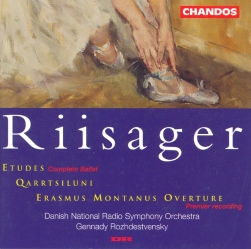
5
2:2
9
10:40
10
4:33
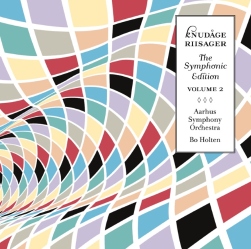
13
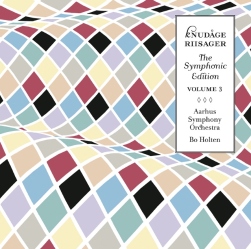
Summer Rhapsody (on Danish folk melodies)
Summer Rhapsody (on Danish folk melodies) for orchestra
11:32

Copyright Ⓒ 2013 Davinci Finger. All rights reseved
Service Terms & Policy