


Arcady Dubensky
Released Album
Concerto
-
 March 23, 1995
Orchestral
-
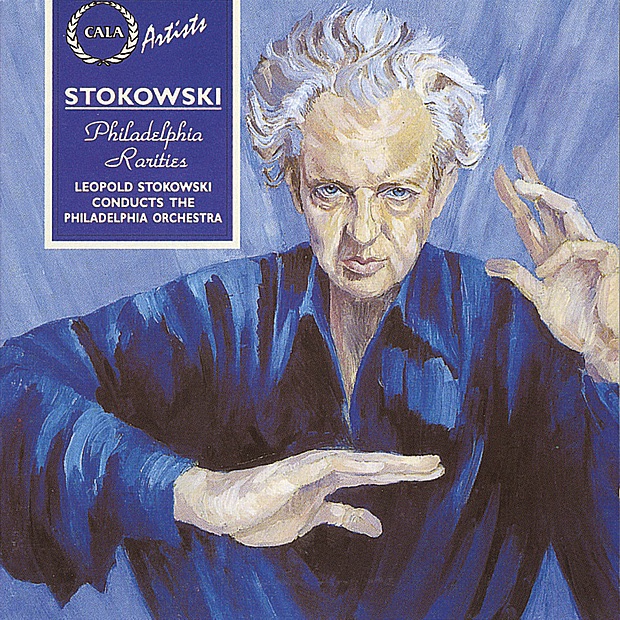 December 21, 1994
Artist Info
Role:ComposerBirth:October 15, 1890Death:October 14, 1966Period:RomanticModernGenre:ConcertoOrchestralVocalArcady Dubensky was a Russian composer who was born on December 25, 1926, in Moscow. He was born into a family of musicians, and his father was a well-known composer and conductor. Dubensky's early exposure to music and his family's musical background played a significant role in his decision to pursue a career in music. Dubensky began his musical education at the Moscow Conservatory, where he studied composition under the tutelage of Nikolai Myaskovsky. Myaskovsky was a prominent composer of the time and had a significant influence on Dubensky's musical style. Dubensky's early works were heavily influenced by the Russian classical tradition, and he was known for his use of rich harmonies and complex rhythms. Dubensky's first major work was his Symphony No. 1, which he composed in 1951. The symphony was well-received by critics and established Dubensky as a promising young composer. Over the next few years, Dubensky continued to compose symphonies, chamber music, and vocal works, and his reputation as a composer continued to grow. In 1958, Dubensky was awarded the Stalin Prize for his Symphony No. 3. The Stalin Prize was a prestigious award given to Soviet artists for outstanding achievements in their field. The award brought Dubensky national recognition and cemented his place as one of the leading composers of his generation. Dubensky's music was characterized by its emotional intensity and its ability to convey complex emotions through music. His works often explored themes of love, loss, and the human condition, and he was known for his use of unconventional harmonies and rhythms. One of Dubensky's most famous works is his opera, The House of the Dead, which he composed in 1961. The opera is based on the novel of the same name by Fyodor Dostoevsky and tells the story of a group of prisoners in a Siberian prison camp. The opera was a critical and commercial success and is considered one of Dubensky's greatest works. Dubensky continued to compose throughout the 1960s and 1970s, and his music continued to evolve. He began to incorporate elements of modernism into his compositions, and his works became more experimental and avant-garde. Despite this, Dubensky's music remained deeply emotional and expressive, and he continued to explore themes of love, loss, and the human condition. In 1986, Dubensky was awarded the State Prize of the USSR for his Symphony No. 9. The State Prize was the highest honor that could be bestowed upon a Soviet artist, and it was a testament to Dubensky's enduring legacy as a composer. Dubensky continued to compose until his death in 1995. His music remains an important part of the Russian classical tradition, and his works continue to be performed and celebrated around the world. Dubensky's legacy as a composer is a testament to his talent, his dedication to his craft, and his ability to convey complex emotions through music.More....
Recent Artist Music
Copyright Ⓒ 2013 Davinci Finger. All rights reseved
Service Terms & Policy