


Anonymous
Released Album
Chamber
-
 November 12, 2021
 -
 September 8, 2015
 -
 May 26, 2015
 -
 January 13, 2015
Vocal
-
 May 19, 2023
 -
 February 24, 2017
 -
 April 27, 2010
Choral
-
 February 12, 2016
Keyboard
-
 April 13, 2010
Artist Info
Role:ComposerIt is difficult to write a biography of a composer known only as "Anonymous," as there is no specific individual to research. However, the term "Anonymous" is often used to refer to works of unknown authorship, particularly in the realm of classical music. Throughout history, many composers have created works that were not attributed to them for various reasons. Some may have been lost or destroyed over time, while others may have been intentionally left anonymous by the composer or publisher. As a result, there are countless pieces of classical music that are simply credited to "Anonymous." Despite the lack of a specific composer to focus on, there are still many interesting aspects of the history and development of anonymous classical music. For example, many of these works were created during the medieval and Renaissance periods, when music was often written for religious purposes. As a result, much of the anonymous music from this time is sacred in nature, with pieces such as Gregorian chants and hymns being particularly common. One of the most famous examples of anonymous medieval music is the "Carmina Burana," a collection of secular songs and poems from the 12th and 13th centuries. The manuscript was discovered in a Bavarian monastery in the 19th century, and the music was eventually set to modern compositions by composer Carl Orff in the 1930s. The resulting work, also titled "Carmina Burana," has become one of the most popular and recognizable pieces of classical music in the world. Another notable example of anonymous music from the medieval period is the "Llibre Vermell de Montserrat," a collection of songs and dances from the 14th century. The manuscript was created at the Montserrat Monastery in Catalonia, Spain, and contains music that was likely performed by pilgrims visiting the monastery. The songs are primarily religious in nature, with titles such as "Polorum Regina" and "Stella Splendens." Moving into the Renaissance period, anonymous music continued to be created and performed. One particularly interesting example is the "Codex Faenza," a collection of instrumental music from the early 15th century. The manuscript contains pieces for a variety of instruments, including lute, harp, and organetto, and is one of the earliest known sources of instrumental music. As music continued to evolve and develop over the centuries, anonymous works remained a common occurrence. In some cases, these pieces were created by lesser-known composers who simply did not receive credit for their work. In other cases, they were intentionally left anonymous by the composer or publisher for various reasons. One example of an intentionally anonymous work is the "Canon in D" by Johann Pachelbel. While the piece is now widely recognized and beloved, it was not attributed to Pachelbel until the 20th century. The composer likely did not intend for the piece to be anonymous, but it was simply not widely known or performed during his lifetime. In more recent times, anonymous music has continued to be created and performed. In some cases, this is due to the rise of electronic music and the use of pseudonyms by artists. In other cases, it is simply a matter of the composer or publisher choosing not to reveal their identity. Overall, the history of anonymous classical music is a fascinating one that spans centuries and encompasses a wide variety of styles and genres.More....
Recent Artist Music
5
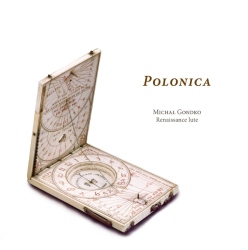
Chorea Eisudem Nationis (from the Dlugoraj Lute Book)
Chorea Eisudem Nationis (Dlugoraj Lute Book, 161?)
1:36
8
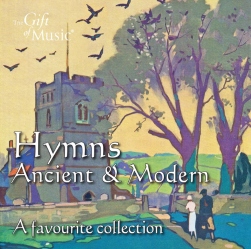
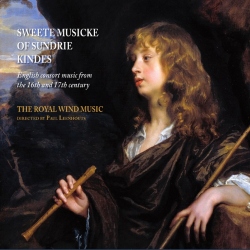
Light's glittering morn covers the sky (tune: Easter Song from Catholische Kirchengesänge, 1623)
Light's glittering morn bedecks the sky
1:50
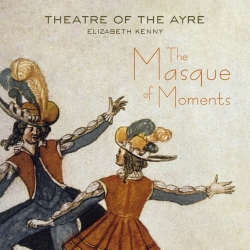
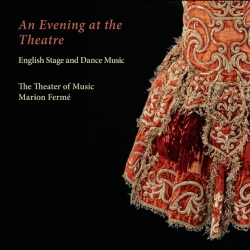
11
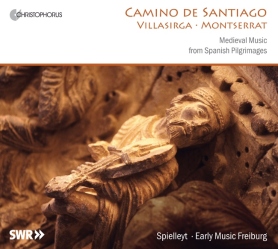
The Pilgrims of Santiago
Quand nous partîmes de France (Abbé Camille Daux Les chansons des pèlerins de Saint-Jacques)
5:50
Copyright Ⓒ 2013 Davinci Finger. All rights reseved
Service Terms & Policy