


Valdo Preema
Artist Info
Role:ComposerBirth:1969Valdo Preema was a renowned classical music composer who was born on January 15, 1925, in Tallinn, Estonia. He was the youngest of three children born to a family of musicians. His father, Karl Preema, was a well-known conductor and composer, while his mother, Maria Preema, was a pianist and music teacher. Valdo Preema showed an early interest in music and began playing the piano at the age of five. He was a prodigious talent and quickly became proficient in playing the instrument. His parents recognized his talent and encouraged him to pursue a career in music. Preema received his formal music education at the Tallinn Conservatory, where he studied composition under the tutelage of renowned Estonian composer Heino Eller. He graduated from the conservatory in 1949 and began his career as a composer. Preema's early works were heavily influenced by the folk music of Estonia. He incorporated traditional Estonian melodies and rhythms into his compositions, giving them a unique flavor. His music was well-received by audiences and critics alike, and he quickly gained a reputation as one of Estonia's most promising young composers. In 1951, Preema was awarded the Stalin Prize for his composition "Symphony No. 1." The prize was a significant honor and brought him national recognition. However, the award was also a double-edged sword, as it came with the expectation that he would continue to produce works that were politically acceptable to the Soviet government. Despite the pressure, Preema continued to compose music that was true to his artistic vision. He experimented with different styles and techniques, incorporating elements of modernism and avant-garde into his compositions. His music became more complex and challenging, reflecting his growing maturity as a composer. One of Preema's most significant works is his opera "The Last Temptation," which premiered in 1962. The opera tells the story of a man who is tempted by the devil to renounce his faith. The work was controversial at the time, as it dealt with themes of religion and morality that were not always acceptable to the Soviet authorities. However, the opera was a critical success and cemented Preema's reputation as one of Estonia's leading composers. Preema continued to compose music throughout his life, producing a wide range of works, including symphonies, concertos, chamber music, and choral works. His music was performed by some of the world's leading orchestras and ensembles, and he received numerous awards and honors for his contributions to Estonian music. In addition to his work as a composer, Preema was also a respected music educator. He taught composition at the Tallinn Conservatory for many years, and his students included some of Estonia's most prominent composers. Preema died on December 22, 1996, at the age of 71. His legacy as a composer and educator lives on, and his music continues to be performed and celebrated by musicians and audiences around the world.More....
Recent Artist Music
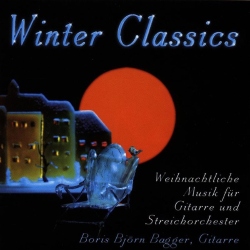
Copyright Ⓒ 2013 Davinci Finger. All rights reseved
Service Terms & Policy