


Douglas Pew
Released Album
Choral
-
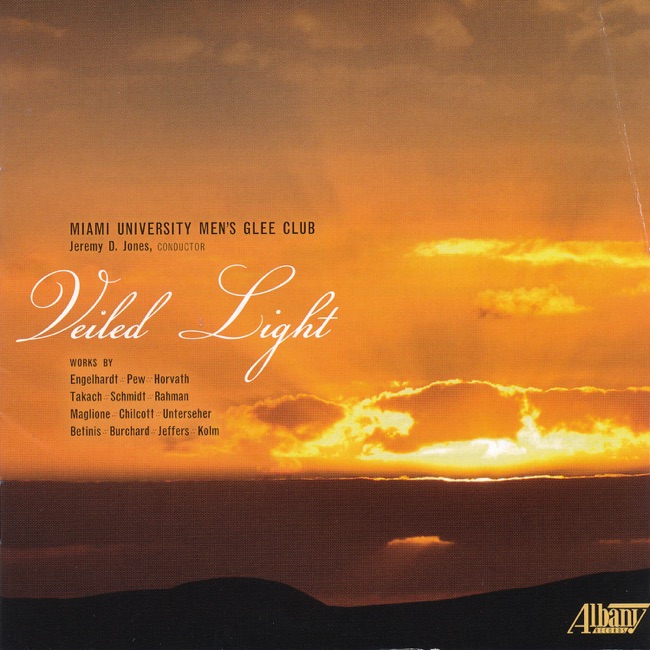 August 9, 2016
 -
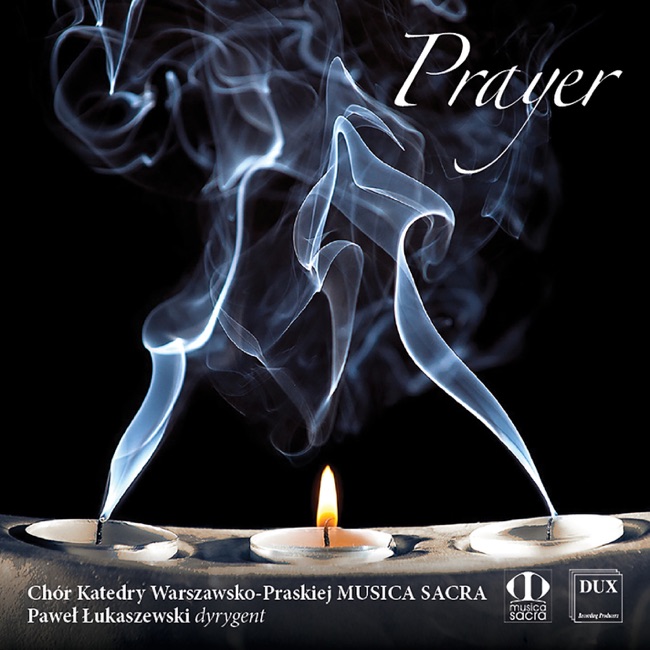 March 31, 2014
Keyboard
-
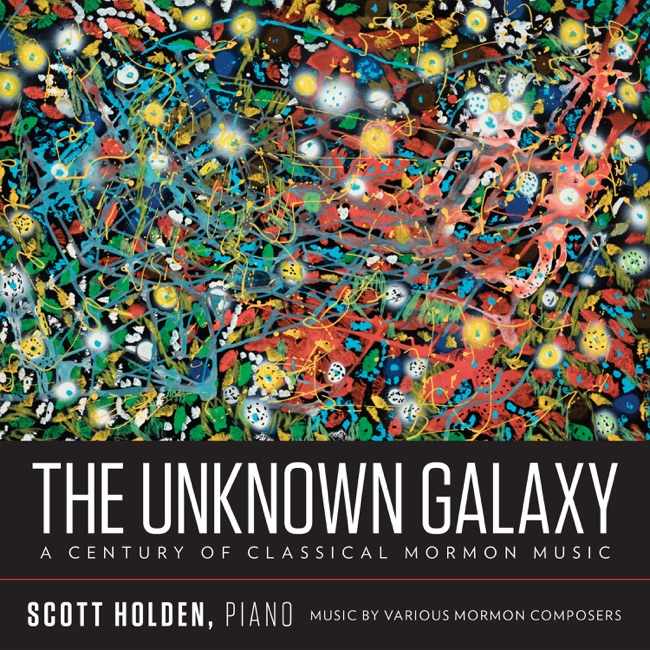 August 10, 2018
Artist Info
Role:ComposerDouglas Pew is a contemporary classical music composer who was born in 1980 in the United States. He grew up in a musical family, with his mother being a pianist and his father a composer. From a young age, Pew showed a keen interest in music and began playing the piano at the age of four. He later learned to play the violin and the trumpet. Pew attended the University of Michigan, where he earned a Bachelor of Music degree in composition. He then went on to earn a Master of Music degree in composition from the University of Texas at Austin. During his time in college, Pew studied under several renowned composers, including William Bolcom, Michael Daugherty, and Donald Grantham. Pew's early works were heavily influenced by the music of his father, who was a composer of contemporary classical music. However, as he continued to develop his own style, Pew began to incorporate elements of jazz and popular music into his compositions. He has cited composers such as George Gershwin, Leonard Bernstein, and Aaron Copland as major influences on his work. One of Pew's most notable works is his Symphony No. 1, which was commissioned by the Austin Symphony Orchestra and premiered in 2010. The symphony is a four-movement work that showcases Pew's ability to blend classical and popular music styles. The first movement, titled "Fanfare," is a lively and energetic piece that features brass and percussion instruments. The second movement, "Ballad," is a slower and more contemplative piece that features a solo violin. The third movement, "Dance," is a lively and rhythmic piece that features elements of jazz and Latin music. The final movement, "Finale," is a triumphant and celebratory piece that brings the symphony to a thrilling conclusion. Another notable work by Pew is his Piano Concerto, which was commissioned by the Detroit Symphony Orchestra and premiered in 2014. The concerto is a three-movement work that features a solo piano accompanied by a full orchestra. The first movement, "Allegro," is a fast and energetic piece that showcases the virtuosity of the soloist. The second movement, "Adagio," is a slower and more introspective piece that features a beautiful melody played by the solo piano. The final movement, "Allegro con brio," is a lively and rhythmic piece that brings the concerto to a thrilling conclusion. In addition to his orchestral works, Pew has also composed several chamber music pieces. One of his most notable chamber works is his String Quartet No. 1, which was commissioned by the Fry Street Quartet and premiered in 2008. The quartet is a four-movement work that showcases Pew's ability to write for string instruments. The first movement, "Allegro," is a fast and energetic piece that features intricate interplay between the four instruments. The second movement, "Adagio," is a slower and more contemplative piece that features a beautiful melody played by the first violin. The third movement, "Scherzo," is a lively and rhythmic piece that features pizzicato playing by the strings. The final movement, "Finale," is a fast and exciting piece that brings the quartet to a thrilling conclusion. Pew's music has been performed by several major orchestras and ensembles, including the Detroit Symphony Orchestra, the Austin Symphony Orchestra, and the Fry Street Quartet.More....
Recent Artist Music
Copyright Ⓒ 2013 Davinci Finger. All rights reseved
Service Terms & Policy