


Giovanni Francesco Giuliani
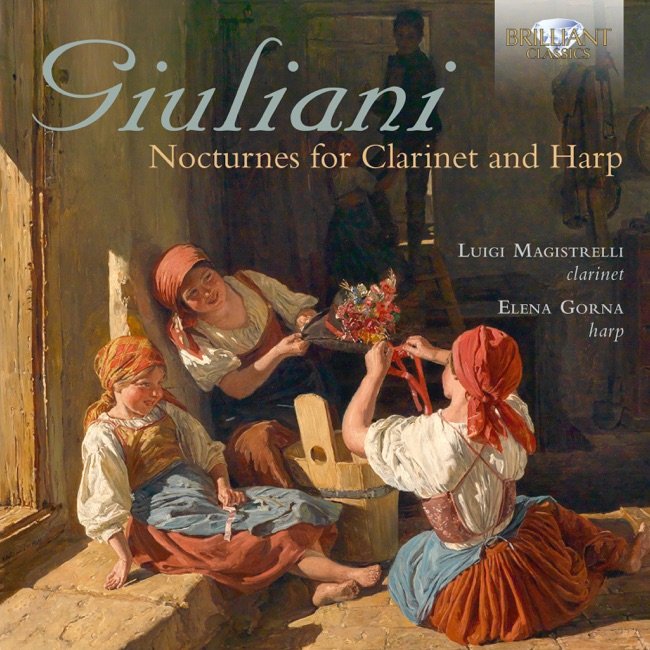
Artist Info
Role:ComposerCountry: ItalyBirth:1760Death:after 1818Period:ClassicalGiovanni Francesco Giuliani was an Italian composer of the Baroque era, born in the city of Lucca in 1760. He was the son of a musician, and his father recognized his son's musical talent at an early age. As a result, he began to teach him music theory and composition when he was just a child. Giuliani's early years were spent in Lucca, where he received his first musical education. He was a gifted student, and his father recognized his talent early on. He began to teach him music theory and composition when he was just a child. Giuliani's father was a member of the Lucca Cathedral choir, and he encouraged his son to join the choir as well. This gave Giuliani the opportunity to learn about choral music and to develop his skills as a singer. As a teenager, Giuliani moved to Bologna to study music at the Conservatorio di Santa Maria degli Angeli. He studied under some of the most prominent composers of the time, including Padre Martini and Giovanni Battista Martini. During his time in Bologna, Giuliani developed a deep appreciation for the music of Johann Sebastian Bach, and he began to incorporate Bach's style into his own compositions. After completing his studies in Bologna, Giuliani returned to Lucca, where he began to compose music for the local churches and aristocracy. He quickly gained a reputation as a talented composer, and his music was soon being performed throughout Italy. In 1787, he was appointed as the maestro di cappella at the Cathedral of San Martino in Lucca, a position he held for the rest of his life. Giuliani's music was heavily influenced by the Baroque style, but he also incorporated elements of the Classical style into his compositions. His music was characterized by its intricate counterpoint, rich harmonies, and expressive melodies. He wrote music for a variety of instruments, including the organ, harpsichord, and violin, but he is perhaps best known for his choral music. One of Giuliani's most famous works is his Requiem in C minor, which he composed in 1804. The Requiem is a powerful and emotional work, with a hauntingly beautiful melody that is still performed today. Another notable work is his Stabat Mater, which he composed in 1796. The Stabat Mater is a choral work that tells the story of the Virgin Mary's grief at the crucifixion of Jesus Christ. It is a deeply moving work that showcases Giuliani's skill as a composer. In addition to his choral music, Giuliani also wrote a number of instrumental works. One of his most famous instrumental works is his Sonata in A major for violin and guitar, which he composed in 1808. The Sonata is a beautiful and virtuosic work that showcases the talents of both the violinist and the guitarist. Giuliani's music was highly regarded during his lifetime, and he was considered one of the most important composers of his time. His music was performed throughout Italy and Europe, and he was highly respected by his contemporaries. Despite his success, however, Giuliani remained humble and dedicated to his craft. He continued to compose music until his death in 1829, leaving behind a legacy of beautiful and timeless music. In conclusion, Giovanni Francesco Giuliani was a talented composer of the Baroque era who left behind a legacy of beautiful and timeless music. His music was characterized by its intricate counterpoint, rich harmonies, and expressive melodies, and he was highly regarded by his contemporaries.More....
Copyright Ⓒ 2013 Davinci Finger. All rights reseved
Service Terms & Policy