


Joseph I, Holy Roman Emperor
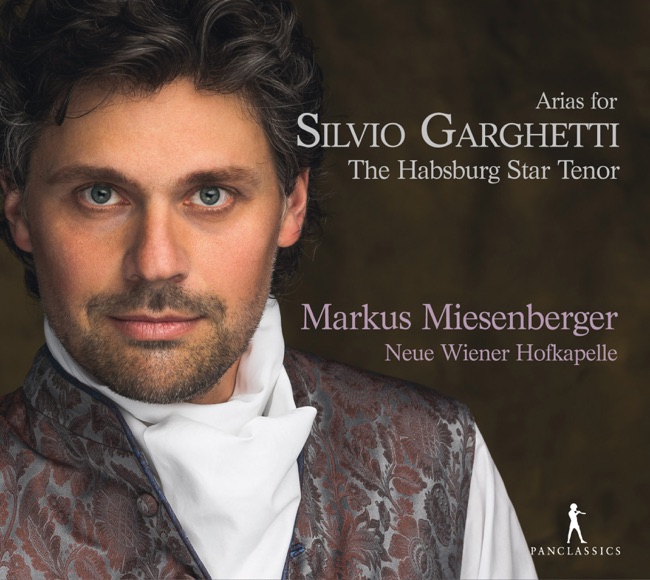
Artist Info
Role:ComposerCountry: GermanyBirth:July 26, 1678Death:April 17, 1711Period:BaroqueGenre:ChamberVocalJoseph I, Holy Roman Emperor, was born on July 26, 1678, in Vienna, Austria. He was the eldest son of Emperor Leopold I and his third wife, Eleonore Magdalene of Neuburg. Joseph was raised in a musical family, and his father was a patron of the arts, which helped to foster his love for music. Joseph received a comprehensive education, which included music lessons from some of the most prominent composers of the time. He studied under Johann Fux, a renowned composer and music theorist, and Antonio Caldara, a prolific composer of operas and sacred music. Joseph's musical education was further enhanced by his exposure to the works of Johann Sebastian Bach, George Frideric Handel, and other great composers of the Baroque era. Joseph's musical talents were evident from an early age, and he began composing music while still a teenager. His first compositions were simple pieces for the keyboard, but he quickly progressed to more complex works, including operas, oratorios, and symphonies. Joseph's compositions were heavily influenced by the music of his time, which was characterized by elaborate melodies, intricate harmonies, and ornate ornamentation. Joseph's most significant contribution to music was his patronage of the arts. As Holy Roman Emperor, he had the resources and influence to support the work of composers, musicians, and other artists. Joseph was a generous patron, and he provided financial support to many of the leading composers of his time, including Johann Sebastian Bach, George Frideric Handel, and Antonio Vivaldi. One of Joseph's most significant contributions to music was his support of the opera. He was a great lover of the art form and commissioned many operas during his reign. Joseph's support of the opera helped to establish Vienna as one of the leading centers of opera in Europe. Some of the most famous operas commissioned by Joseph include "Il Tigrane" by Antonio Caldara, "La Clemenza di Tito" by Antonio Vivaldi, and "La Fida Ninfa" by Antonio Vivaldi. Joseph was also a prolific composer in his own right. He composed many works, including operas, oratorios, and symphonies. Some of his most famous compositions include "La Contesa dei Numi," "La Betulia Liberata," and "La Gloria di Primavera." Joseph's compositions were characterized by their grandeur and complexity, and they were heavily influenced by the music of his time. Joseph's reign as Holy Roman Emperor was marked by many significant events, both political and cultural. He was a strong and capable leader, and he worked tirelessly to promote the arts and sciences. Joseph's patronage of the arts helped to establish Vienna as one of the leading cultural centers of Europe, and his contributions to music continue to be celebrated to this day. In conclusion, Joseph I, Holy Roman Emperor, was a significant figure in the history of classical music. He was a talented composer in his own right, but his greatest contribution to music was his patronage of the arts. Joseph's support of the opera and his financial support of many of the leading composers of his time helped to establish Vienna as one of the leading centers of music in Europe. Joseph's legacy continues to be celebrated to this day, and his contributions to music will always be remembered.More....
Recent Artist Music
3
1:24
4
1:24
Copyright Ⓒ 2013 Davinci Finger. All rights reseved
Service Terms & Policy