


Ilse Weber
Released Album
Vocal
-
 October 28, 2022
 -
 May 1, 2020
 -
 March 8, 2020
 -
 June 14, 2016
 -
 March 10, 2015
 -
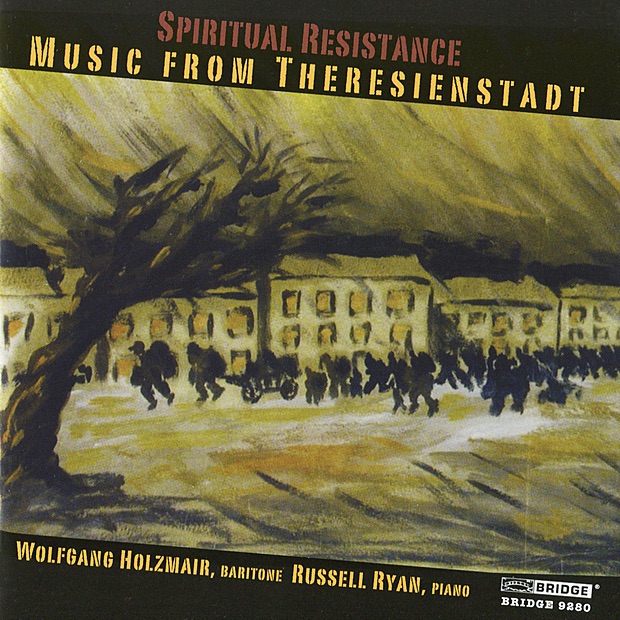 June 9, 2009
Artist Info
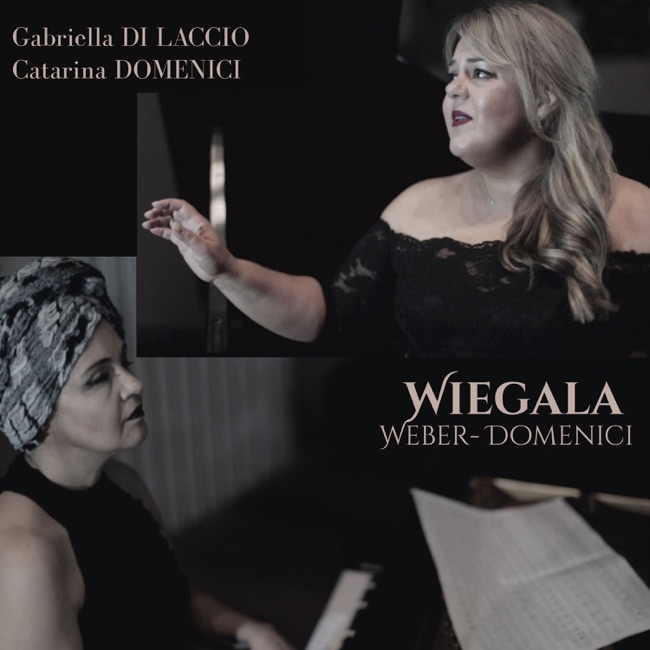
Role:ComposerIlse Weber was a Czechoslovakian composer and poet who was born on January 11, 1903, in Witkowitz, Moravia, which is now part of the Czech Republic. She was the daughter of a Jewish family and grew up in a musical household. Her father was a cantor and her mother was a pianist, and they encouraged her to pursue music from a young age. Weber began her musical education at the Brno Conservatory, where she studied piano and composition. She later continued her studies in Vienna, where she studied with the renowned composer Franz Schreker. During this time, she also began writing poetry and became involved in the literary scene in Vienna. In 1930, Weber married Willi Weber, a Jewish physician, and they had two children together. The family lived in Prague, where Weber worked as a music teacher and continued to compose and write poetry. She also became involved in the Jewish community in Prague and wrote songs for Jewish children's choirs. In 1942, Weber and her family were deported to the Theresienstadt concentration camp. Despite the horrific conditions, Weber continued to write music and poetry, often performing her works for fellow prisoners. She also worked as a nurse in the camp's infirmary, where she cared for sick and dying children. Weber's most famous work from this period is the children's opera "The Butterfly," which she wrote in 1943. The opera tells the story of a young girl who befriends a butterfly in the concentration camp and is a powerful testament to the resilience of the human spirit in the face of unimaginable suffering. Sadly, Weber and her son were later transported to Auschwitz, where they were murdered in the gas chambers in 1944. Her husband, who had been sent to a different camp, survived the war and later published Weber's poetry and music. Despite her tragic fate, Weber's music and poetry have continued to be celebrated and performed around the world. Her works are known for their emotional depth and beauty, and they serve as a powerful reminder of the human cost of war and persecution. Some of Weber's most famous works include "Ich wandre durch Theresienstadt" ("I Wander Through Theresienstadt"), a hauntingly beautiful song that she wrote while in the concentration camp. The song speaks to the pain and suffering of those who were imprisoned there, and it has become an anthem of sorts for those who survived the Holocaust. Another notable work is "Wiegala," a lullaby that Weber wrote for her son. The song is a poignant reminder of the love and tenderness that Weber was able to express even in the darkest of circumstances. Weber's music has been performed by many notable musicians and ensembles, including the Prague Symphony Orchestra and the Jerusalem Symphony Orchestra. Her poetry has also been translated into multiple languages and has been published in several collections. In recent years, there has been renewed interest in Weber's life and work, with several films and documentaries being made about her. Her legacy serves as a powerful reminder of the importance of art and music in times of great hardship, and her courage and resilience continue to inspire people around the world.More....
Recent Artist Music



Copyright Ⓒ 2013 Davinci Finger. All rights reseved
Service Terms & Policy