


Georges Migot
Released Album
Chamber
-
 November 6, 2020
 -
 July 21, 2014
 -
 May 6, 2013
 -
 February 28, 2012
 -
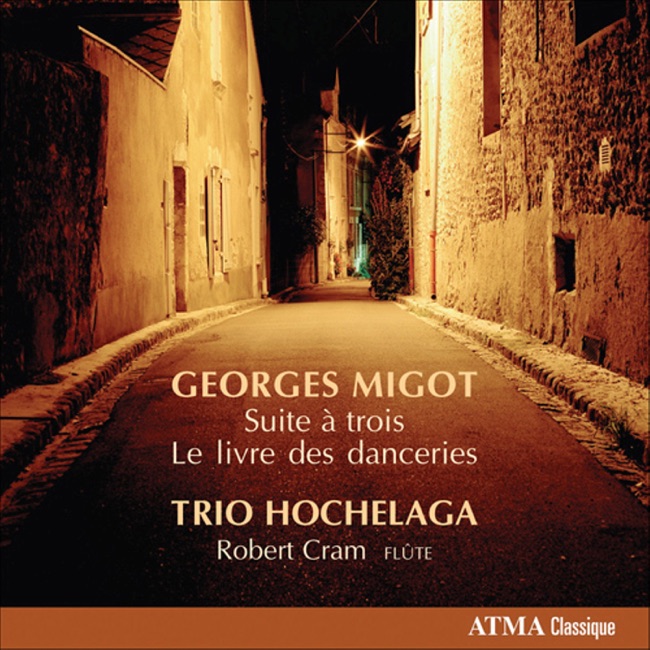 January 26, 2010
 -
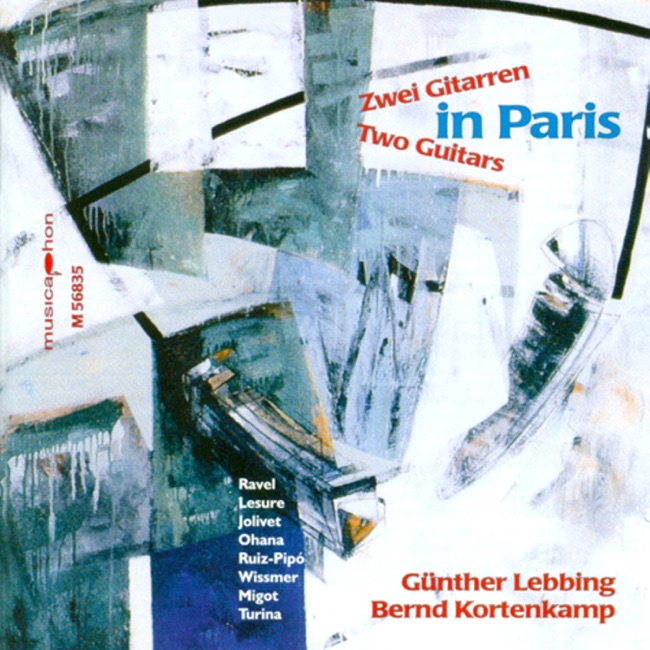 January 23, 2001
Keyboard
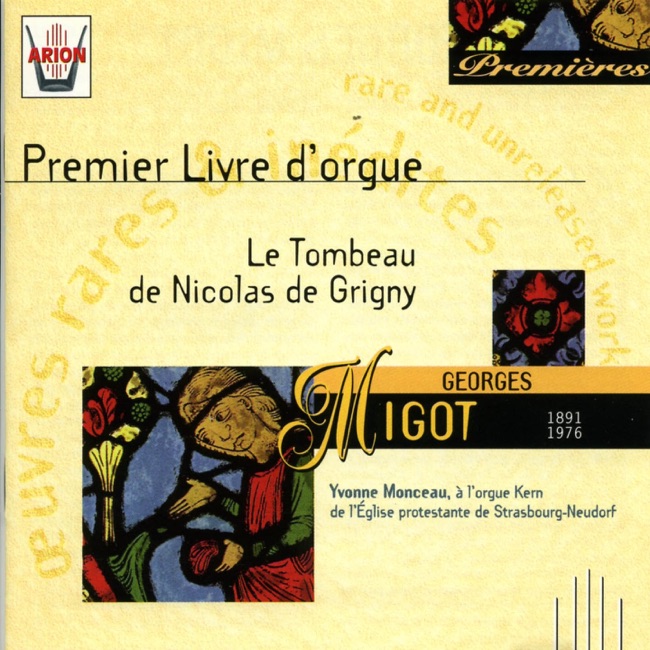
Choral
-
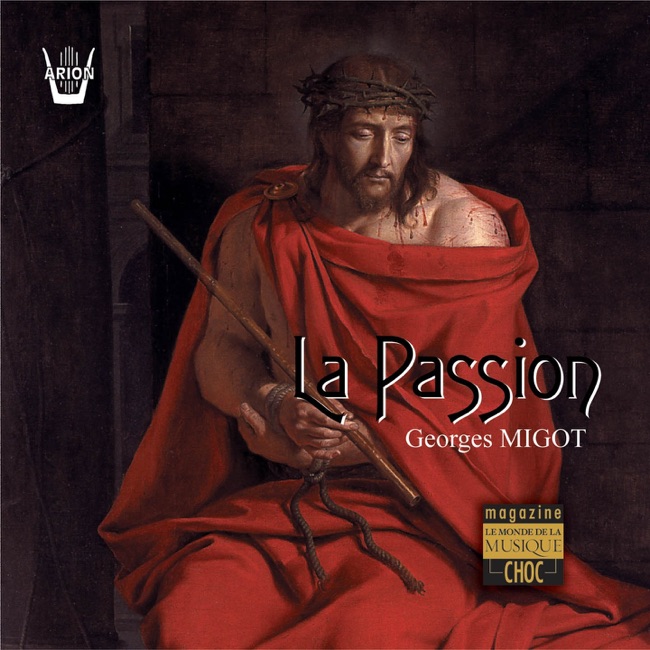 October 27, 2002
Artist Info
Role:ComposerCountry: FranceBirth:February 27, 1891 in Paris, FranceDeath:January 5, 1976 in Levallois, near ParisPeriod:ModernGenre:ChamberChoralKeyboardGeorges Migot was a French composer, pianist, and musicologist who was born on April 4, 1891, in Paris, France. He was the son of a painter and a pianist, and his family was deeply involved in the arts. Migot began his musical studies at a young age, and he showed great promise as a pianist and composer. Migot studied at the Paris Conservatory, where he was a student of Charles-Marie Widor and Paul Dukas. He won several prizes for his compositions, including the Prix de Rome in 1920. Migot's early works were heavily influenced by the Impressionist style of Debussy and Ravel, but he later developed his own unique style that blended elements of modernism and traditionalism. Migot's music is characterized by its lyrical melodies, rich harmonies, and complex rhythms. He was particularly interested in the music of non-Western cultures, and he incorporated elements of African, Asian, and Middle Eastern music into his compositions. Migot was also a prolific writer and musicologist, and he wrote extensively on the history and theory of music. One of Migot's most famous works is his opera "Les Sept Péchés Capitaux," which was first performed in 1935. The opera is based on the seven deadly sins and features a libretto by the French poet Paul Valéry. The music is highly expressive and dramatic, with lush orchestration and soaring vocal lines. Migot also wrote several symphonies, including his Symphony No. 1, which was premiered in 1929. The symphony is a complex and ambitious work that showcases Migot's mastery of orchestration and his ability to blend different musical styles. The work is divided into four movements, each of which explores a different mood and musical theme. In addition to his orchestral works, Migot also wrote numerous chamber music pieces, including his String Quartet No. 1, which was premiered in 1924. The quartet is a highly expressive work that showcases Migot's skill at writing for string instruments. The music is full of rich harmonies and intricate counterpoint, and it is a testament to Migot's ability to create complex and engaging music. Migot's music was highly regarded by his contemporaries, and he was considered one of the leading composers of his time. He was a member of the prestigious Académie des Beaux-Arts and was awarded the Legion of Honor in 1957. Despite his success, Migot remained humble and dedicated to his craft, and he continued to compose and write until his death in 1976. In conclusion, Georges Migot was a highly talented and influential composer who made significant contributions to the world of classical music. His music was characterized by its lyrical melodies, rich harmonies, and complex rhythms, and he was particularly interested in the music of non-Western cultures. Migot's works, including his opera "Les Sept Péchés Capitaux," his Symphony No. 1, and his String Quartet No. 1, continue to be performed and admired by musicians and audiences around the world.More....
Recent Artist Music


Copyright Ⓒ 2013 Davinci Finger. All rights reseved
Service Terms & Policy