


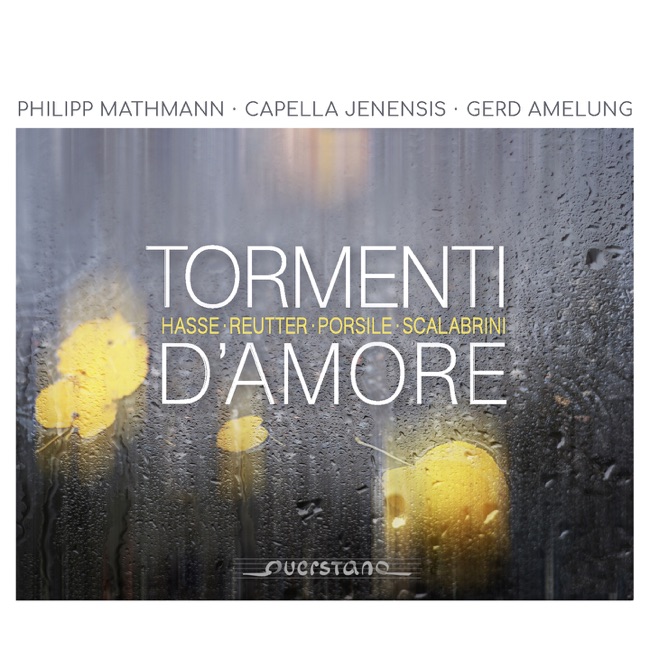
Giuseppe Porsile
Released Album
Vocal
-
 October 28, 2022
 -
Artist Info
Role:ComposerCountry: ItalyBirth:May 5, 1680Death:May 29, 1750Period:BaroqueGiuseppe Porsile was an Italian composer of the Baroque era, born on March 17, 1680, in Naples, Italy. He was the son of a musician, and his father, Francesco Porsile, was a composer and a member of the Royal Chapel in Naples. Giuseppe Porsile grew up in a musical family and received his early musical education from his father. Porsile's talent for music was evident from a young age, and he quickly became a skilled musician. He studied music theory, composition, and singing, and he also learned to play several instruments, including the violin, harpsichord, and organ. Porsile's father recognized his son's talent and encouraged him to pursue a career in music. In 1701, Porsile was appointed as the maestro di cappella at the Royal Chapel in Naples, where his father was also a member. He held this position for several years and composed many works for the chapel, including sacred music, operas, and cantatas. Porsile's music was well-received, and he quickly gained a reputation as a talented composer. In 1708, Porsile moved to Venice, where he worked as a composer and conductor for the Teatro San Giovanni Grisostomo. He composed several operas for the theater, including "La Rosaura," which was a great success. Porsile's operas were known for their beautiful melodies, expressive harmonies, and dramatic flair. In 1711, Porsile moved to London, where he worked as a composer and conductor for the King's Theatre. He composed several operas for the theater, including "Arianna e Teseo," which was a great success. Porsile's music was well-received in London, and he quickly gained a reputation as a talented composer. In 1715, Porsile returned to Naples, where he continued to compose music for the Royal Chapel. He also composed several operas for the Teatro San Bartolomeo, including "La Flora," which was a great success. Porsile's music was known for its beautiful melodies, expressive harmonies, and dramatic flair. In 1720, Porsile was appointed as the maestro di cappella at the Royal Chapel in Madrid, Spain. He held this position for several years and composed many works for the chapel, including sacred music, operas, and cantatas. Porsile's music was well-received in Madrid, and he quickly gained a reputation as a talented composer. In 1730, Porsile returned to Naples, where he continued to compose music for the Royal Chapel. He also composed several operas for the Teatro San Carlo, including "La Nitteti," which was a great success. Porsile's music was known for its beautiful melodies, expressive harmonies, and dramatic flair. Porsile died on November 2, 1750, in Naples, Italy. He was a prolific composer who wrote over 50 operas, as well as numerous sacred works and cantatas. His music was known for its beautiful melodies, expressive harmonies, and dramatic flair, and he was considered one of the leading composers of his time. Some of Porsile's most famous works include "La Rosaura," "Arianna e Teseo," "La Flora," and "La Nitteti." These operas were known for their beautiful melodies, expressive harmonies, and dramatic flair, and they were popular with audiences throughout Europe. Porsile's sacred music was also highly regarded, and he composed many works for the Royal Chapel in Naples and Madrid. His sacred music was known for its beautiful melodies, expressive harmonies, and spiritual depth, and it was often performed in churches throughout Europe.More....
Recent Artist Music
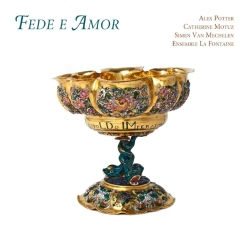
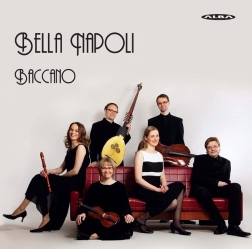
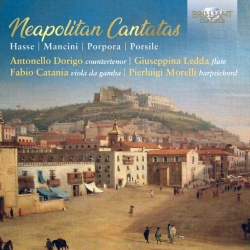
6
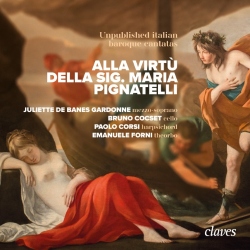
7:53
Copyright Ⓒ 2013 Davinci Finger. All rights reseved
Service Terms & Policy