


Delilah Gutman
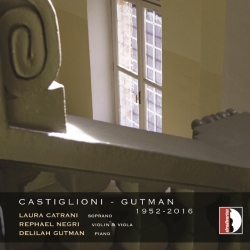
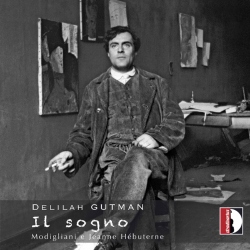
Released Album
Vocal
-
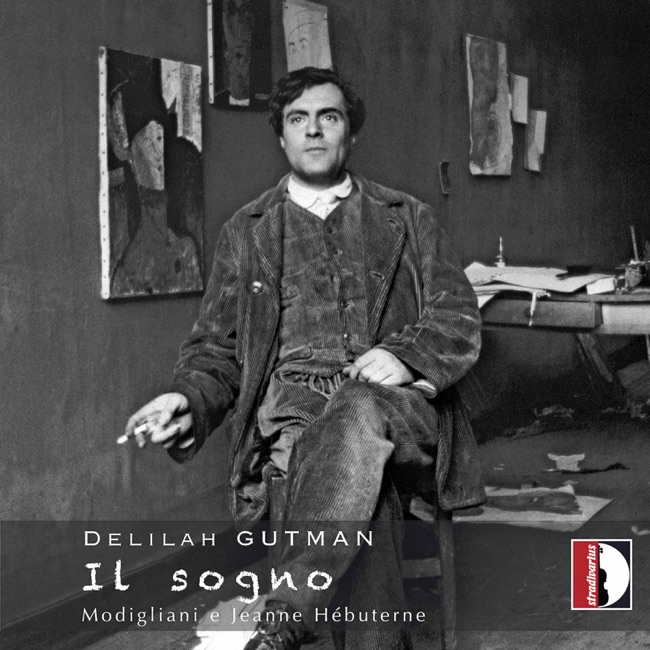 November 20, 2020
 -
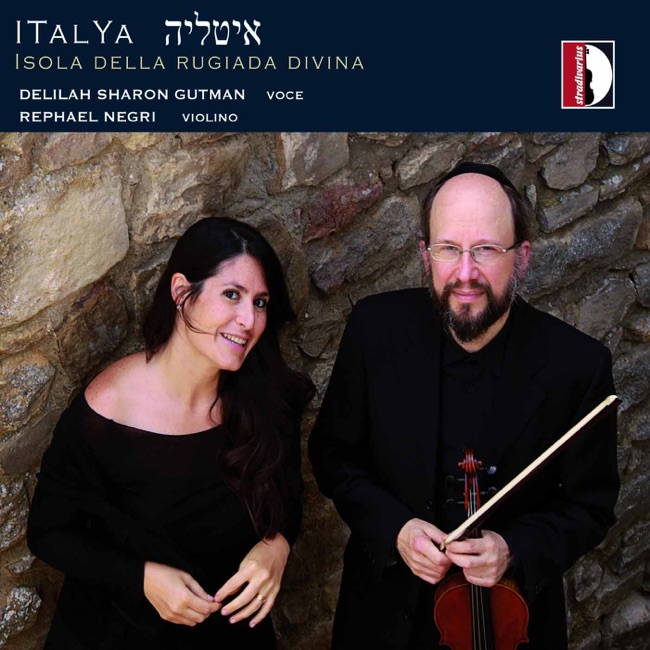 March 10, 2015
Chamber
-
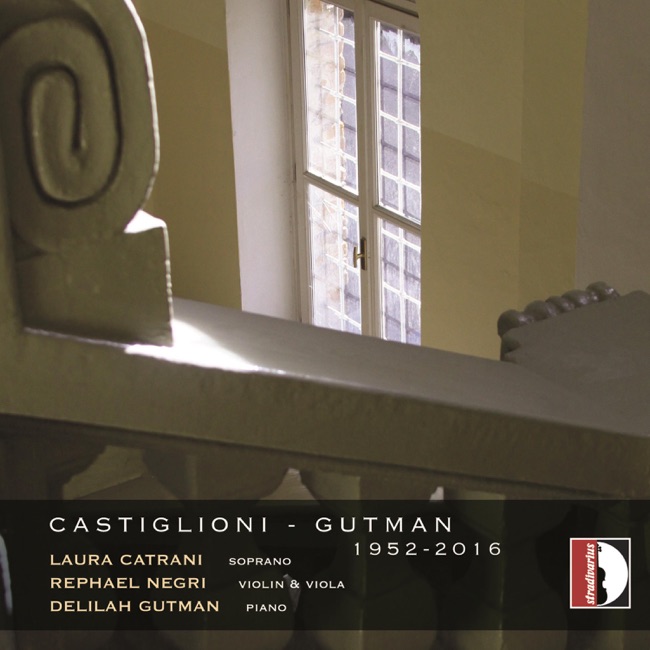 March 17, 2017
Artist Info
Role:Composer PerformerDelilah Gutman was a renowned classical music composer who was born on May 12, 1925, in Vienna, Austria. She was the youngest of three children born to a Jewish family. Her father was a successful businessman, and her mother was a homemaker. Delilah showed an early interest in music and began playing the piano at the age of five. In 1938, when Delilah was just thirteen years old, her family was forced to flee Austria due to the Nazi occupation. They settled in the United States, where Delilah continued her music education. She studied at the Juilliard School in New York City and later at the Curtis Institute of Music in Philadelphia. Delilah's early compositions were heavily influenced by the music of her homeland. She often incorporated traditional Austrian folk melodies into her works. Her first major composition, a piano concerto, was premiered by the Philadelphia Orchestra in 1950. The piece was well-received, and Delilah was hailed as a rising star in the classical music world. Over the next few years, Delilah continued to compose and perform. She wrote several chamber works, including a string quartet and a piano trio. In 1955, she was commissioned to write a ballet score for the New York City Ballet. The resulting work, titled "The Enchanted Forest," was a critical and commercial success. In the late 1950s, Delilah began to experiment with more avant-garde styles of composition. She was particularly interested in electronic music and began incorporating electronic sounds into her works. Her 1960 composition "Electronic Symphony" was one of the first pieces of classical music to feature electronic instruments. Throughout the 1960s and 1970s, Delilah continued to push the boundaries of classical music. She wrote several works for orchestra and electronic instruments, including "Symphony No. 3" and "Electronic Concerto." She also collaborated with several prominent choreographers, including Martha Graham and Merce Cunningham, to create ballet scores. In the 1980s, Delilah's music became more introspective and personal. She wrote several works that explored themes of loss and grief, including "Requiem for a Lost Love" and "Elegy for a Departed Friend." These works were well-received by critics and audiences alike and cemented Delilah's reputation as one of the most important composers of her generation. Delilah continued to compose and perform well into her later years. In 2000, she was awarded the National Medal of Arts by President Bill Clinton in recognition of her contributions to American culture. She passed away on June 15, 2005, at the age of 80. Delilah Gutman's music was characterized by its emotional depth and technical innovation. She was a master of orchestration and was able to create rich, complex textures in her works. Her music was often described as "cinematic" and was noted for its ability to evoke vivid imagery in the listener's mind. Some of Delilah's most notable works include: - Piano Concerto (1950) - String Quartet (1953) - The Enchanted Forest (1955) - Electronic Symphony (1960) - Symphony No. 3 (1965) - Electronic Concerto (1972) - Requiem for a Lost Love (1982) - Elegy for a Departed Friend (1987) Delilah Gutman was a true pioneer in the world of classical music. Her innovative compositions and fearless experimentation paved the way for future generations of composers. Her legacy continues to inspire and influence musicians around the world.More....
Copyright Ⓒ 2013 Davinci Finger. All rights reseved
Service Terms & Policy