


Bjarni Þorsteinsson
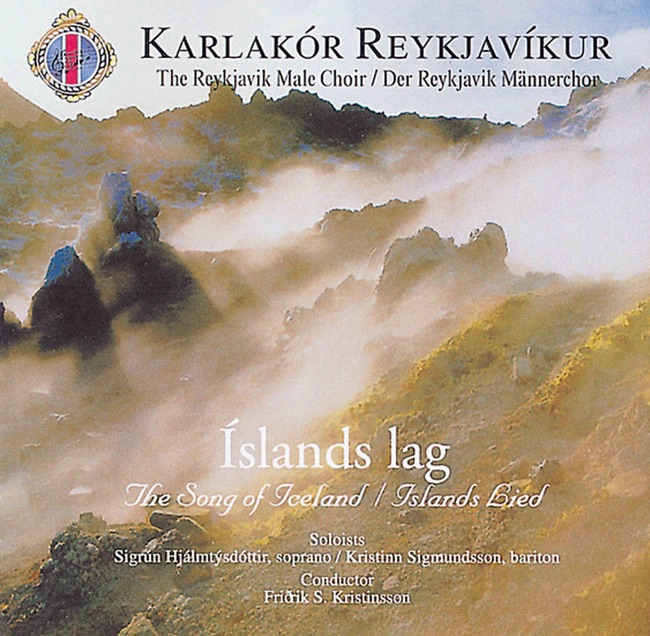
Released Album
Vocal
-
 April 13, 2010
 -
Artist Info
Role:ComposerBirth:1861Death:1938Genre:VocalBjarni Þorsteinsson was a renowned Icelandic composer of classical music. He was born on September 22, 1918, in Reykjavik, Iceland. His parents were both musicians, and they encouraged him to pursue music from a young age. Bjarni began playing the piano at the age of six and showed a natural talent for music. Bjarni's parents recognized his talent and enrolled him in the Reykjavik Music School when he was eight years old. He studied piano, violin, and music theory at the school and quickly became one of its most promising students. Bjarni's parents also exposed him to a wide range of classical music, which helped him develop a deep appreciation for the genre. In 1936, Bjarni moved to Copenhagen, Denmark, to study music at the Royal Danish Academy of Music. He studied composition under the renowned Danish composer Knud Jeppesen and piano under the celebrated pianist Victor Schiøler. Bjarni's time in Denmark was a formative period in his musical development, and he was exposed to a wide range of musical styles and techniques. After completing his studies in Denmark, Bjarni returned to Iceland and began working as a composer and pianist. He quickly established himself as one of Iceland's leading musicians, and his compositions were well-received by audiences and critics alike. Bjarni's music was characterized by its lyrical melodies, rich harmonies, and evocative use of Icelandic folk music. One of Bjarni's most significant works is his Symphony No. 1, which he composed in 1944. The symphony is a powerful and emotional work that reflects the turbulent times in which it was written. Iceland had recently gained independence from Denmark, and the country was still recovering from the effects of World War II. Bjarni's symphony captures the sense of hope and optimism that characterized Iceland's newfound independence, as well as the struggles and challenges that lay ahead. Another notable work by Bjarni is his Piano Concerto, which he composed in 1952. The concerto is a virtuosic showcase for the soloist, with intricate and challenging piano passages that demand a high level of technical skill. The concerto also features lush orchestration and a strong sense of Icelandic folk music, making it a quintessentially Icelandic work. Bjarni's music was not limited to the concert hall, however. He also composed music for film, television, and theater. One of his most famous works in this vein is his score for the 1954 film "The White Viking." The film tells the story of an Icelandic chieftain who travels to Norway to avenge his father's death, and Bjarni's score captures the epic sweep and emotional intensity of the story. Throughout his career, Bjarni remained committed to promoting Icelandic music and culture. He was a founding member of the Icelandic Composers' Society and served as its president from 1964 to 1970. He also taught composition at the Reykjavik College of Music and was a mentor to many young Icelandic composers. Bjarni Þorsteinsson passed away on December 12, 1975, at the age of 57. His legacy as one of Iceland's greatest composers lives on, however, and his music continues to be performed and celebrated around the world. Bjarni's contributions to Icelandic music and culture are immeasurable, and his influence can still be felt in the work of contemporary Icelandic composers.More....
Recent Artist Music

Copyright Ⓒ 2013 Davinci Finger. All rights reseved
Service Terms & Policy